
 Phone: +43 677 628 66 628 |


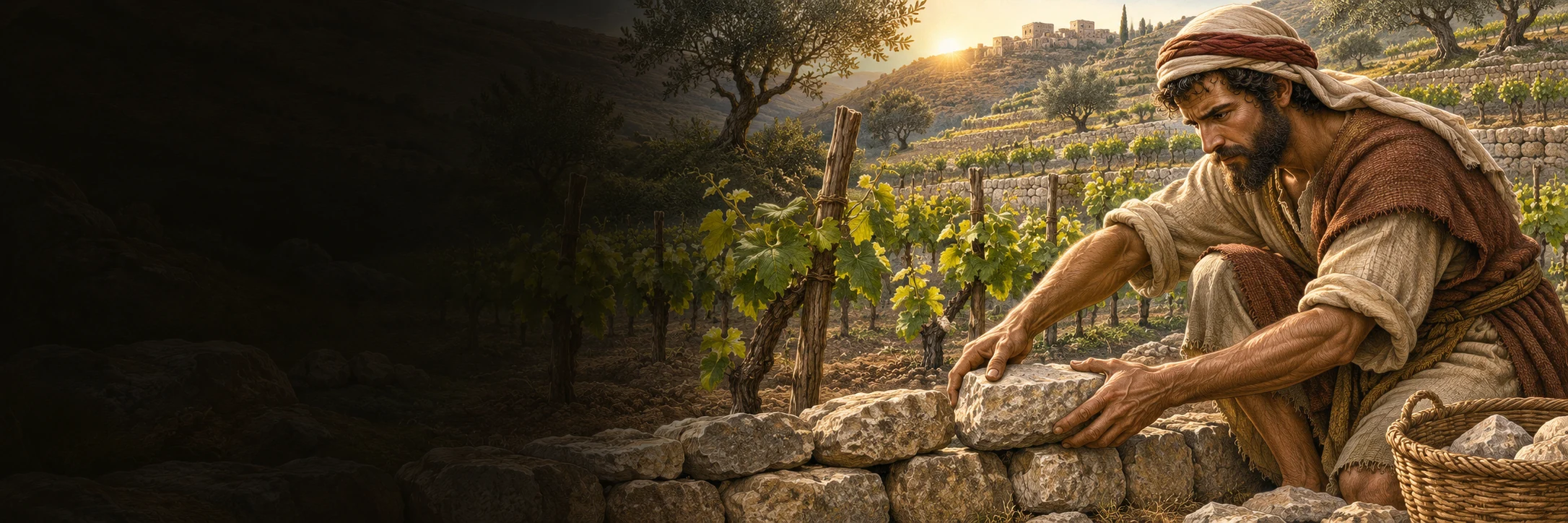
Book of Isaiah
He fenced it in, protected it with heaps of stones and planted choice vines in it. He also built a tower in it and dug a winepress there, and waited for it to bear grapes, but it bore wild grapes.
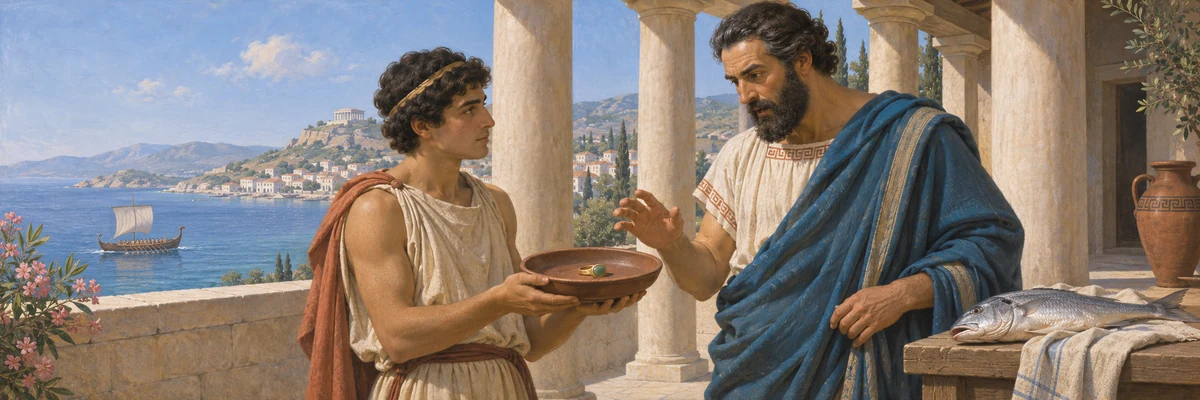
A free retelling after Herodotus, about a precious ring and the deceptive good fortune of its owner.
In the sixth century BC, Polycrates (died around 522 BC), ruler of the Greek island of Samos, was one of the most powerful men in the Aegean. He shared a bond of guest-friendship with Amasis, who ruled Egypt from 570 to 526 BC.[7][8]
Wherever Polycrates sent his ships, good fortune seemed to be waiting for him. Islands fell into his hands, cities on the mainland had to yield to him, and soon his name was known far beyond Samos. Herodotus tells of a ruler whose successes followed one another so relentlessly that a friend began to see danger in them.
That friend was Amasis, king of Egypt. He watched with growing concern as Polycrates grew more powerful. At last he sent a letter to Samos. “Your great good fortune does not please me,” he wrote. Amasis feared the envy of the gods. He had never heard, he explained, of anyone who had prospered in everything without coming to ruin in the end.
His advice was unusual. Polycrates was to look among his treasures for the one whose loss would grieve him most, then cast it away for ever. Perhaps he could set a sorrow of his own choosing against this unbroken run of good fortune, before misfortune came to exact its price.[1]
Polycrates took the warning seriously. He considered what was dearest to him and chose the ring he wore. An emerald was set in gold, the work of Theodorus of Samos¹. It would pain him greatly to part with it.
He had a fifty-oared ship manned, went aboard and gave the order to row far out to sea. Only when the island was far behind them did he slip off the ring. In full view of everyone on board, he threw it into the water.
The stone sank. Polycrates returned to Samos and mourned his loss. The sacrifice had cost him dearly, just as Amasis had intended.[2]
Five or six days later a fisherman came to his house. He had caught an exceptionally large and beautiful fish and asked to present it to the ruler in person. Although he earned his living by the work of his hands, he had been unwilling to take this catch to market. Such a fish, he explained, was worthy of Polycrates and his rank.
Polycrates was delighted both with the gift and with the man’s words. He thanked him and invited him to dinner. Proud of the honour, the fisherman went home.
Meanwhile the servants set about preparing the fish. When they opened its belly, they found the ring inside.
Joyfully they carried it to their master and told him where they had found it. The sea had given back the very thing he had tried to lose for ever. Polycrates saw the hand of the gods in this. Now it was his turn to write to Amasis. He told him about the voyage, the sacrifice and the unexpected return of the stone.[2]
For the Egyptian king the news confirmed his worst fear. How could anyone save a man from his fate when even the thing he willingly threw away found its way back to him? Amasis sent a messenger to Samos to end their bond of guest-friendship. When disaster came, he did not want to have to mourn a friend.[3]
Some time later a tempting message reached Polycrates from the mainland of Asia Minor. Its sender was Oroetes, the Persian governor at Sardis. King Cyrus had appointed him to the post. Oroetes exercised Persian authority in western Asia Minor. Now he wanted to get Polycrates into his power and kill him.[9]
To that end he sent word that the Persian king Cambyses was plotting his death. If Polycrates rescued him and his treasure, he could have a share of it. The riches on offer promised to fulfil even Polycrates’ greatest ambitions. With such resources, Oroetes claimed, he could rule the whole of Greece.
Polycrates sent his secretary Maeandrius to inspect the treasure. Oroetes had prepared eight chests, filling them almost to the brim with stones and covering just the top with gold. Maeandrius saw what he took to be the promised wealth and went back to Samos to report.[4]
Now Polycrates was determined to go to Magnesia on the Maeander, where Oroetes was staying. Friends and seers warned him, and his daughter begged him to remain on Samos. She had dreamt that her father hung high in the air, washed by Zeus and anointed by the sun.
Still Polycrates sailed. In Magnesia Oroetes had him killed and his body hung on a cross.
The haunting image from the dream now came true in Herodotus’ story. The rain washed the dead man, and the sun drew moisture from his body. So ended the good fortune of the man to whom even the sea had returned his precious ring.[4]
The story tells how little security even the greatest good fortune can offer, and how no one can command their fate by making a costly sacrifice.
Herodotus calls the stone in the ring smaragdos, rendered as “emerald” in the translation used here. Pliny the Elder also tells the story, but calls the stone a sardonyx. He says that the gem shown in Rome in his day as the stone of Polycrates was unengraved, and expresses doubt about its authenticity. Herodotus speaks of a seal and names Theodorus as its maker. The two ancient accounts thus differ in some details. The story above follows Herodotus.[2][5]
The short quotation from Amasis’ letter is our own translation from the Greek.
¹ Theodorus of Samos (active in the sixth century BC) was a Greek artist. Herodotus names him as the maker of Polycrates’ ring. The people of Delphi also attributed to him a silver mixing bowl that King Croesus dedicated there. Herodotus says that he finds their attribution credible.[2][6]
 Search
He fenced it in, protected it with heaps of stones and planted choice vines in it. He also built a tower in it and dug a winepress there, and waited for it to bear grapes, but it bore wild grapes.
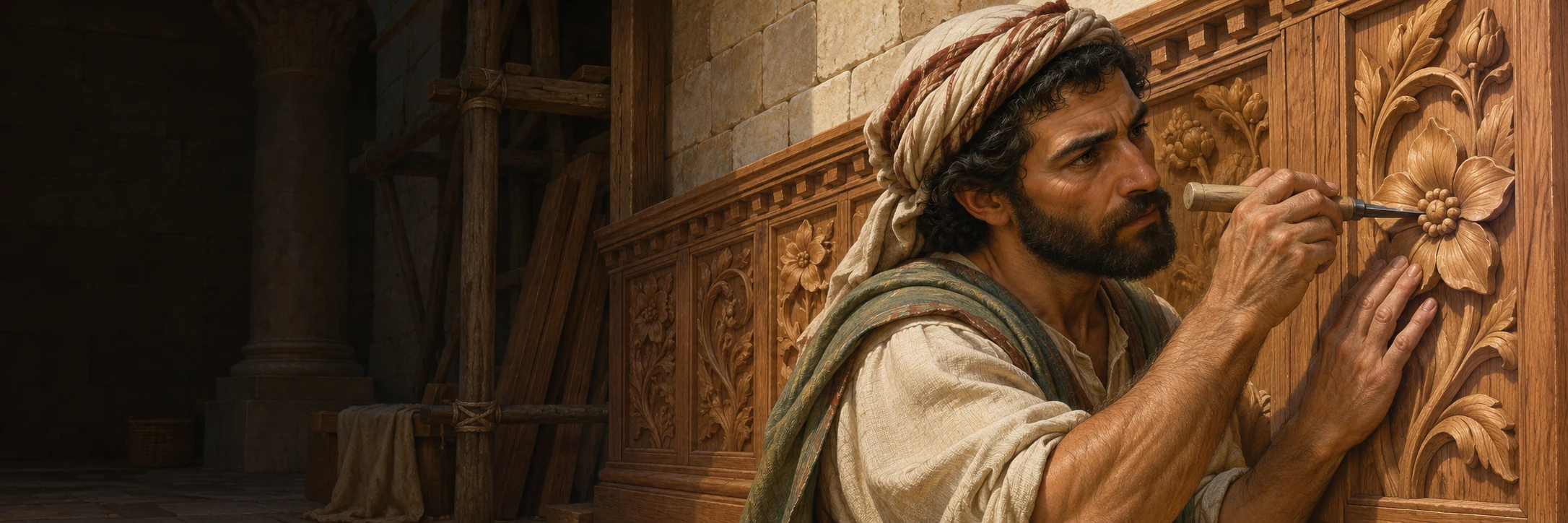
Inside, the whole house was cedar, with carved knobs and flower-work, so that no stone could be seen.

For amongst the Stones they especially are called earthy that are dark, and more heavy; and those waterish, which are transparent, and are compacted of water, as Crystall, Beryll, and Pearls in the Shels of Fishes […]
Heinrich Cornelius Agrippa von Nettesheim (1486–1535)
 De occulta philosophia · 1651 · p. 18–19
Wording of the English edition.
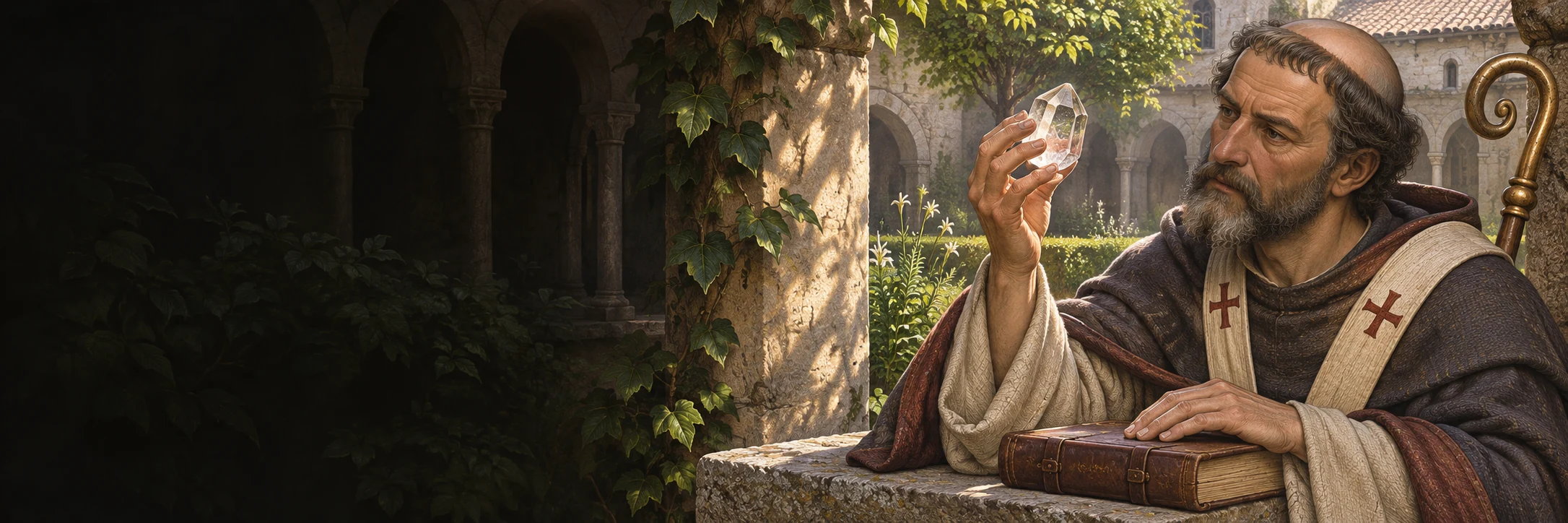
[…] that this stone, placed in the sun, takes fire and with it will kindle tinder fungus brought up close.
Marbod of Rennes (c. 1035–1123)
Liber lapidum · 1799 · p. 70–71
Our translation from the Latin edition.
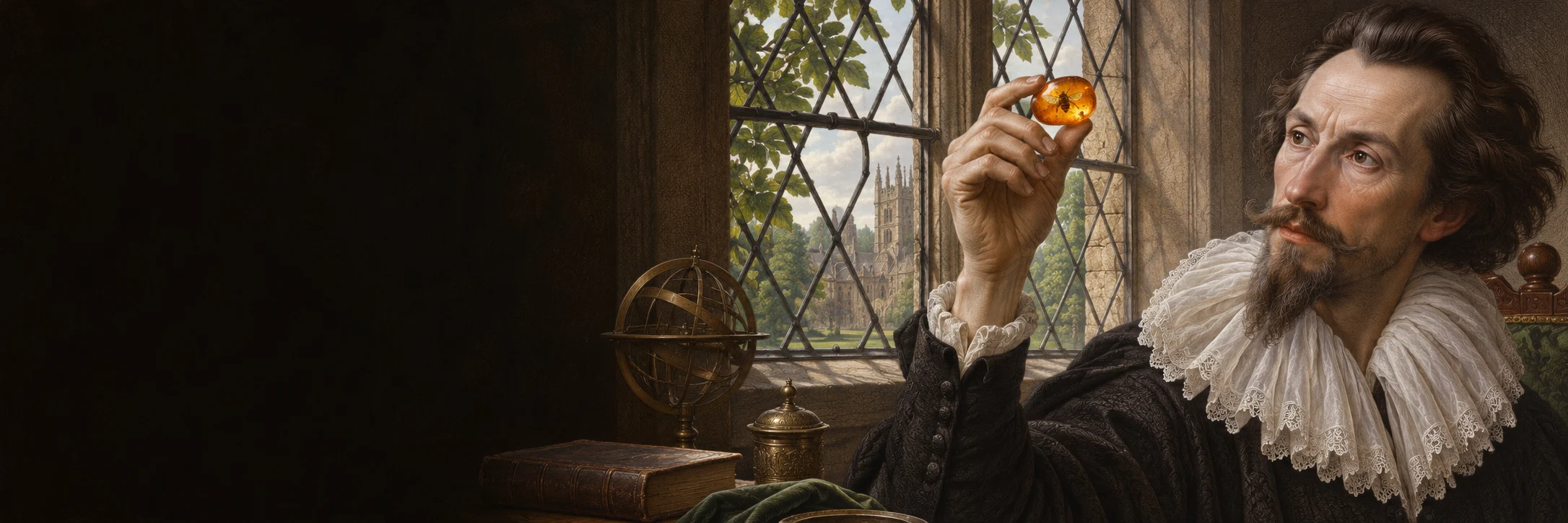
This, as an Amber drop enwraps a Bee, Covering discovers your quicke Soule […]

A soul sheath’d in a crystal shrine, Through which all her bright features shine, […]
Richard Crashaw (c. 1613–1649)
In Praise of Lessius His Rule of Health · 1857 · p. 100
Wording of the English edition.
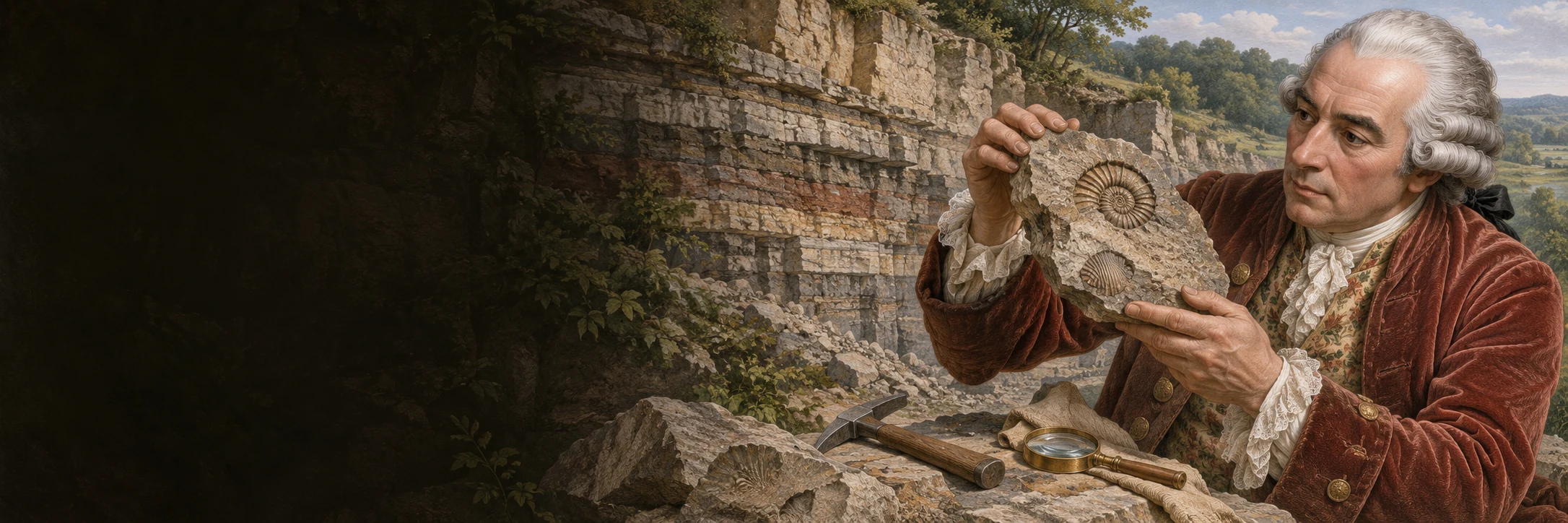
[…] in natural history one must search the archives of the world, draw ancient monuments from the bowels of the earth, collect their fragments and assemble into a body of evidence all the indications of the physical changes […]
Georges-Louis Leclerc de Buffon (1707–1788)
Les Époques de la nature · 1778 · p. 1–2
Our translation from the French edition.

[…] as from a Stone into Earth, and from Earth into Grass, and from Grass to a Sheep, and from a Sheep into Humane Flesh, and from Humane Flesh into the most servile Spirits of Man, and from these into his noblest Spirits […]
Anne Conway (1631–1679)
The Principles of the Most Ancient and Modern Philosophy · 1692 · p. 153
Wording of the English edition.
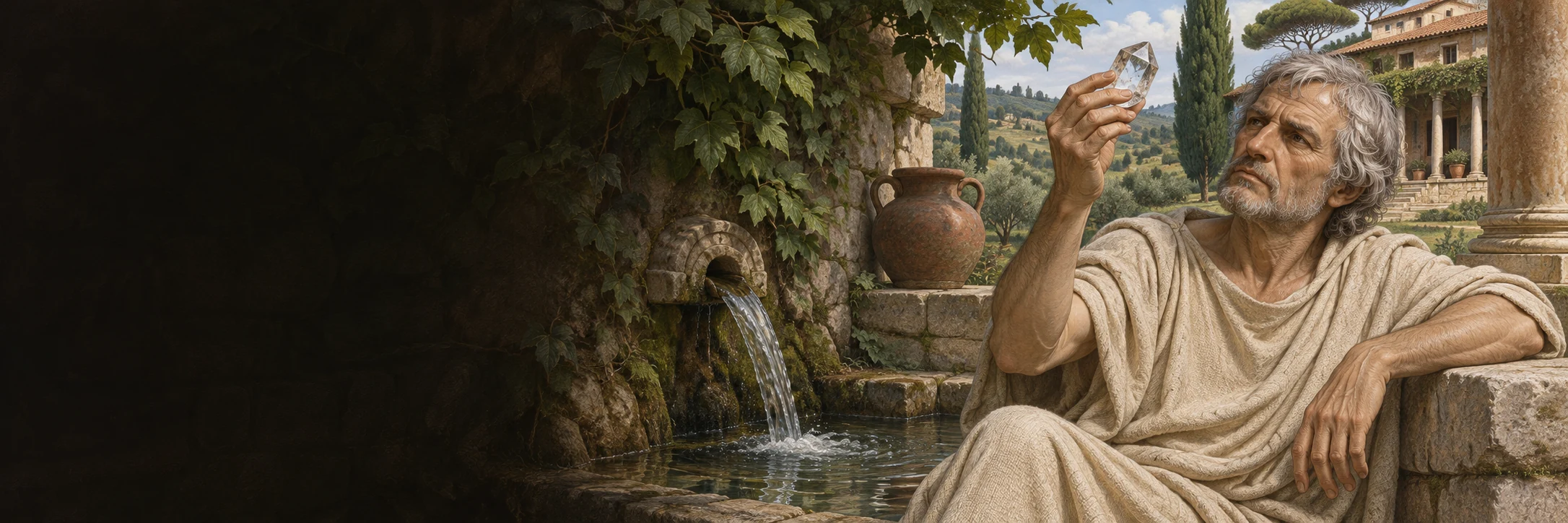
Rain water, which contains very little solid matter, once it is frozen becomes more and more condensed through the persistence of the longer cold until all the air is expelled, and it is compressed to the last degree; then what […]
Lucius Annaeus Seneca (c. 4 BCE–65 CE)
Natural Questions · 1910 · p. 140
Wording of the English edition.
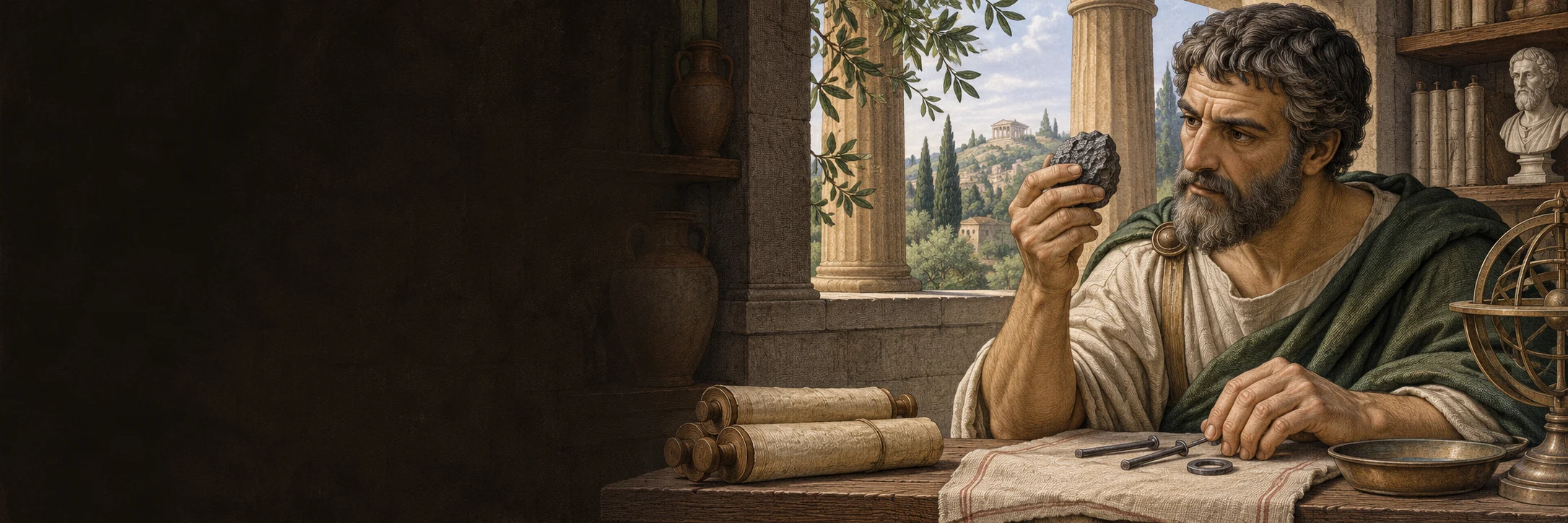
Thus are we moreover informed by Manetho, that the Load-stone is by the Egyptians called the bone of Orus, as Iron is, the bone of Typho.
Plutarch of Chaeronea (c. 45–after 119 CE)
On Isis and Osiris · 1744 · p. 85
Wording of the English edition.

How, then, did the diamond come to be: a unity pervaded throughout, enduring, a purity unclouded, rich in rays, made firm by bonds invisible to us?
Gottfried Keller (1819–1890)
Das Eidgenossen-Volk · 1846 · p. 88
Our translation from the German edition.

This stone is also like to a fiery flame, for the fiery love of the Eternal Word has filled the whole world with love and wills that all loving spirits be burned up to nothingness in love.
 Cart