A retelling of the ring legend that follows the account preserved under the name of Hyginus, followed by a comparison of the ancient texts.
Prometheus had been freed from his chains. Yet one bond remained.
For a long time, the champion of humankind had lain captive in the Caucasus. He had tricked Zeus, king of the gods, when dividing up a sacrifice. When Zeus took fire away from mortals, Prometheus carried it back to them in a fennel stalk. For this he was put in chains. An eagle devoured his liver, which grew back at night. As his body healed, it became possible for the torment to begin again.[1]
What changed his fate was a prophecy about Thetis, a sea goddess whom Zeus wished to marry. The Fates had foretold that her son would surpass his father in renown.
Prometheus overheard the prophecy and told Zeus. The king of the gods feared for his throne. What he had done to his own father might one day be done to him. He gave up his wish to marry Thetis and, in gratitude, released Prometheus from his chains.[2]
His earlier oath still held. Zeus had sworn that he would never set Prometheus entirely free of his bonds.
The answer lay in iron and stone.
Together they were still to encircle one part of his body, a finger. The last bond took the form of a ring. Prometheus could be freed from his chains, and Zeus could keep his oath.[2]
How the story was handed down
The source of the story
This retelling follows the Astronomica attributed to Hyginus, Book II, chapter 15, sections 1–4. The authorship of the ancient work remains uncertain, so no reliable dates can be given for its author. The Greek names Zeus and Heracles correspond to Jupiter and Hercules in the Latin texts.[2]
In the Astronomica the warning about Thetis, the release of Prometheus and the bond he continues to wear as a ring form a single sequence. This retelling opens with the outcome and then tells how it came about.
Where did the stone come from?
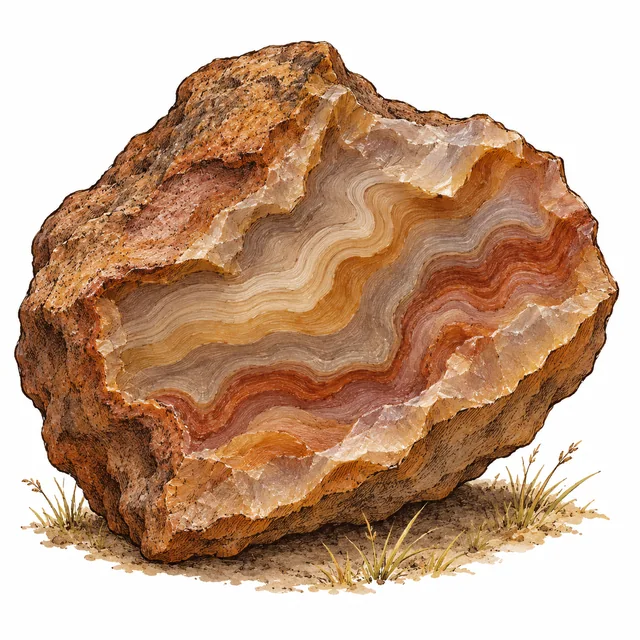
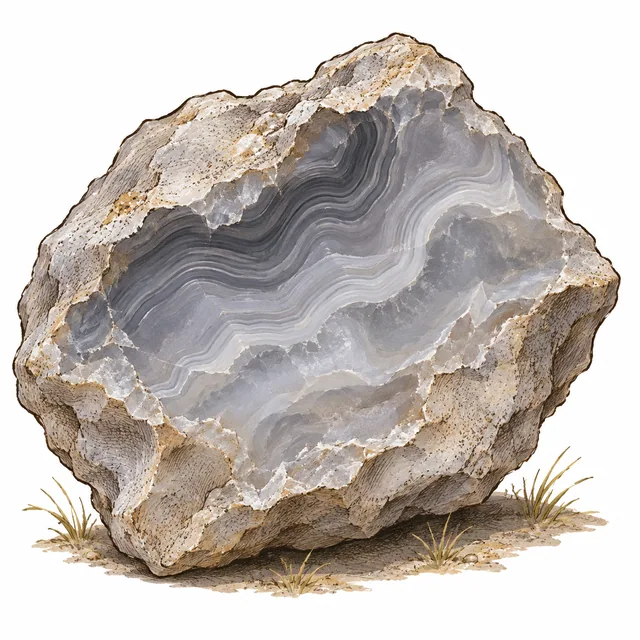
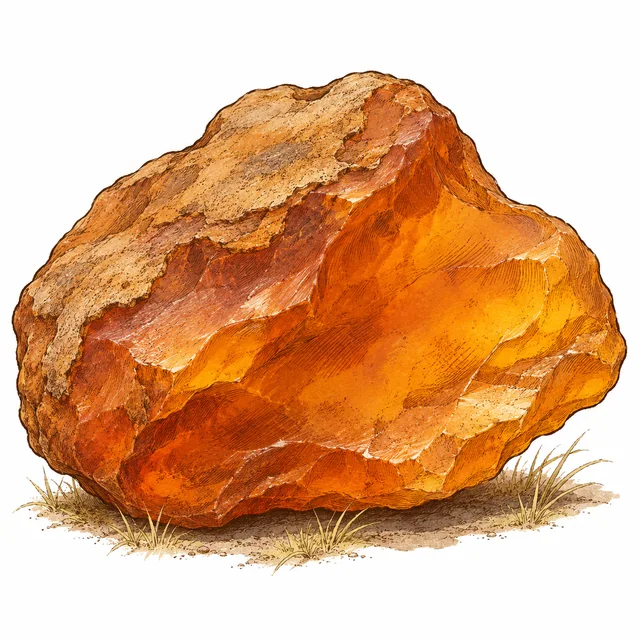
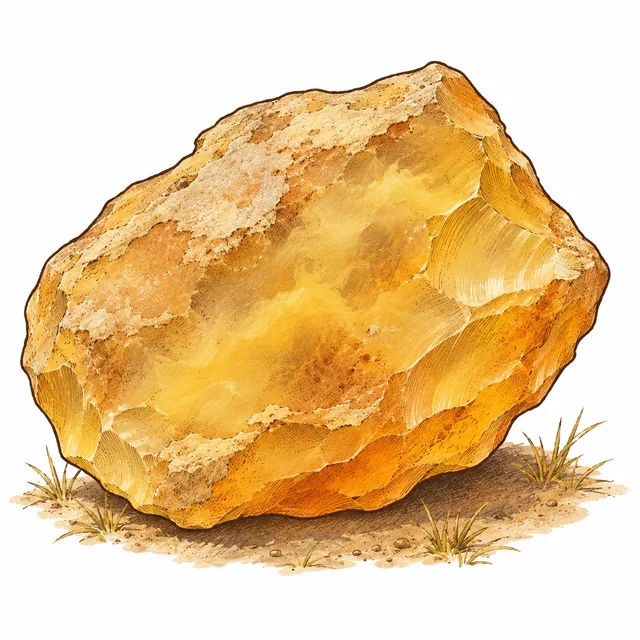
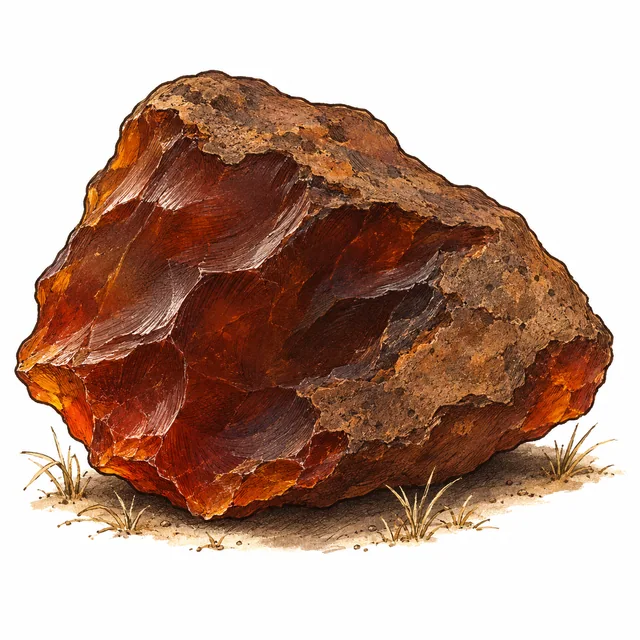
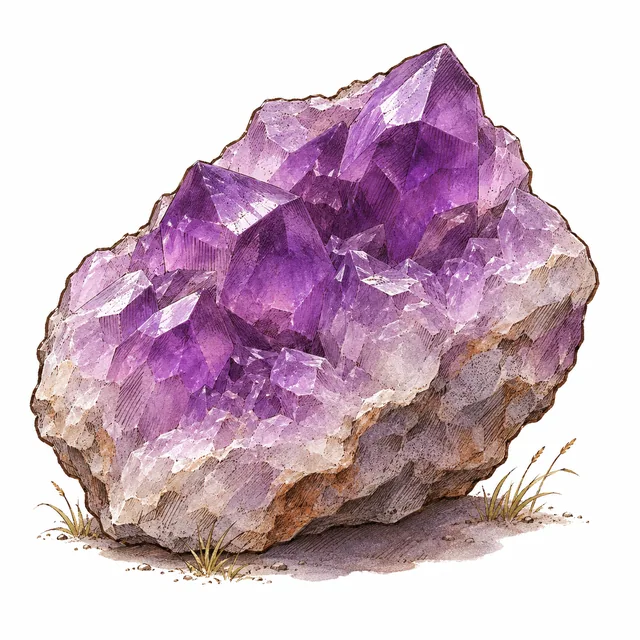
Pliny the Elder, who lived from about AD 23 to 79, gives a further detail in his Naturalis historia. The stone in the ring was said to be a fragment of the Caucasian rock. According to the story, this fragment, set in iron and worn on a finger, marked the beginning of both the ring and the gemstone.[3][4]
Pliny sums it up in these words: “This, they say, was the ring, and this the gem.” The quotation is our own translation from the Latin. It is Pliny who identifies the rock from which the stone came. In the passage about the ring, Hyginus mentions only stone and iron.[2][3]
What part does Heracles play?
The Fabulae, also attributed to Hyginus, tell the story of the release differently. In chapter 54 Prometheus expressly offers his warning about Thetis in exchange for his freedom. Once he has delivered the warning, Heracles is sent to kill the eagle. The passage about the ring in the Astronomica recounts no such bargain.[1][2]
Heracles does appear in the Astronomica. The chapter names him as the slayer of the eagle and later describes his meeting with Prometheus during his quest for the apples of the Hesperides. The retelling given here follows the passage that explains how the ring continued to bind Prometheus.[2]
The texts also differ on one physical detail. The Astronomica name the liver. The corresponding passage in the Fabulae names the heart.[1][2]
What the ring legend explains
The ancient texts offer a mythical account of how people came to wear rings. They bear witness to the meanings people attached to such an object. They cannot establish the historical origin of the ring.
Within the legend, iron and stone serve a precise purpose. They preserve the bond in a form that allows Prometheus to go free. The ring carries his captivity forward in symbolic form.
The legend offers an ancient explanation for the origin of the ring and shows how a piece of jewellery could recall a release and at the same time express a bond that endured.

 Phone: +43 677 628 66 628 |



 Search

 Meister Eckharts mystische Schriften. In unsere Sprache übertragen von Gustav Landauer · p. 126







 Cart