The Liber aggregationis, also known as the Liber secretorum, circulated under Albert the Great’s name. The designation Pseudo-Albertus distinguishes this attribution from securely established personal authorship. The Strasbourg printing used here, dating from around 1480, explicitly concerns the powers of certain herbs, stones and animals.[1]
From plants to a catalogue of stones
Sections on plants are followed by lists of stone names, helping readers move between individual entries. In the entry on the lodestone, the identification of a material accompanies extensive claims about its effects. The arrangement shows how different natural substances were treated within a common collection.[1]
Authority and historical distance
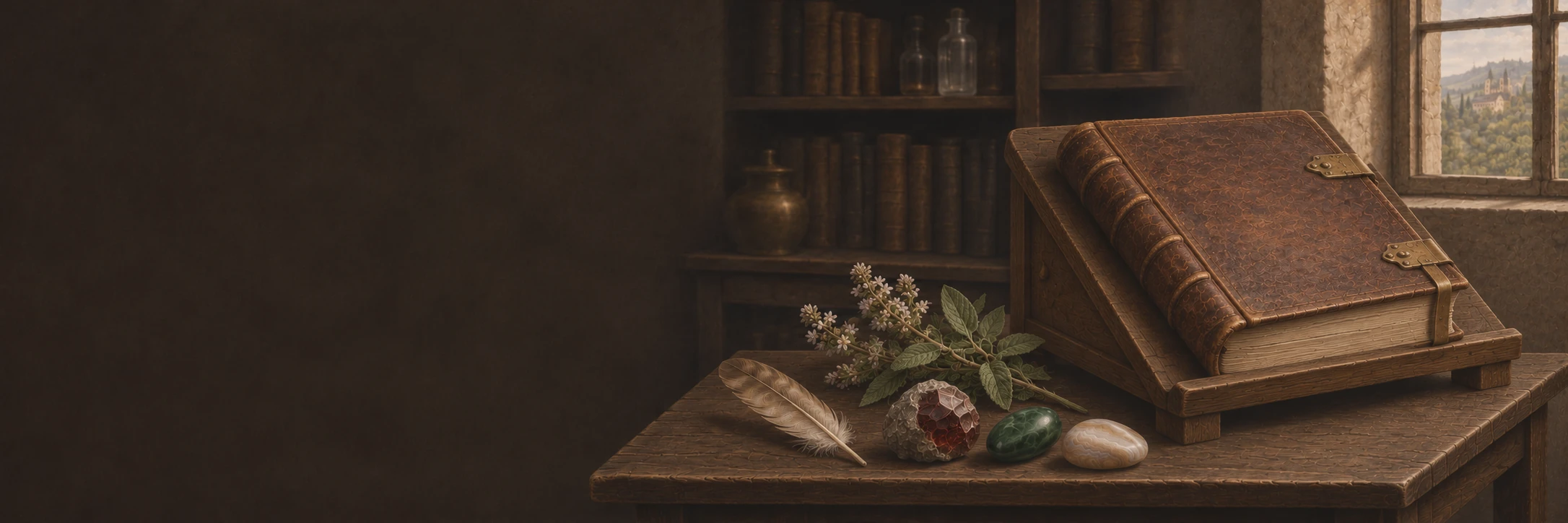
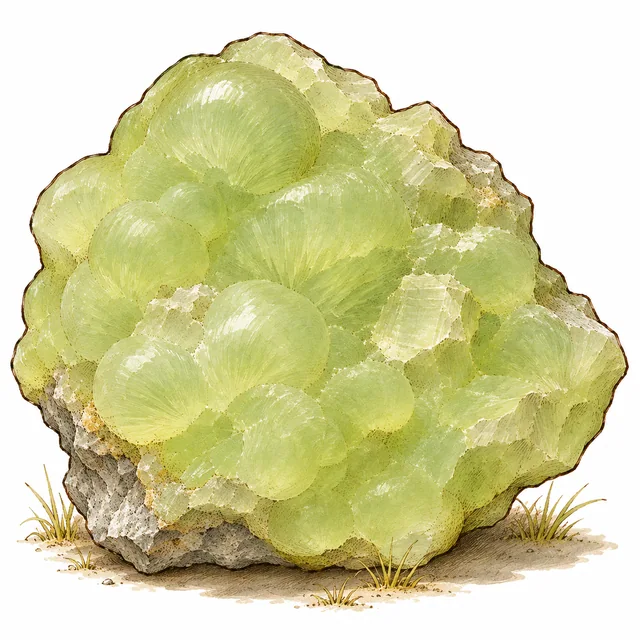
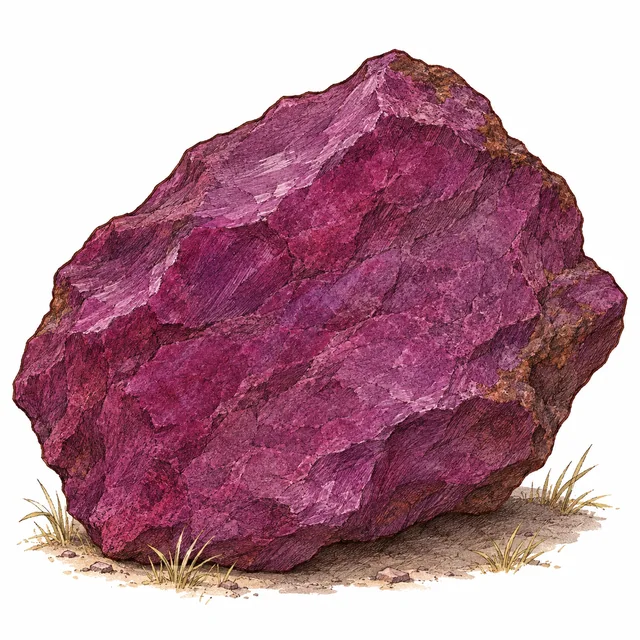
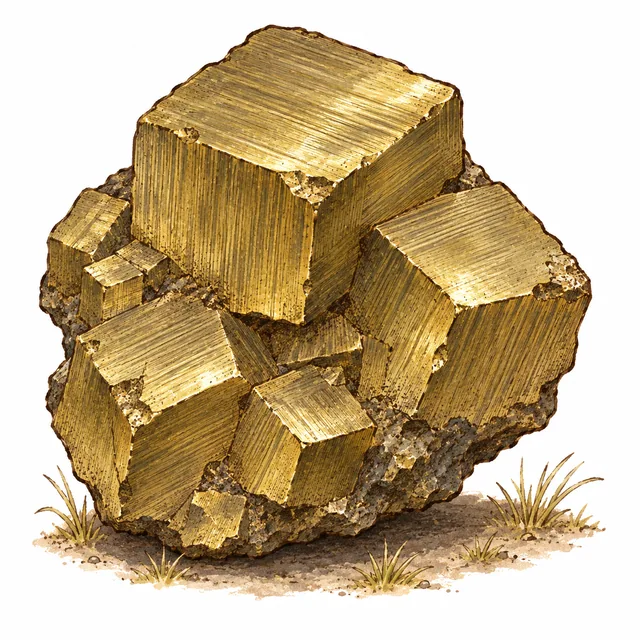
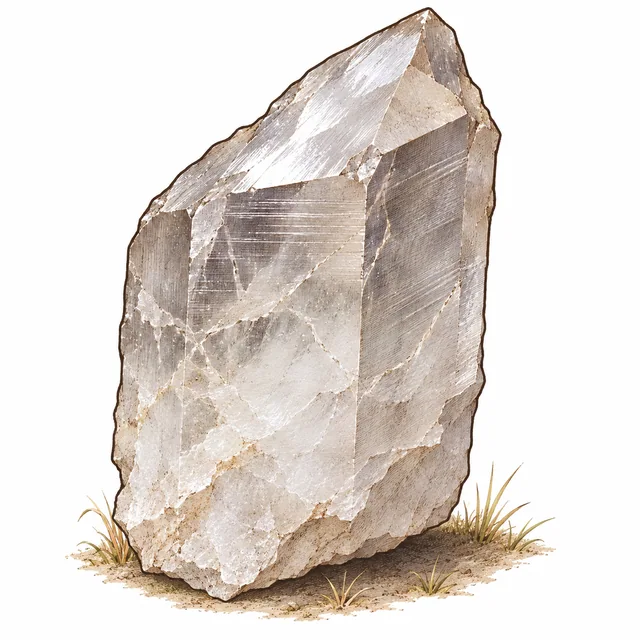
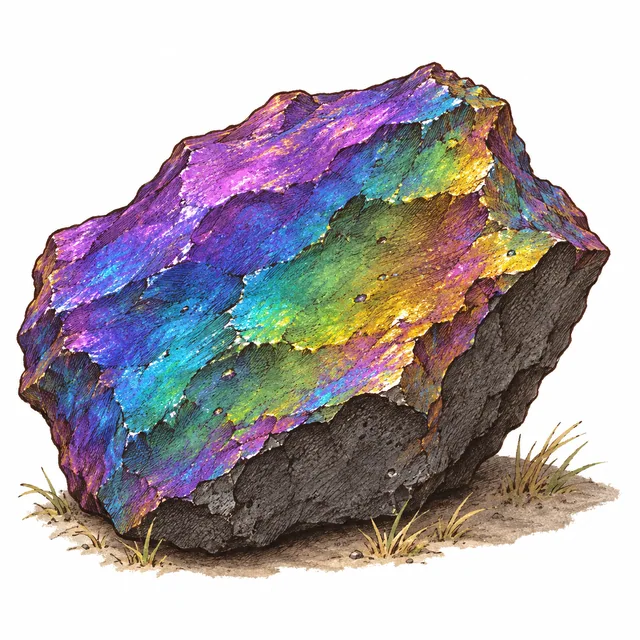
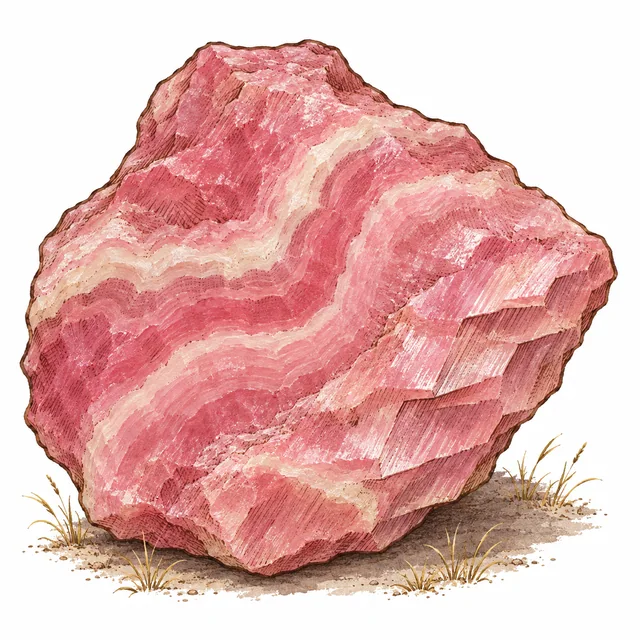
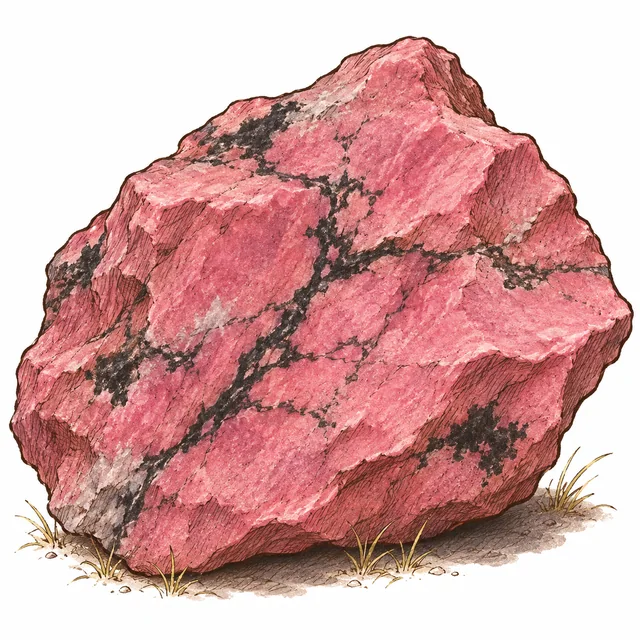
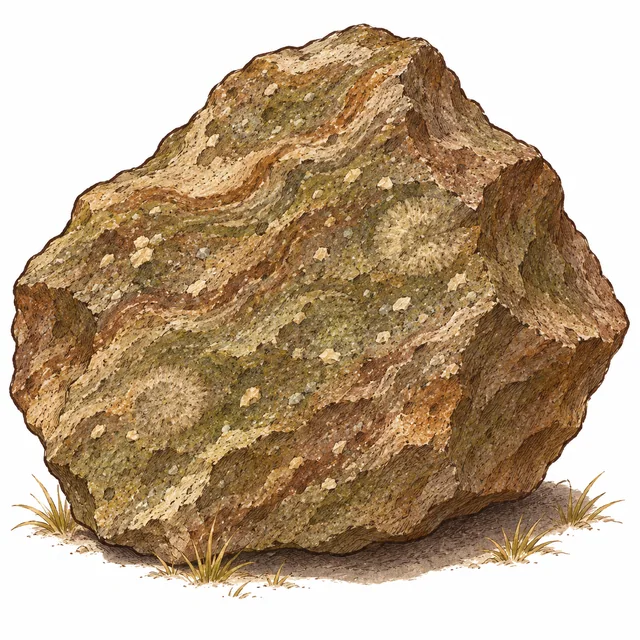
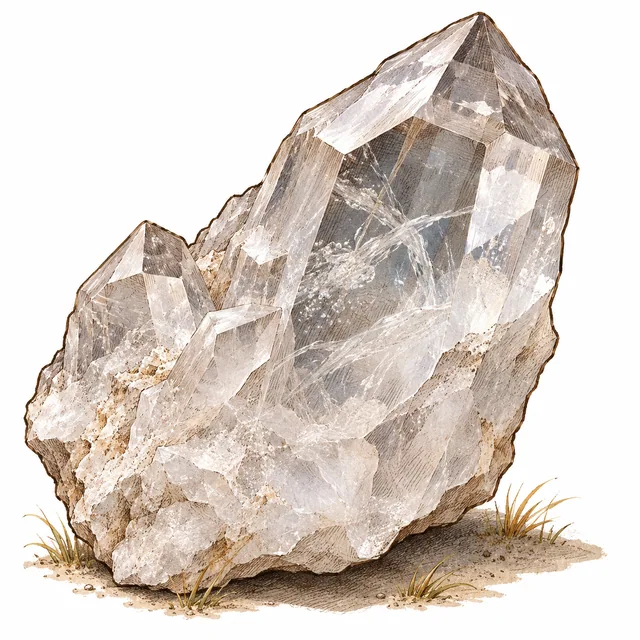
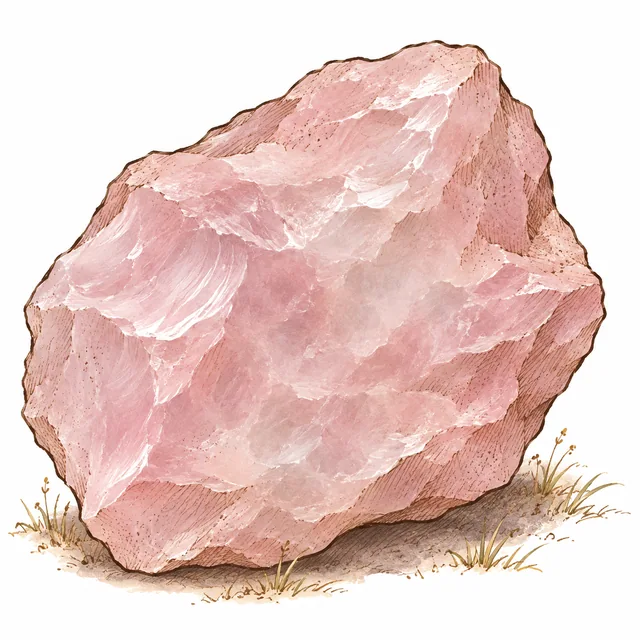
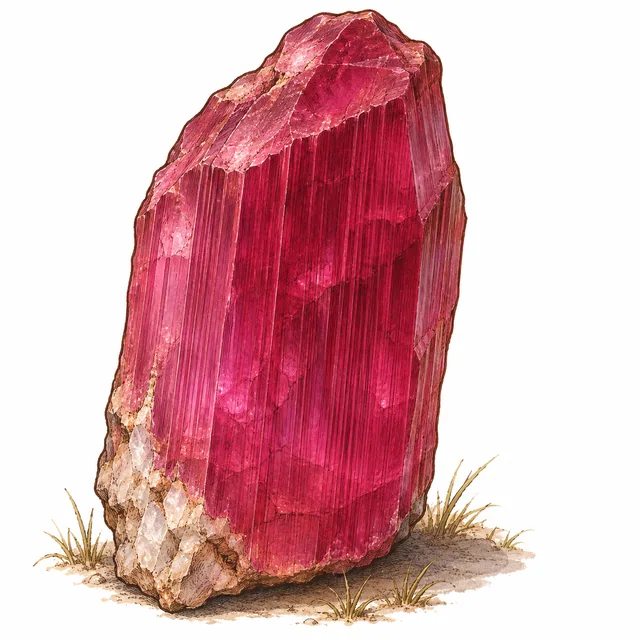
The learned name at the beginning gave the text a claim to authority. Modern readers must distinguish that claim from evidence for its statements. The collection records inherited expectations about natural substances; it does not demonstrate the effectiveness of its instructions. The book and varied stones in the image evoke the work’s subject matter without reenacting a particular historical procedure.[1]

 Phone: +43 677 628 66 628 |


 Search

 Tiangong kaiwu · o. J. · Ch. 18, 珠玉, section 寶









 Cart