
 Phone: +43 677 628 66 628 |


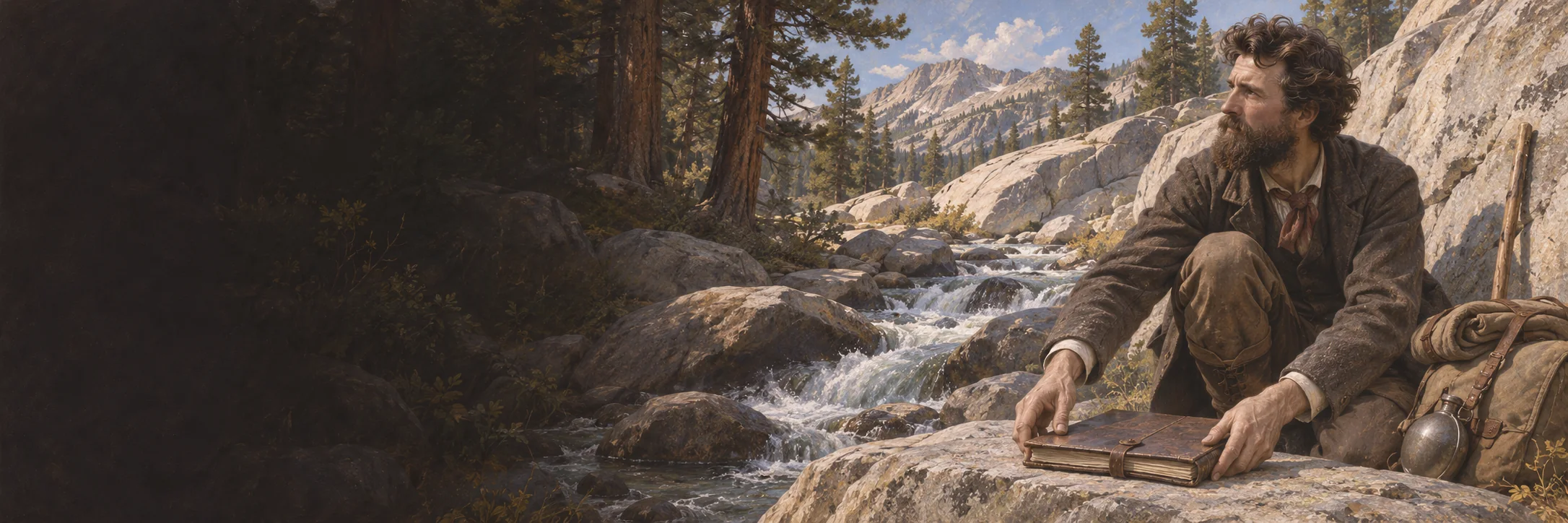
John Muir
The whole wilderness seems to be alive and familiar, full of humanity. The very stones seem talkative, sympathetic, brotherly.
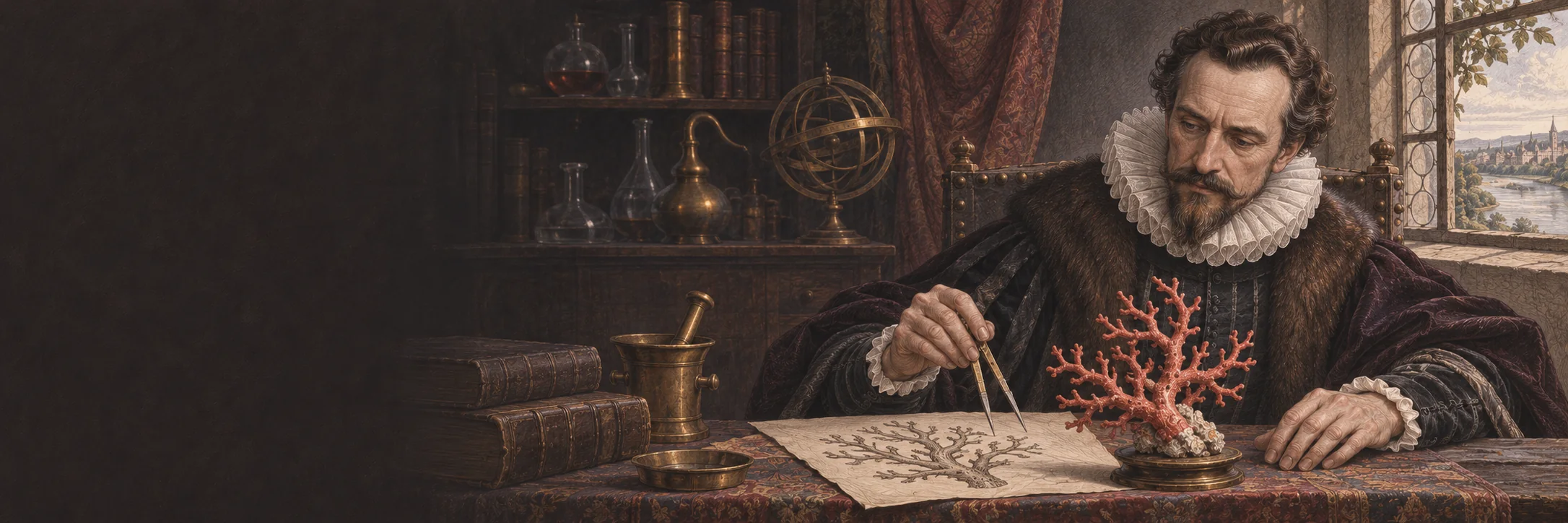
Michael Maier (1568–1622) was a German physician, alchemist and composer. His Atalanta fugiens invites the reader to follow a thought in words, in a picture and in music. Emblem 32 leads to the edge of the water, where a man reaches for a piece of coral.[1]
The engraving catches the man’s hand just above the surface. At precisely this boundary Maier imagines a change taking place. Below the water the coral grows. In the air it hardens. Someone holding the finished red branch must imagine the successive stages that gave it its form.[1]
As coral grows under water and hardens in the air, so does the stone.[1]
The Latin word for stone, lapis, comes at the very end of the motto. Only then does the comparison disclose its subject. The alchemist seeks a substance that passes through different states. Coral offers a memorable picture of how closely the work depends on a change of surroundings. It also preserves an early modern belief about coral itself.[1]
 Search
The whole wilderness seems to be alive and familiar, full of humanity. The very stones seem talkative, sympathetic, brotherly.
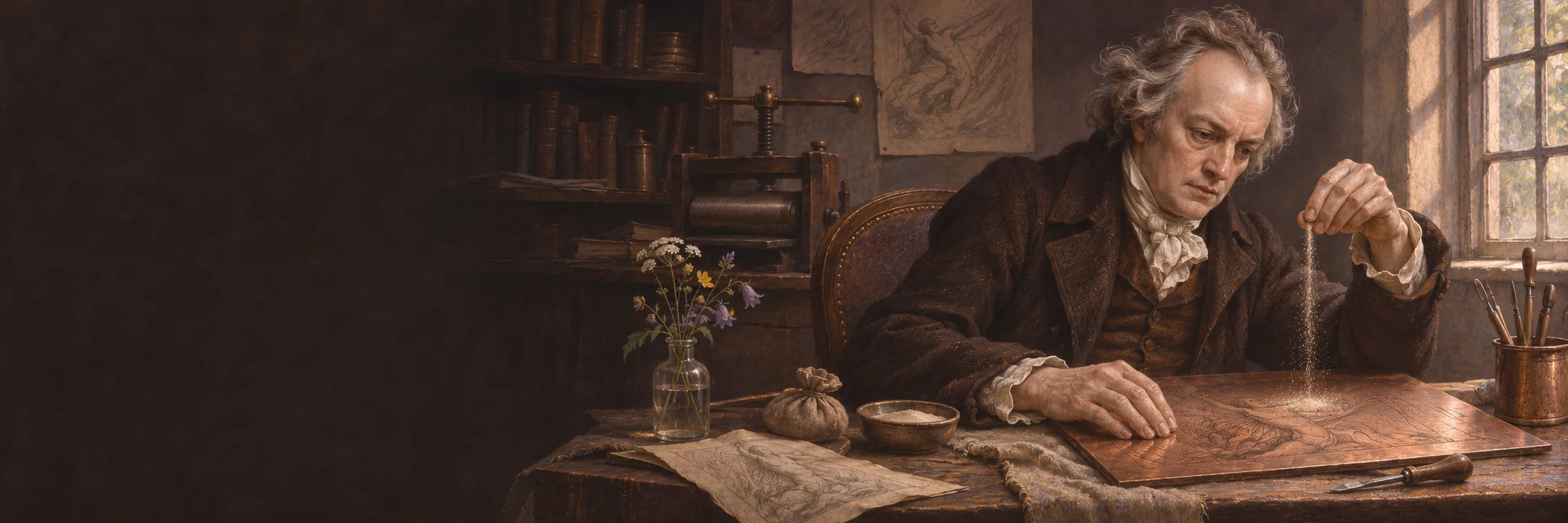
To see a World in a Grain of Sand, And a Heaven in a Wild Flower, Hold Infinity in the palm of your hand, And Eternity in an hour.
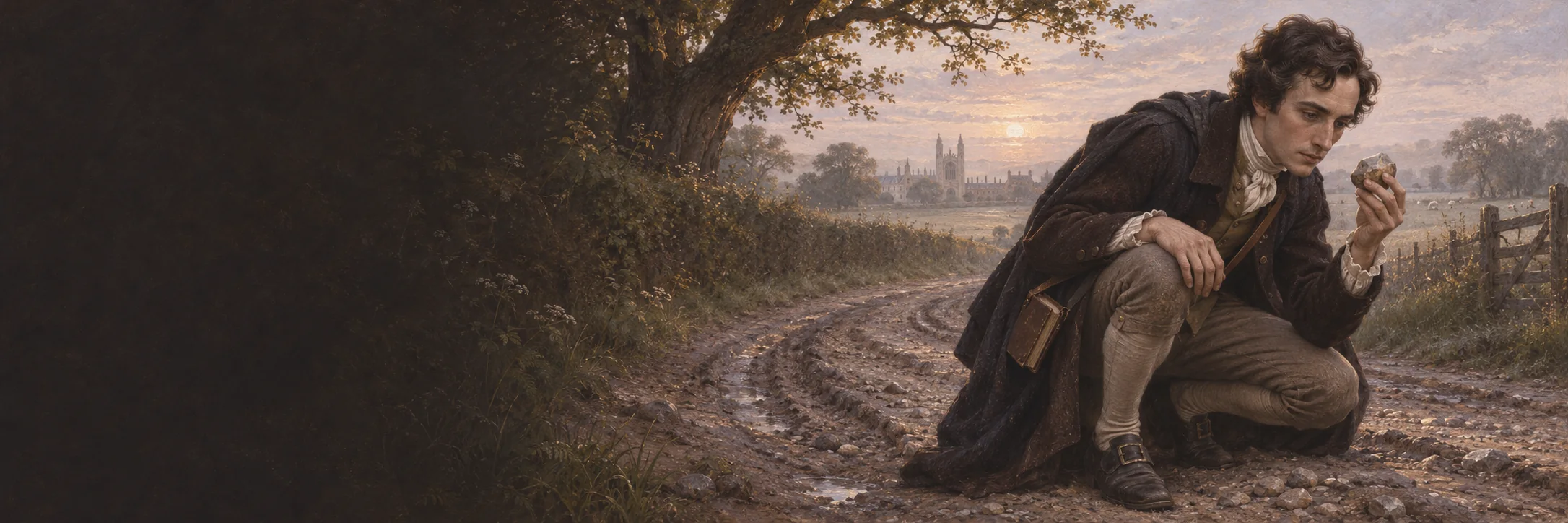
To every natural form, rock, fruit or flower, Even the loose stones that cover the high-way, I gave a moral life: I saw them feel […]
William Wordsworth (1770–1850)
 The Prelude, or Growth of a Poet’s Mind · p. 60–61
Original wording · Excerpt
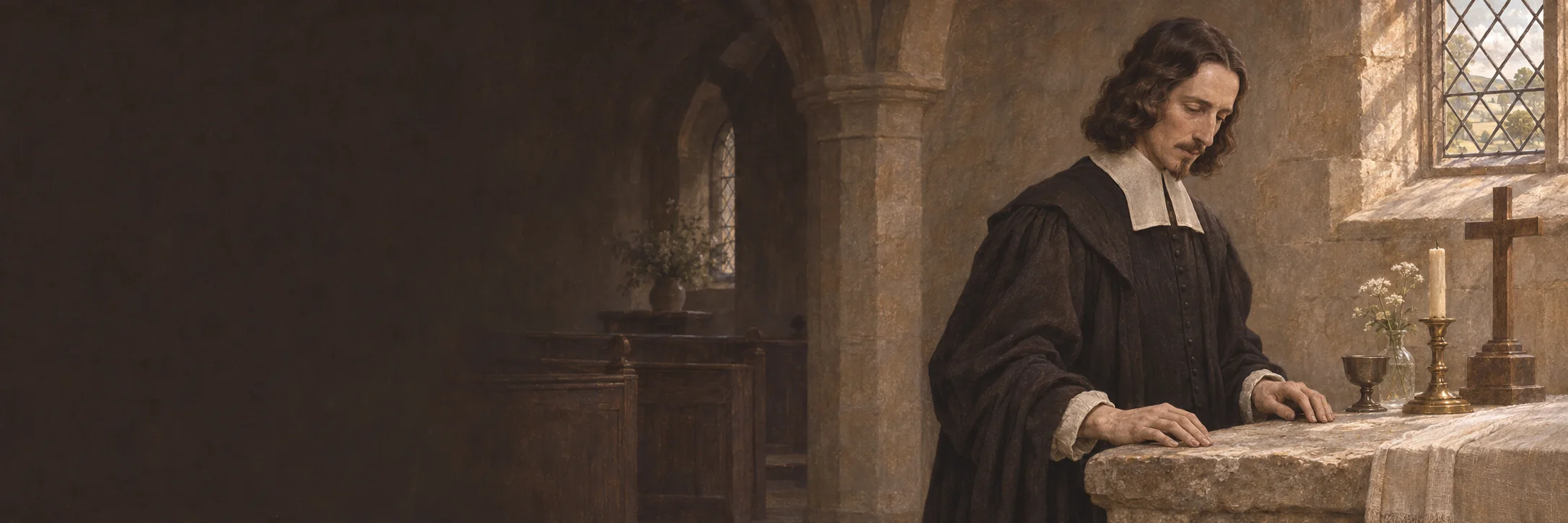
A Heart alone Is such a stone, As nothing but Thy pow’r doth cut.
George Herbert (1593–1633)
The Temple. Sacred Poems and Private Ejaculations · p. 18
Original wording
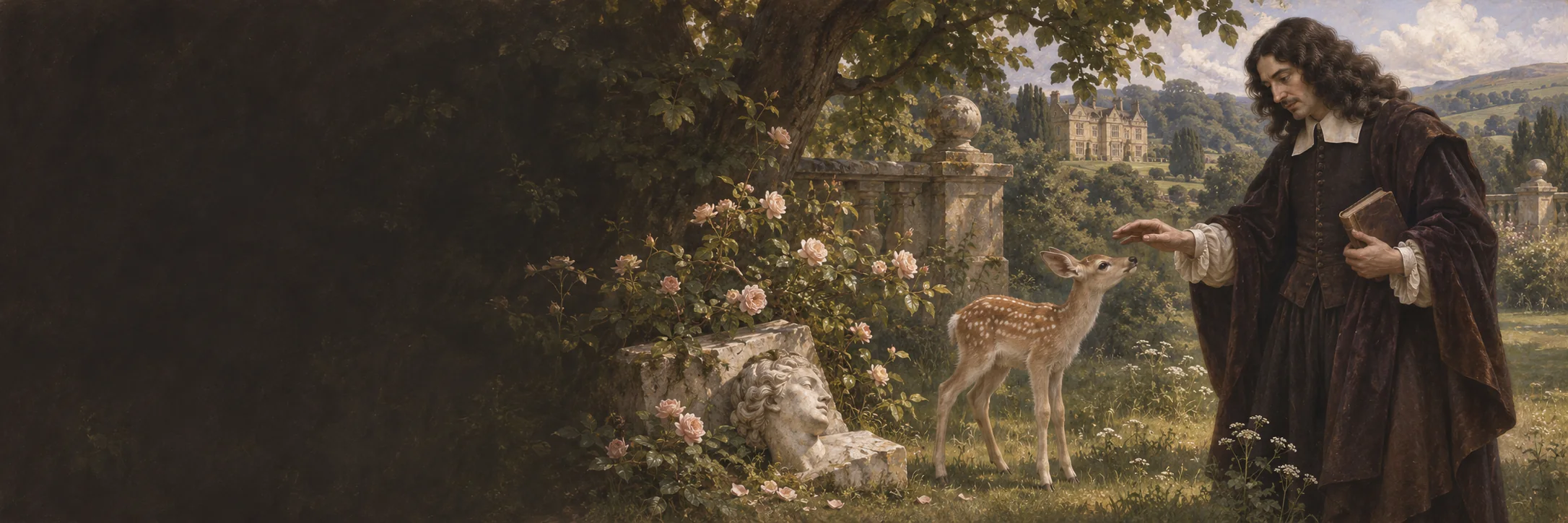
For I so truly thee bemoane, That I shall weep though I be Stone: Until my Tears, still dropping, wear My breast, themselves engraving there.
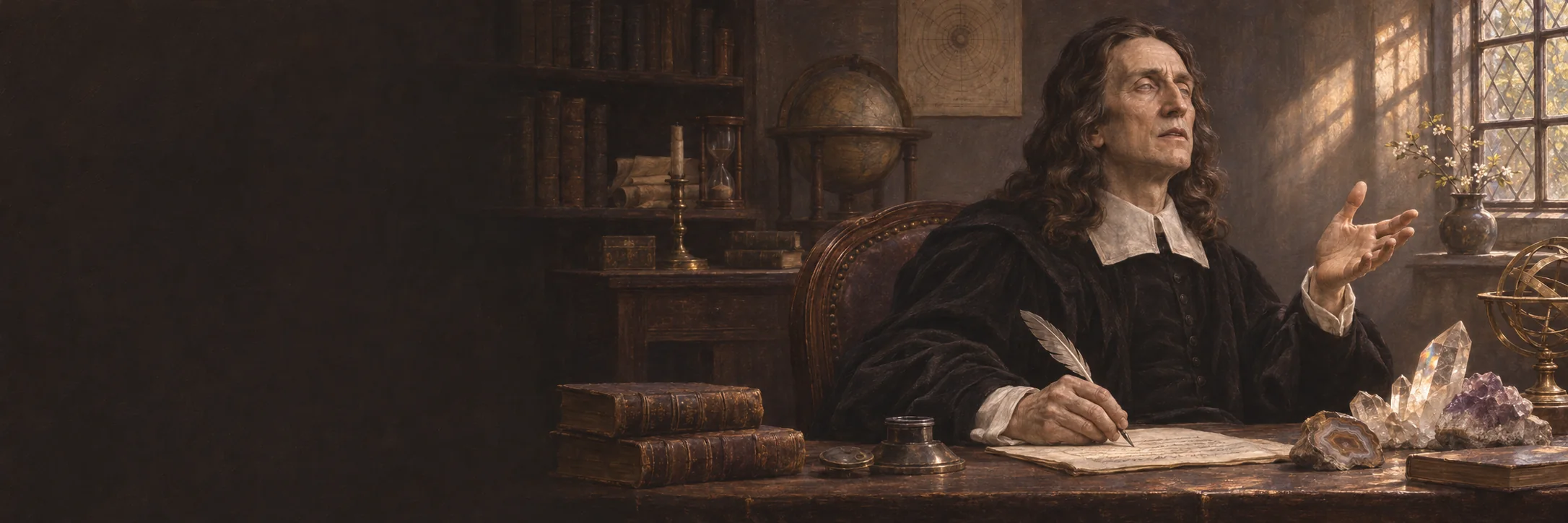
The arch-chemic sun, so far from us remote, Produces, with terrestrial humour mixed, Here in the dark so many precious things Of colour glorious and effect so rare?
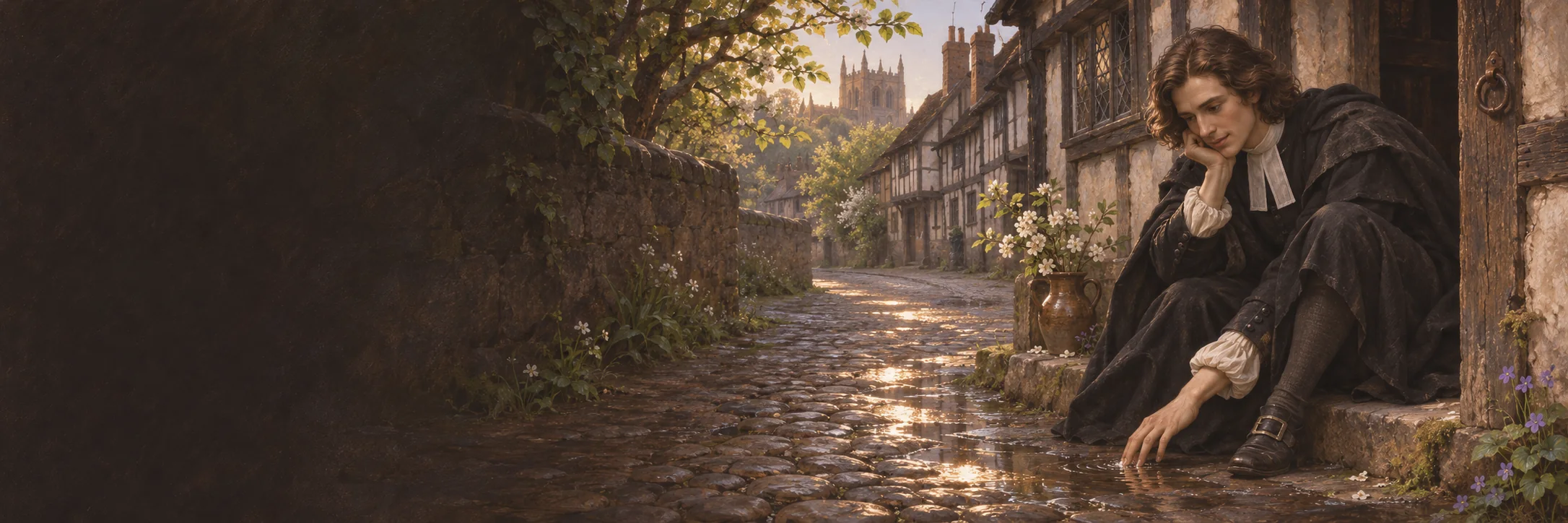
The dust and stones of the street were as precious as gold: the gates were at first the end of the world.
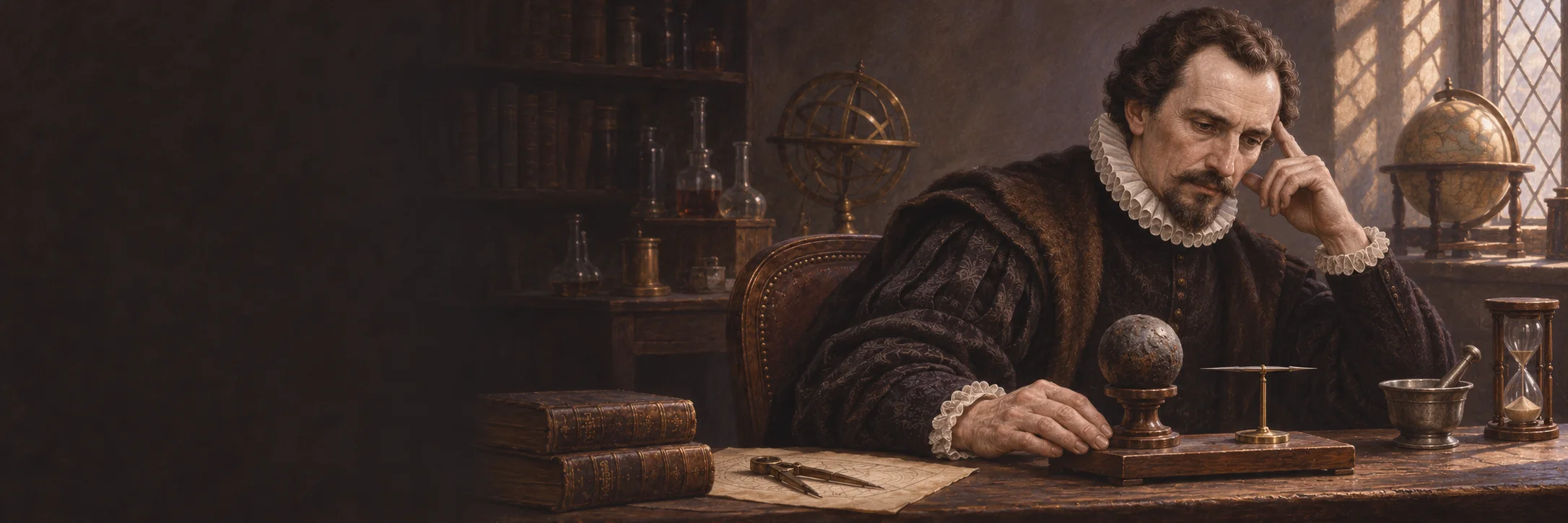
A loadstone is a wonderful thing in very many experiments, and like a living creature.
 Cart