Artist’s diary
Paul Klee
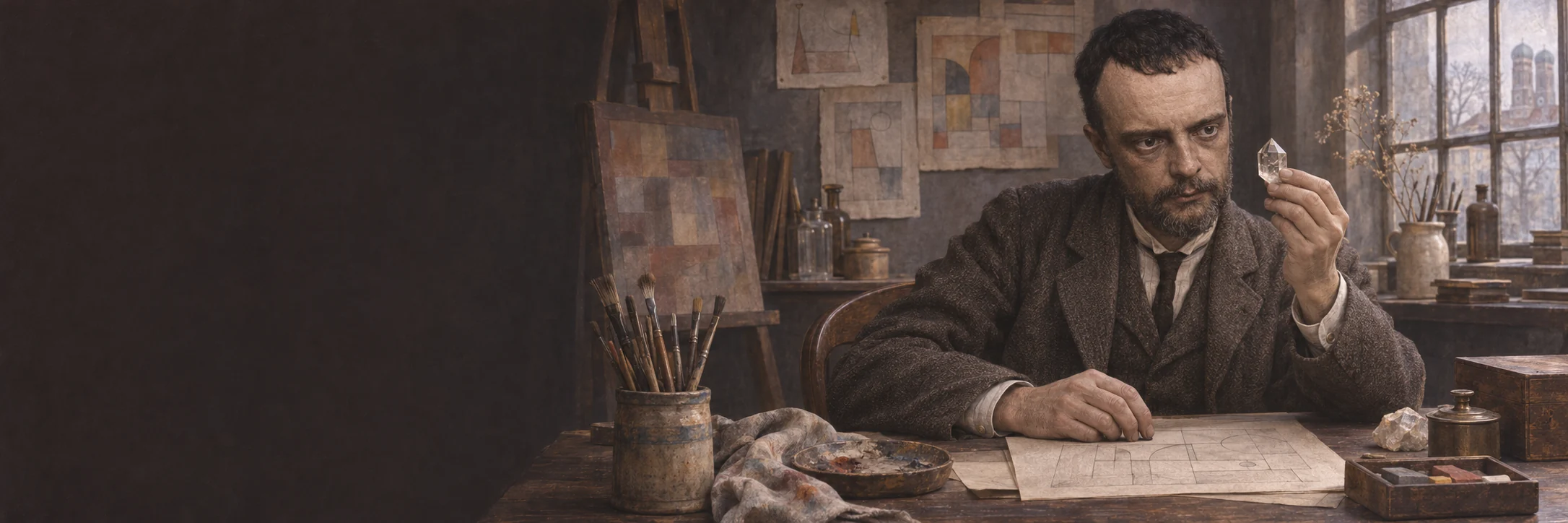
Can I, a crystal, die?
Paul Klee (1879–1940)
Tagebücher 1898–1918 · 1915 · edition 1957, entry 951, p. 323
Our translation from German.
Original text
Kann ich denn sterben, ich Kristall?
The edition used here presents Nicander of Colophon’s Theriaca and Alexipharmaca. These Greek didactic poems concern venomous animals, poisons and the remedies traditionally associated with them. Descriptive knowledge and poetic form belong together. The historical work should not be read as present-day guidance for treating poisoning.[1]
A didactic poem does not present its subject through a modern table or laboratory instruction. Names, descriptions and the sequence of verses shape a particular approach to its material. Readers must therefore consider both the subject and the language through which it is introduced.[1]
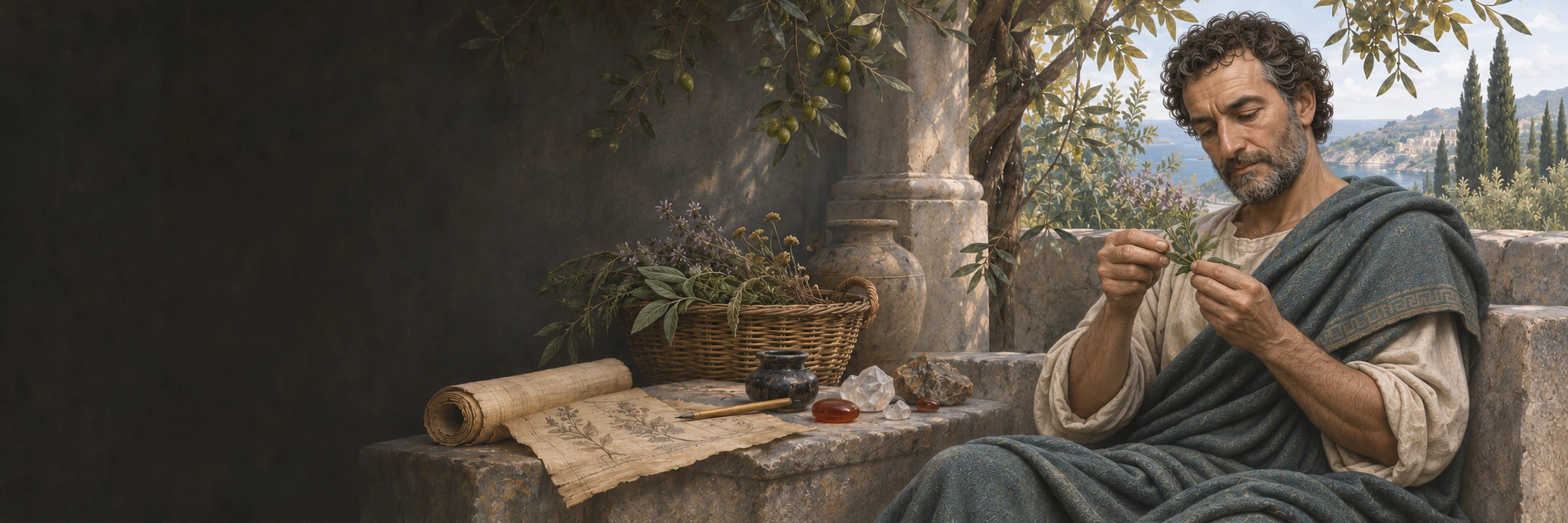
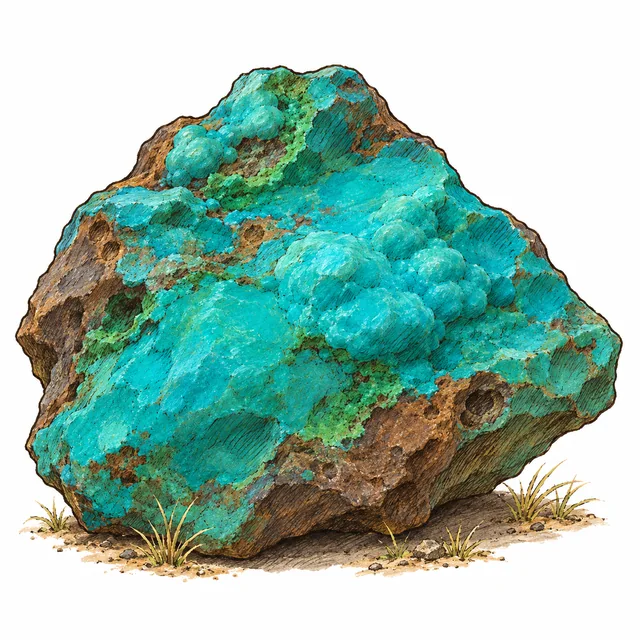
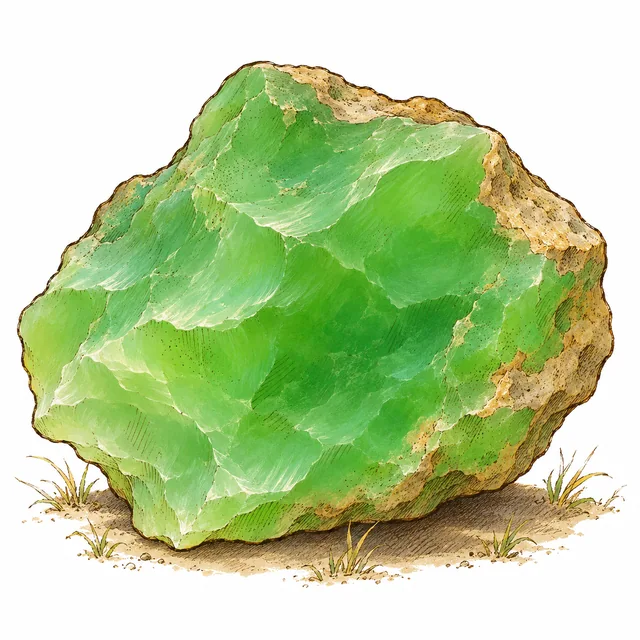
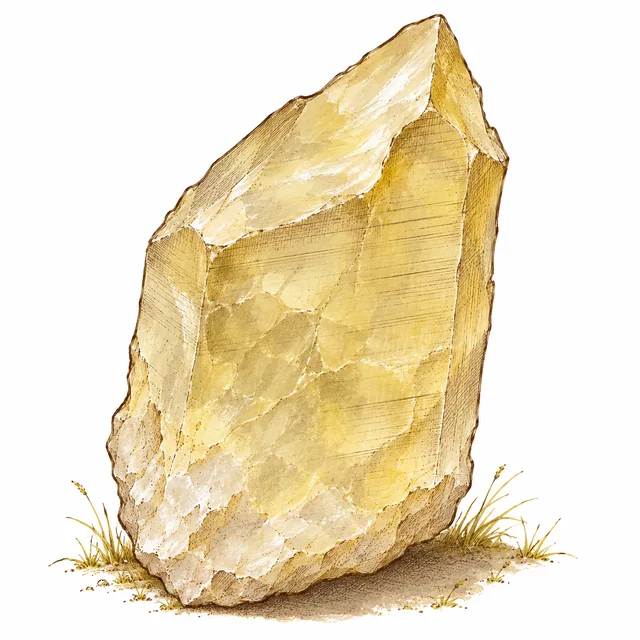
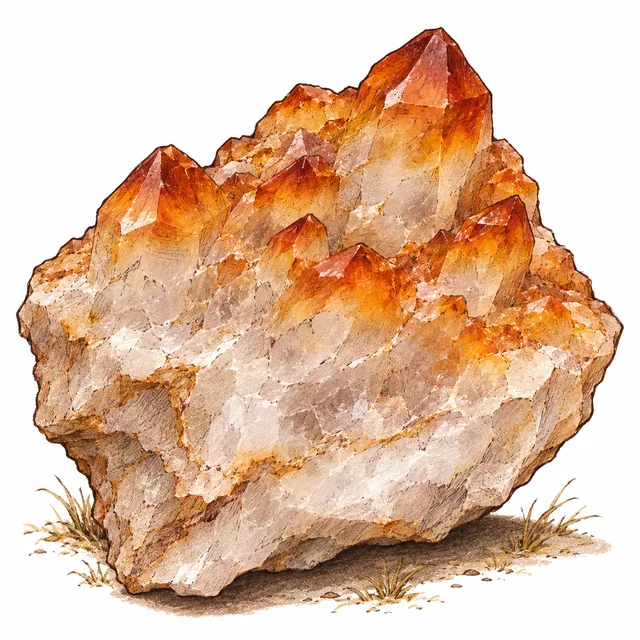
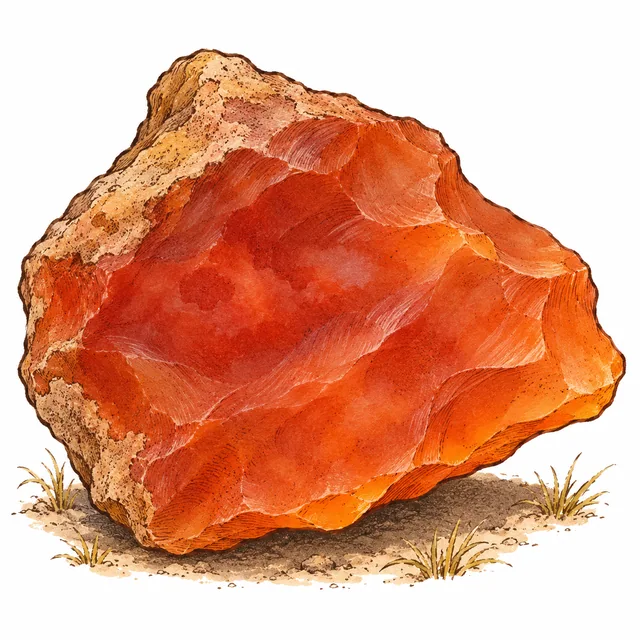
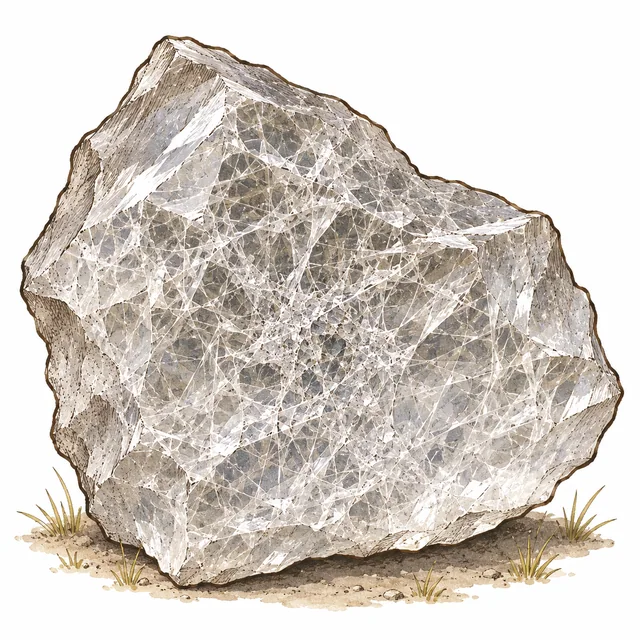
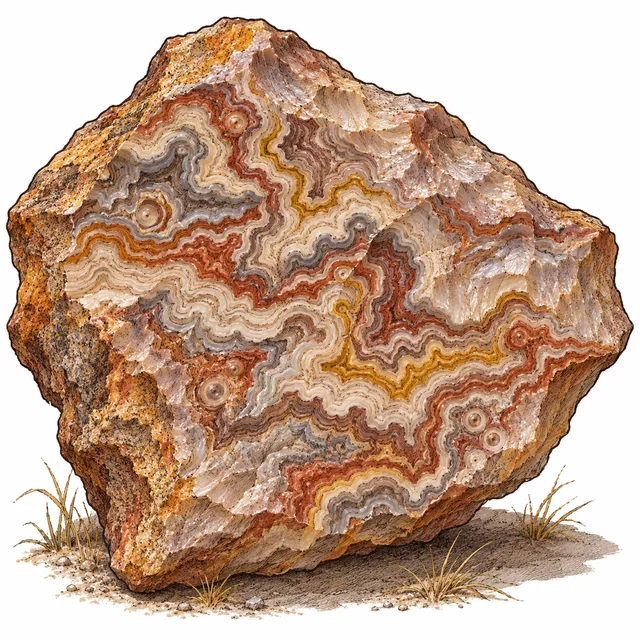
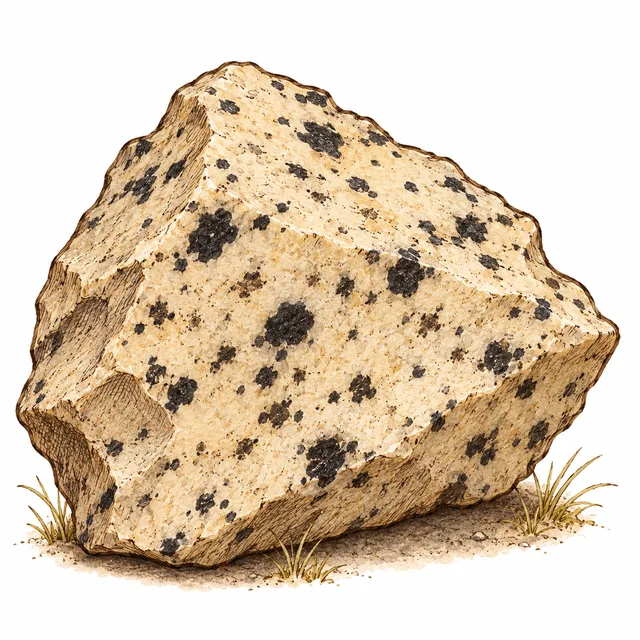
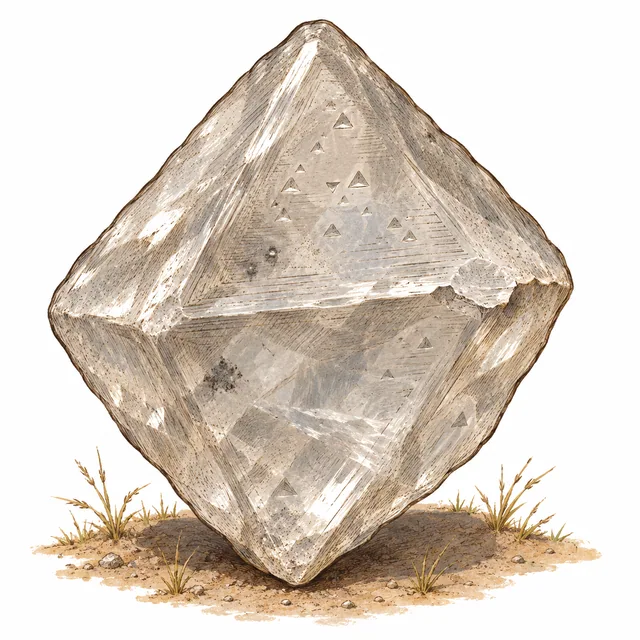
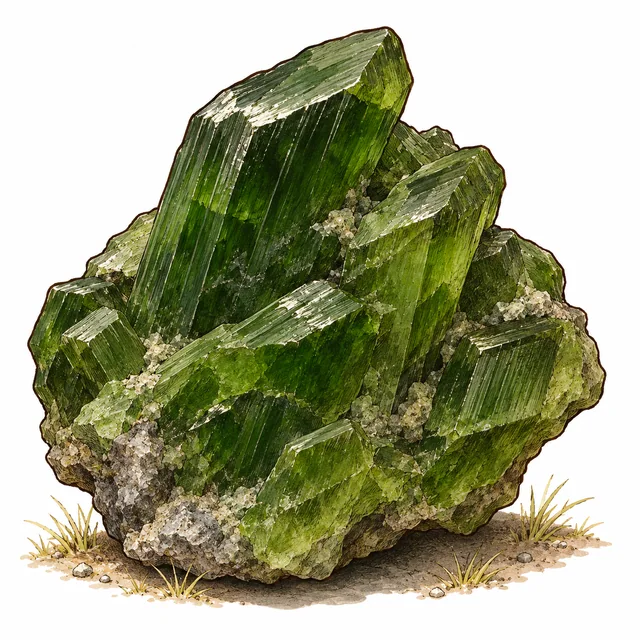
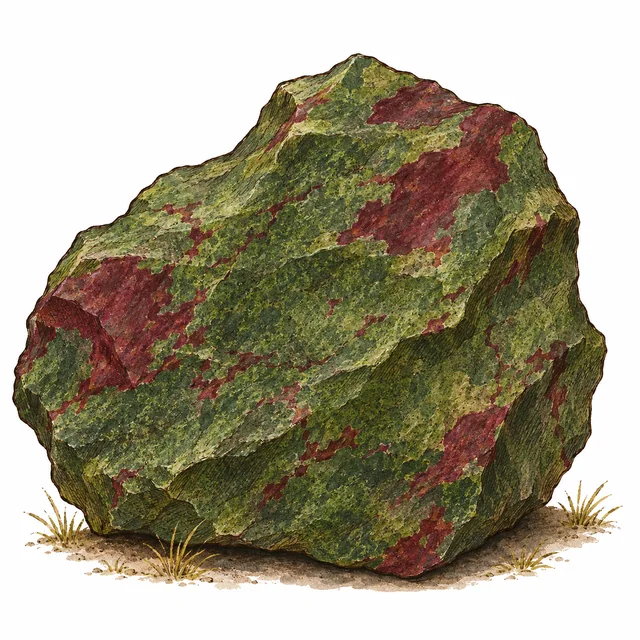
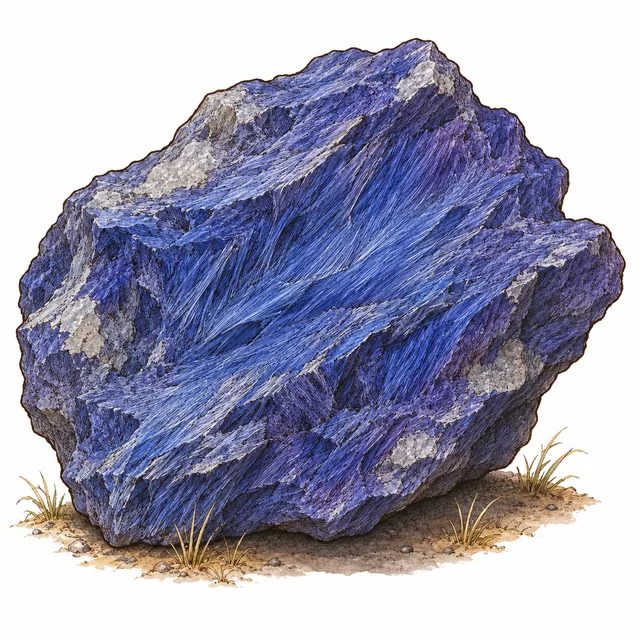
The Florentine printing of 1764 announces, alongside the Greek texts, a Latin verse translation by Jean de Gorris and an Italian version by Anton Maria Salvini. It provides evidence both of the ancient work and of its later learned transmission. The illustration evokes study through books and natural substances; it does not document an ancient recipe involving the stones shown.[1]
SearchArtist’s diary
Can I, a crystal, die?
Paul Klee (1879–1940)
Tagebücher 1898–1918 · 1915 · edition 1957, entry 951, p. 323
Our translation from German.
Kann ich denn sterben, ich Kristall?
Prose poetry
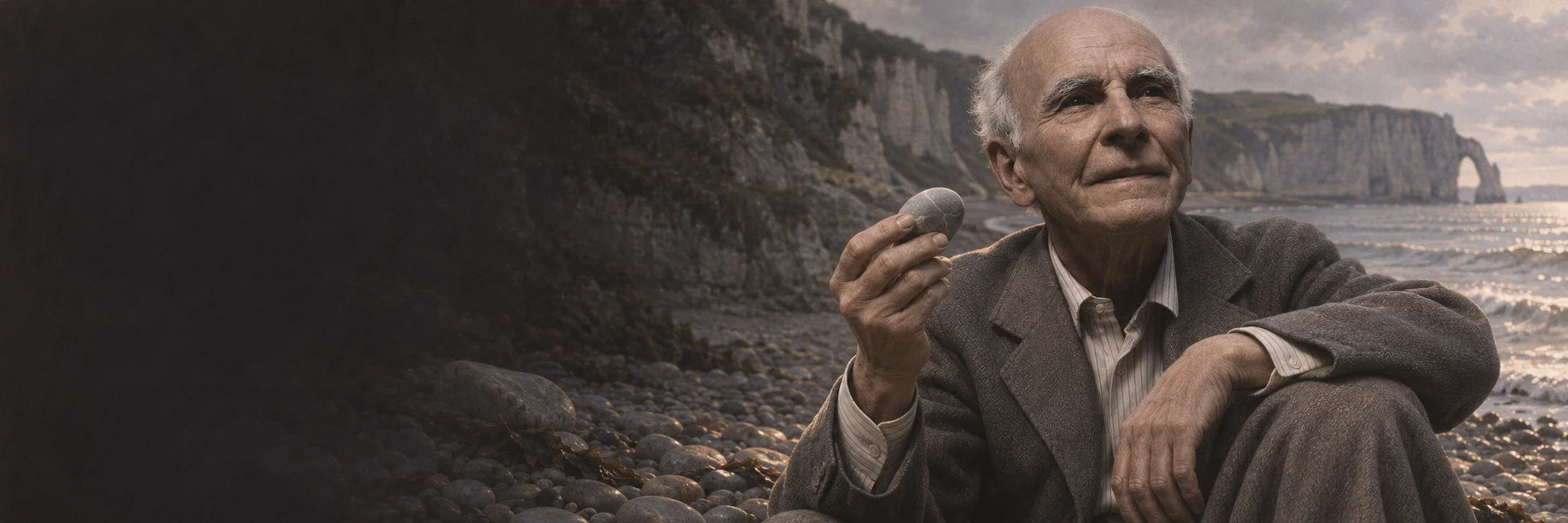
The pebble, then, is precisely the stone at the age when it begins to be a person, an individual, which is to say, to speak.
Francis Ponge (1899–1988)
Le Parti pris des choses · 1942, Le Galet, paragraph following the choice of the pebble
Our translation from French.
Aussi bien, le galet est-il exactement la pierre à l’époque où commence pour elle l’âge de la personne, de l’individu, c’est-à-dire de la parole.
Nature poetry
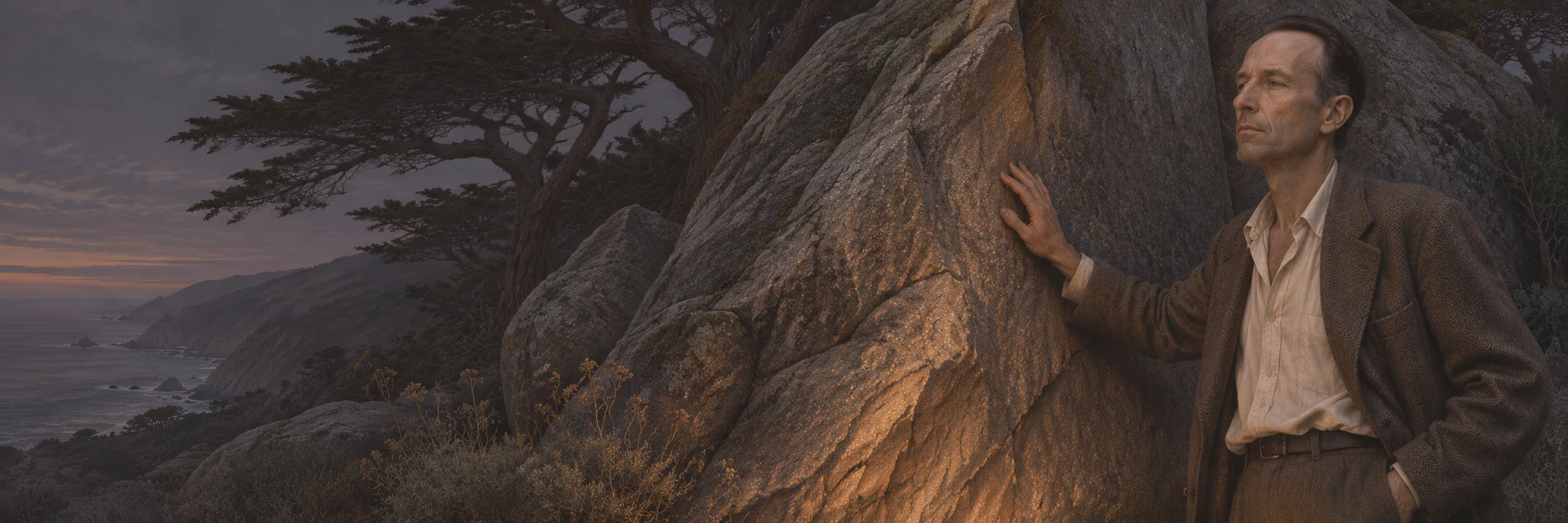
[…] as if I were seeing through the flame-lit surface into the real and bodily And living rock.
Robinson Jeffers (1887–1962)
Such Counsels You Gave to Me and Other Poems · 1937, Oh Lovely Rock, passage by the fire
Essay
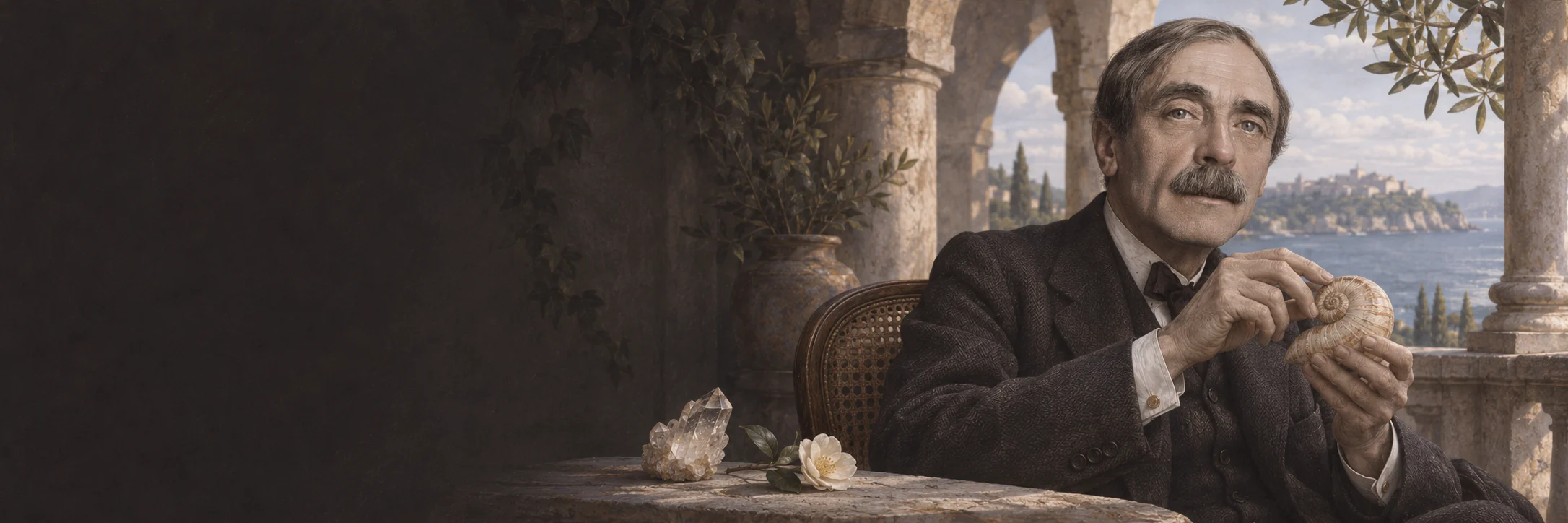
[…] so a crystal, a flower, a shell stand out from the ordinary disorder of all the things we perceive.
Paul Valéry (1871–1945)
L’Homme et la coquille · 1937 · edition 1944, opening paragraph, p. 11
Our translation from French.
[…] ainsi un cristal, une fleur, une coquille se détachent du désordre ordinaire de l’ensemble des choses sensibles.
Elegy
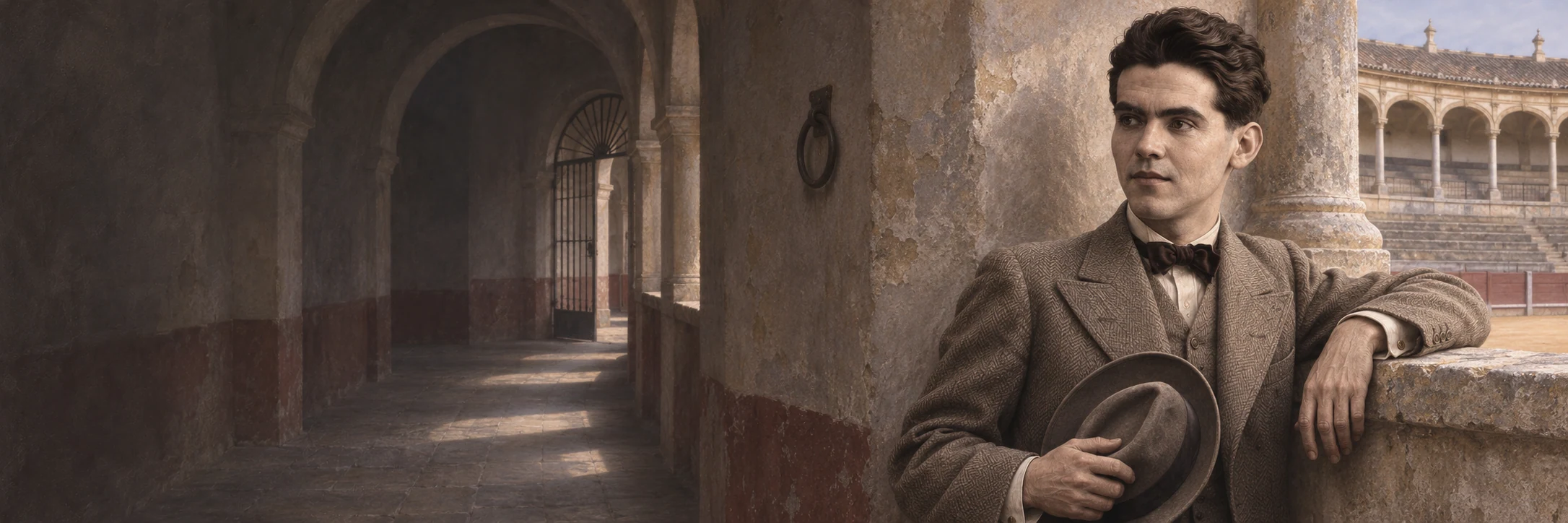
The stone is a back for carrying time […]
Federico García Lorca (1898–1936)
Llanto por Ignacio Sánchez Mejías · 1935 · edition 2000, III, Cuerpo presente, l. 3, p. 238
Our translation from Spanish.
La piedra es una espalda para llevar al tiempo […]
Art criticism
[…] this tiny sun that owes its rays to geometry.
Paul Claudel (1868–1955)
La Mystique des pierres précieuses · 1938 · edition 1946, p. 217
Our translation from French.
[…] ce soleil minuscule qui doit ses rayons à la géométrie.
Poetry
It is time for the stone to deign to bloom, for a heart to beat for unrest.
Paul Celan (1920–1970)
Corona · 1948 · edition 1952, Corona, last extended stanza
Our translation from German.
Es ist Zeit, daß der Stein sich zu blühen bequemt, daß der Unrast ein Herz schlägt.
Letters
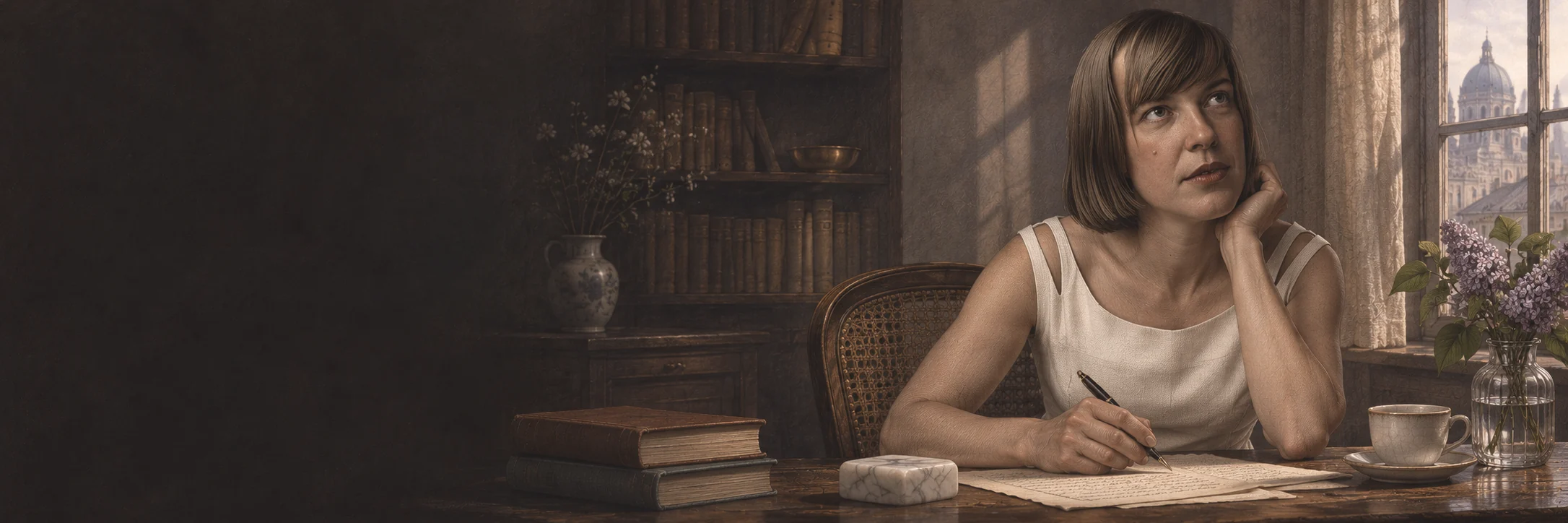
[…] the perfect anticipation of a moment when everything turns to marble and is for ever.
Ingeborg Bachmann (1926–1973)
Brief an Paul Celan vom 24. Juni 1949 · 1949 · edition 2008, letter 7, pp. 11–12
Our translation from German.
[…] die vollkommene Vorwegnahme eines Augenblicks, wo alles Marmor wird und für immer ist.
Poetry
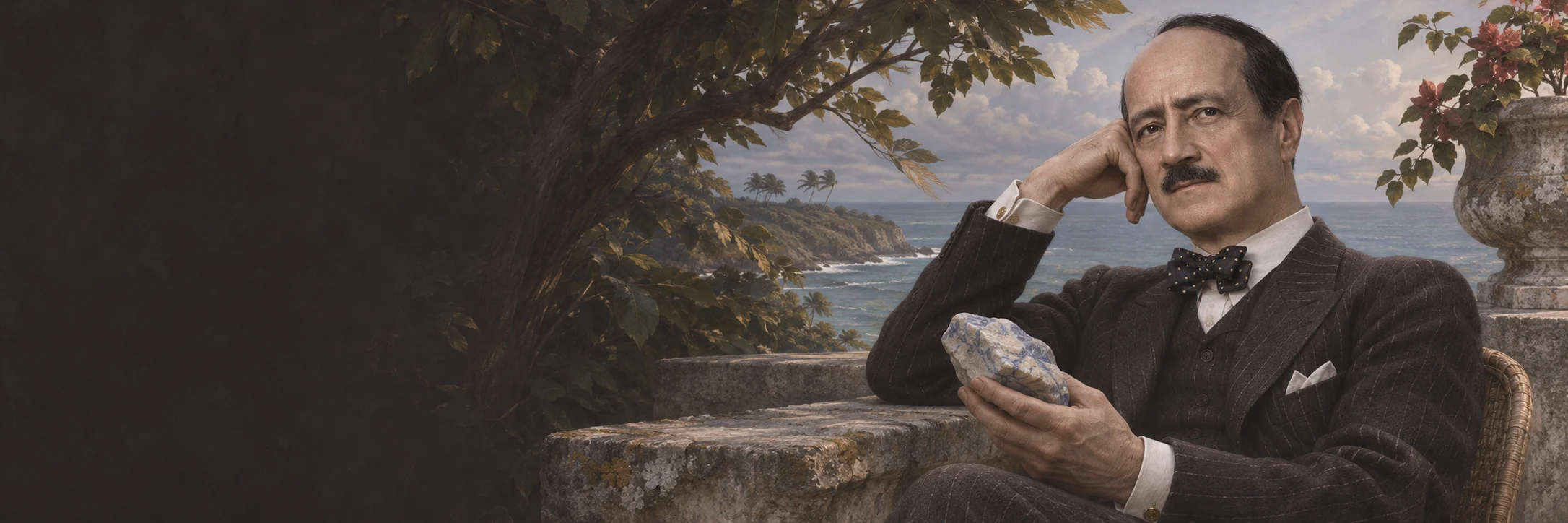
Or else I have an alliance with the blue-veined stones […]
Saint-John Perse (1887–1975)
Éloges · 1908 · edition 1911, XVIII, final paragraph
Our translation from French.
Ou bien j’ai une alliance avec les pierres veinées-bleu […]
Elegy
Was it a stone that had already drunk Many last looks, until in blindness They fell upon the blind one?
Nelly Sachs (1891–1970)
In den Wohnungen des Todes · 1947, Gebete für den toten Bräutigam, “Wenn ich nur wüßte”, ll. 3–5
Our translation from German.
War es ein Stein, der schon viele letzte Blicke Getrunken hatte, bis sie in Blindheit Auf den Blinden fielen?
Philosophy of art
Here the stones blossom and bear fruit, the breath of life, long kept silent, reaches to the end and beyond.
Ernst Bloch (1885–1977)
Geist der Utopie · 1918, Die Erzeugung des Ornaments, p. 41
Our translation from German.
Die Steine blühen hier und tragen Früchte, der Atem der Lebendigkeit, lange verschwiegen, reicht bis an das Ende und darüber hinaus.
Poetry
The rock is the habitation of the whole, Its strength and measure […]
Wallace Stevens (1879–1955)
The Rock · 1950 · edition 1954, The Rock, III, Forms of the Rock in a Night-Hymn, p. 528
Phone: +43 677 628 66 628 |