
 Phone: +43 677 628 66 628 |


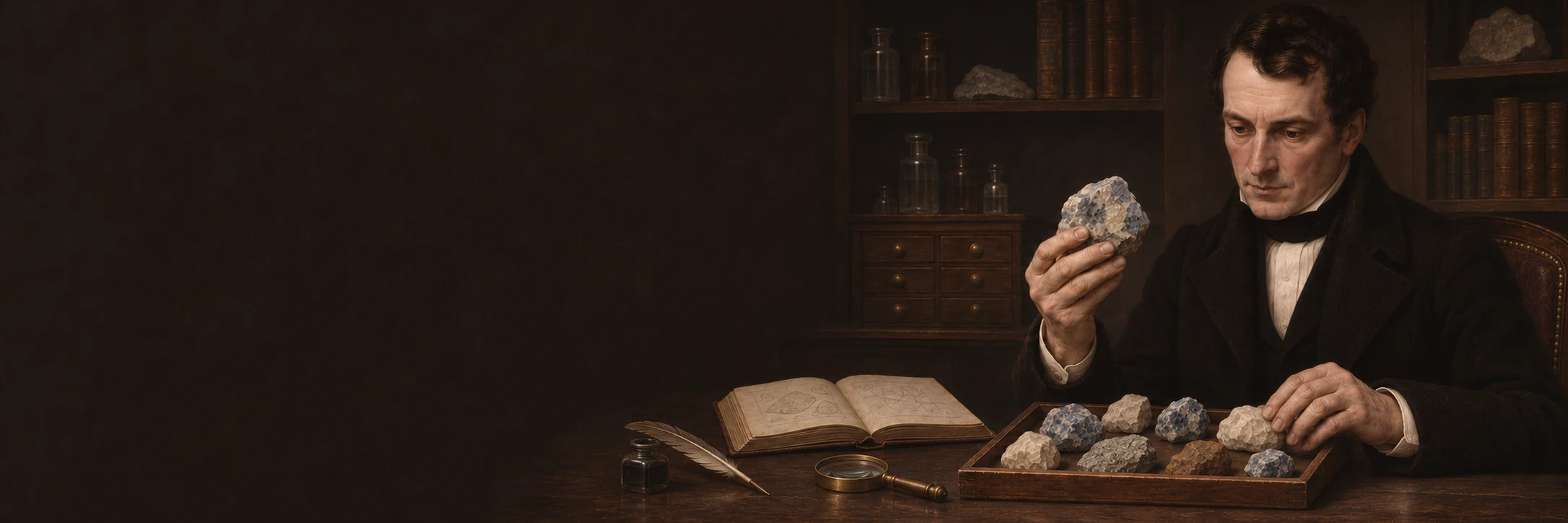
Thomas Thomson
Resemblance to feldspar was only the starting point: Thomson compared Greenland specimens and investigated their composition.
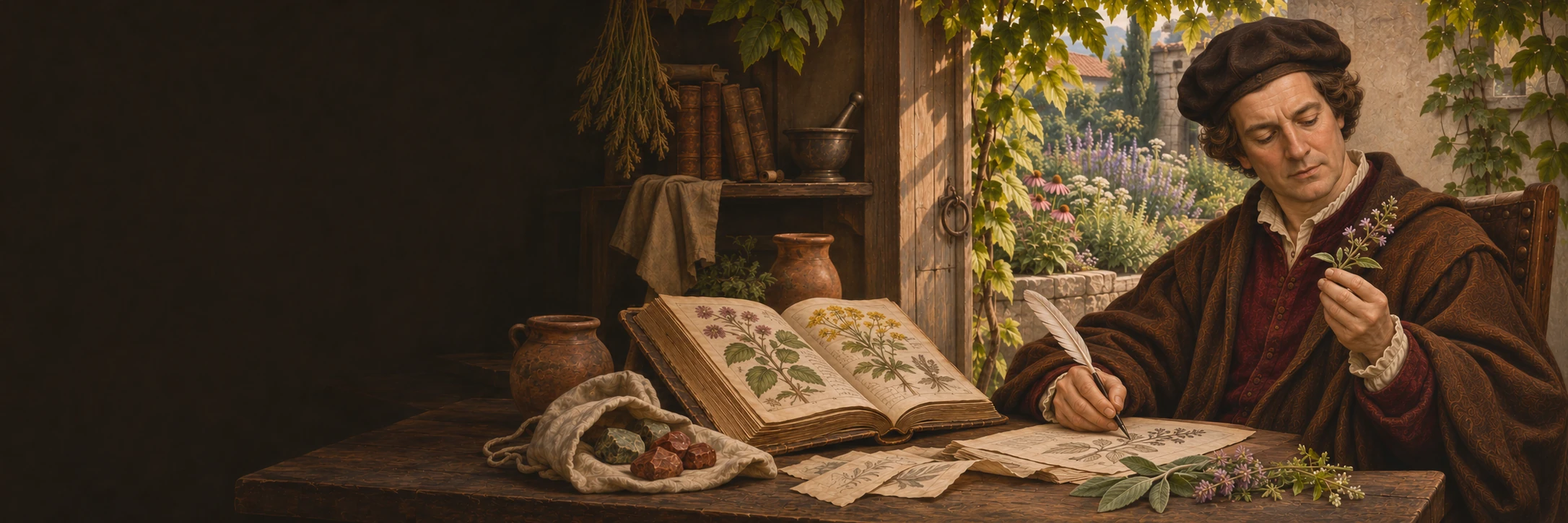
The herbal of 1536 associated with Eucharius Rösslin names not only herbs in its title, but also animals, stones and metals. This wide scope explains why such a book also matters to the history of minerals. Its declared concerns are the nature, attributed usefulness and uses of the substances discussed.[1]
The listed groups show that a herbal of this kind should not be equated with a modern botanical identification guide. It introduces a collection in which different materials are considered through their uses. The book and mineral specimens in the illustration evoke this relationship.[1]
The edition cited here was printed by Christian Egenolff in Frankfurt am Main in 1536. This article remains with that identifiable publication rather than adding uncertainly assigned biographical dates. Historical statements about a substance’s usefulness belong to their period. They replace neither modern mineral identification nor evidence for a medical effect.[1]
 Search
Resemblance to feldspar was only the starting point: Thomson compared Greenland specimens and investigated their composition.
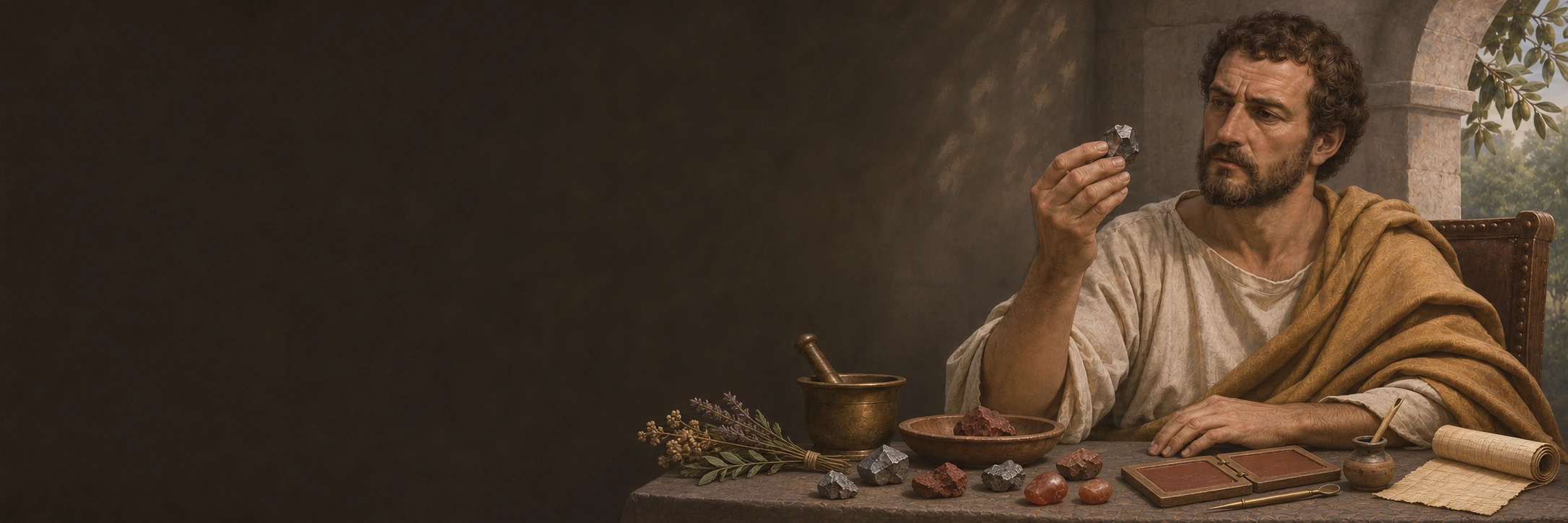
Dioscorides’ materia medica includes mineral substances. Their historical uses must be distinguished from present-day practice.
Pedanios Dioskurides
 Des Pedanios Dioskurides aus Anazarbos Arzneimittellehre in fünf Büchern. 1902.
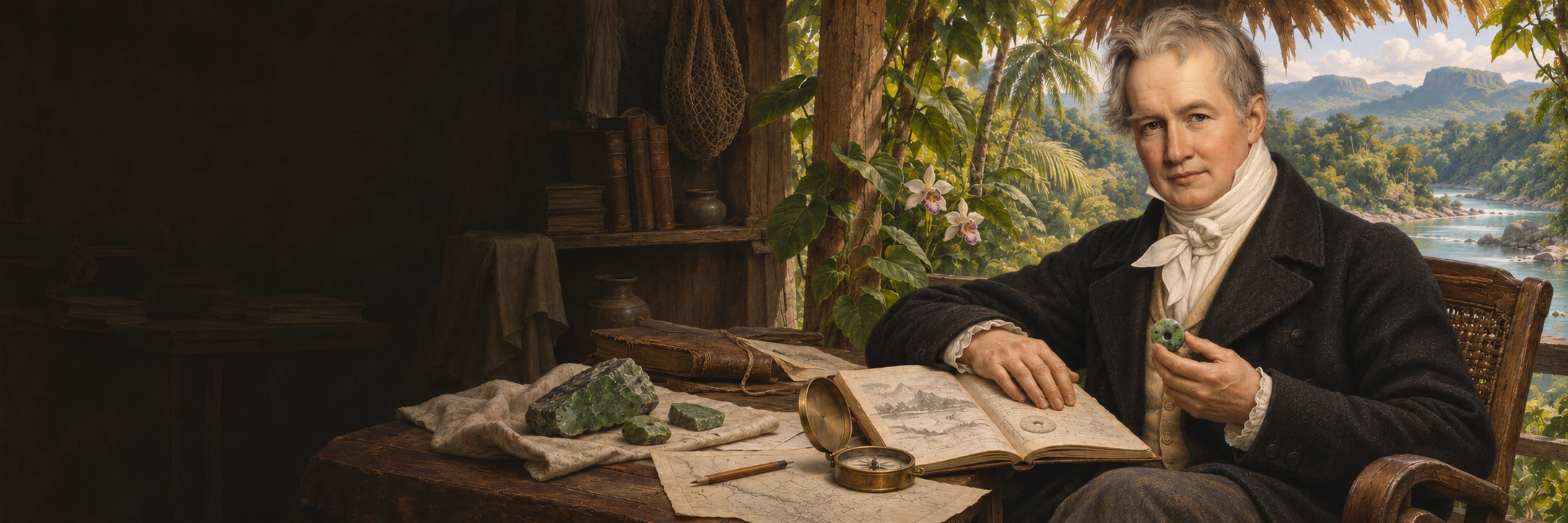
Humboldt describes green amulet stones as objects of belief and of far-reaching exchange.
Alexander von Humboldt
Reise in die Aequinoctial-Gegenden des neuen Continents, vol. IV. 1823.
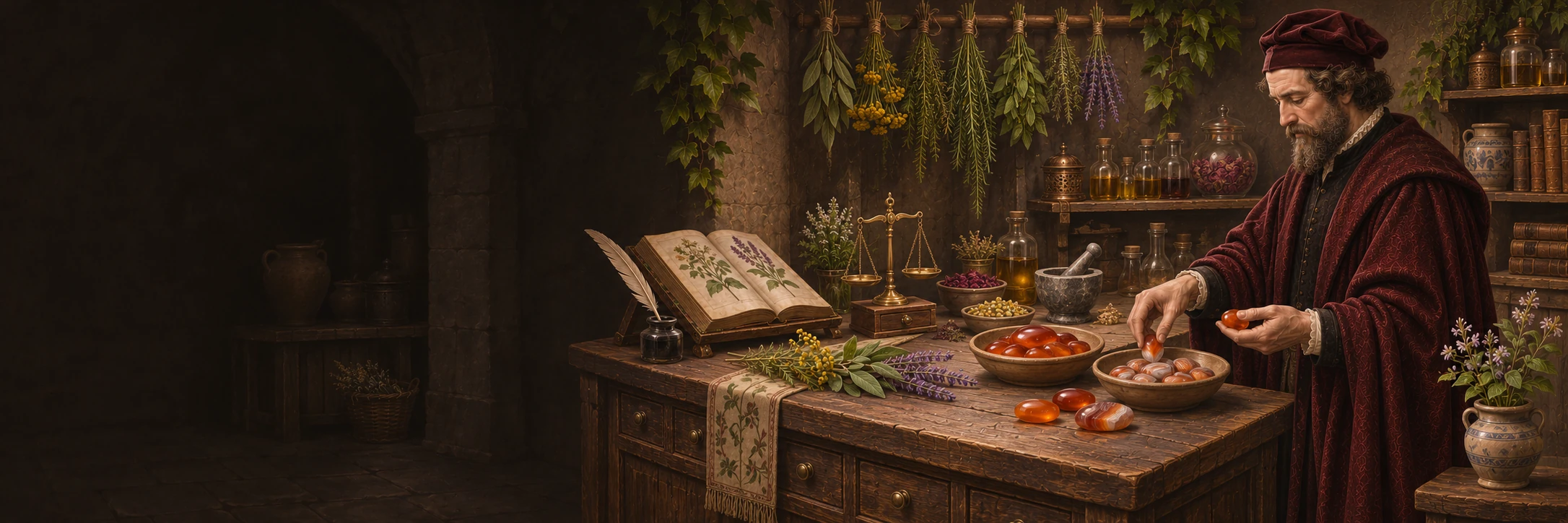
The Gart der Gesundheit connects descriptions of natural substances with their inherited uses.
Johann Wonnecke von Kaub
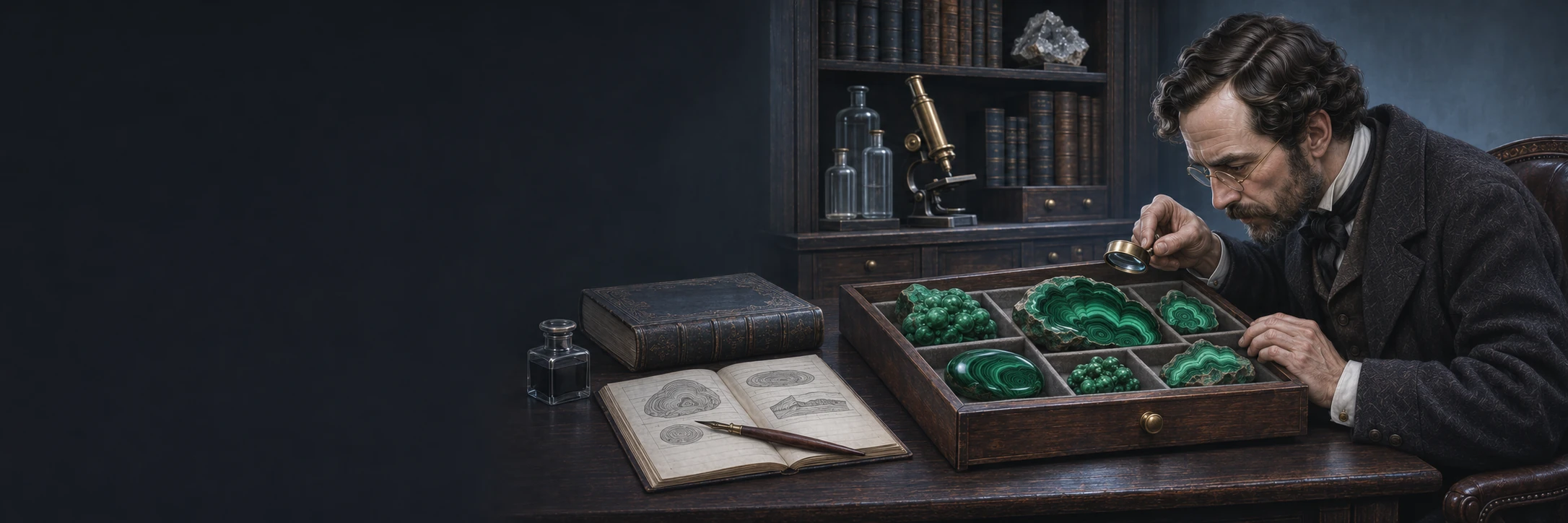
Bauer connects malachite’s characteristic appearance with its use in jewellery and decorative objects.
Max Bauer

Brückmann groups carnelians by visible differences, connecting description with inherited names.
Urban Friedrich Benedikt Brückmann
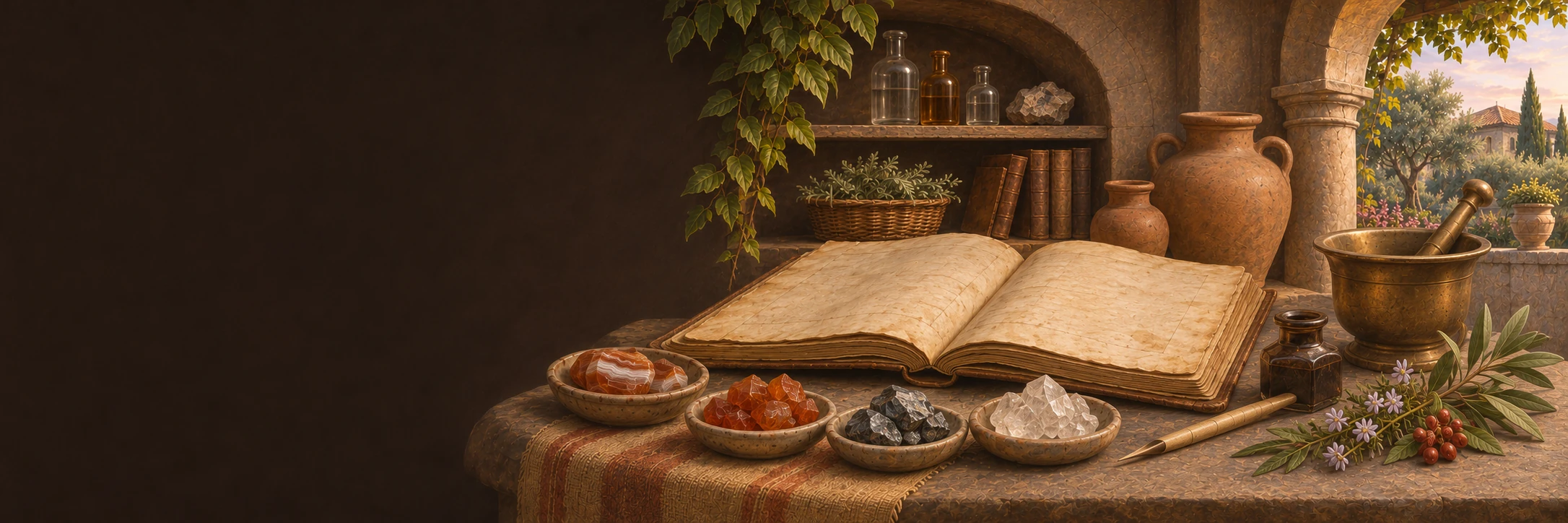
A short tract in manuscript H 490 places plants and stones within a shared order.
Pseudo-Dioskurides
De herbis propriis lapidibus assignatis (?). 15. Jahrhundert.
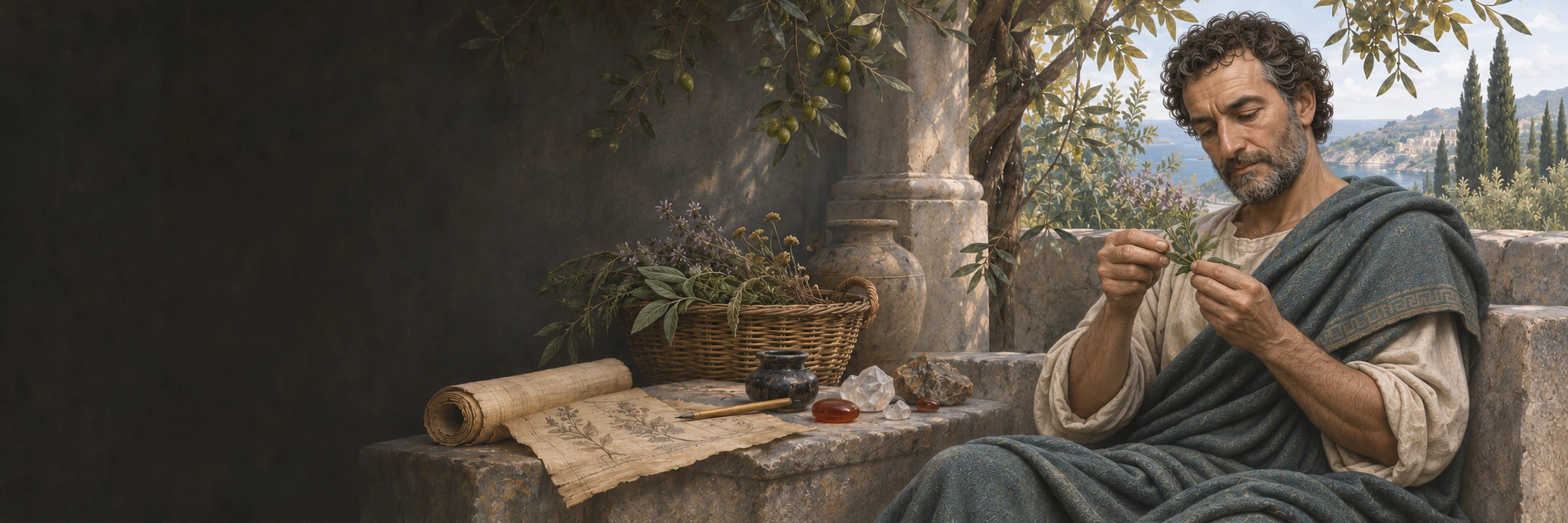
Nicander combines descriptions of dangerous natural substances with the form of Greek didactic poetry.
Nikandros von Kolophon
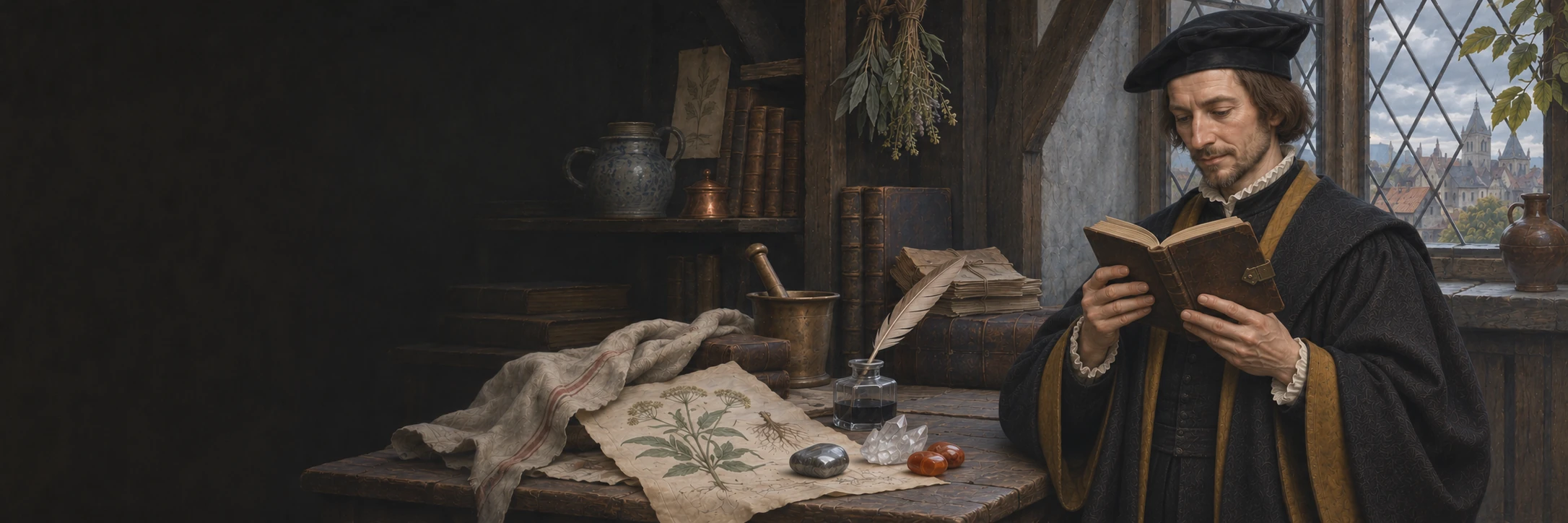
Lorenz Fries’ Spiegel der Artzney presents medical knowledge in German; the 1532 edition also stresses correction of the text.
Lorenz Fries
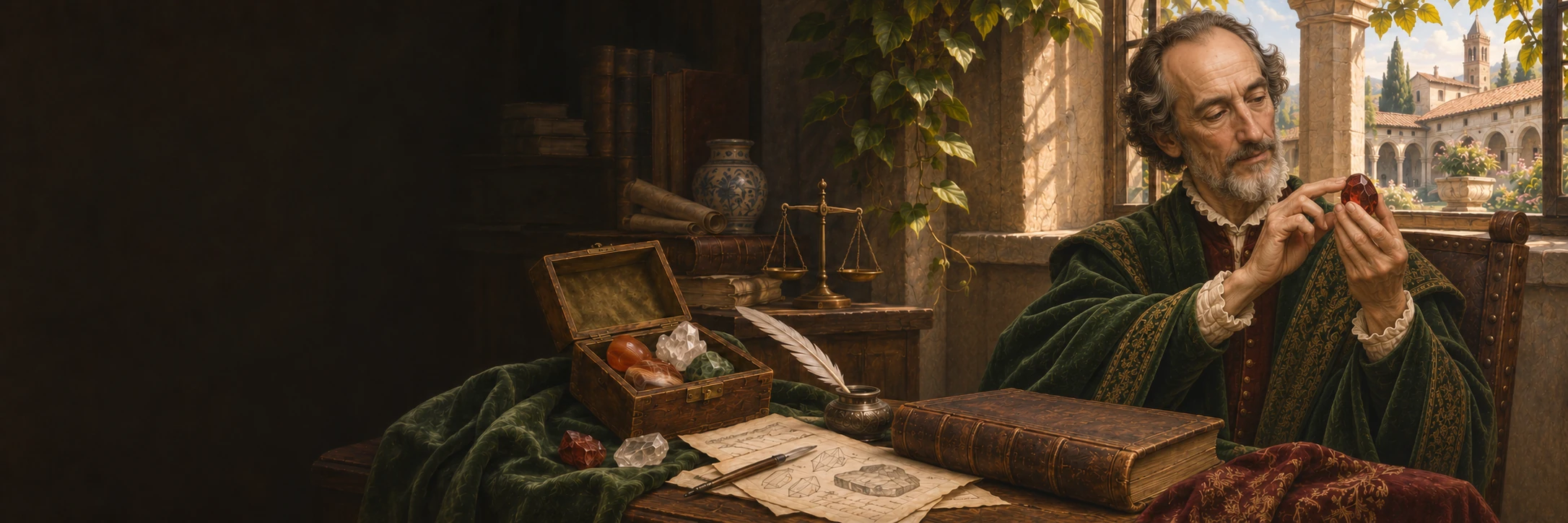
Leonardi’s Speculum lapidum combines descriptions of materials, a catalogue of stones and inherited ideas about engraved images.
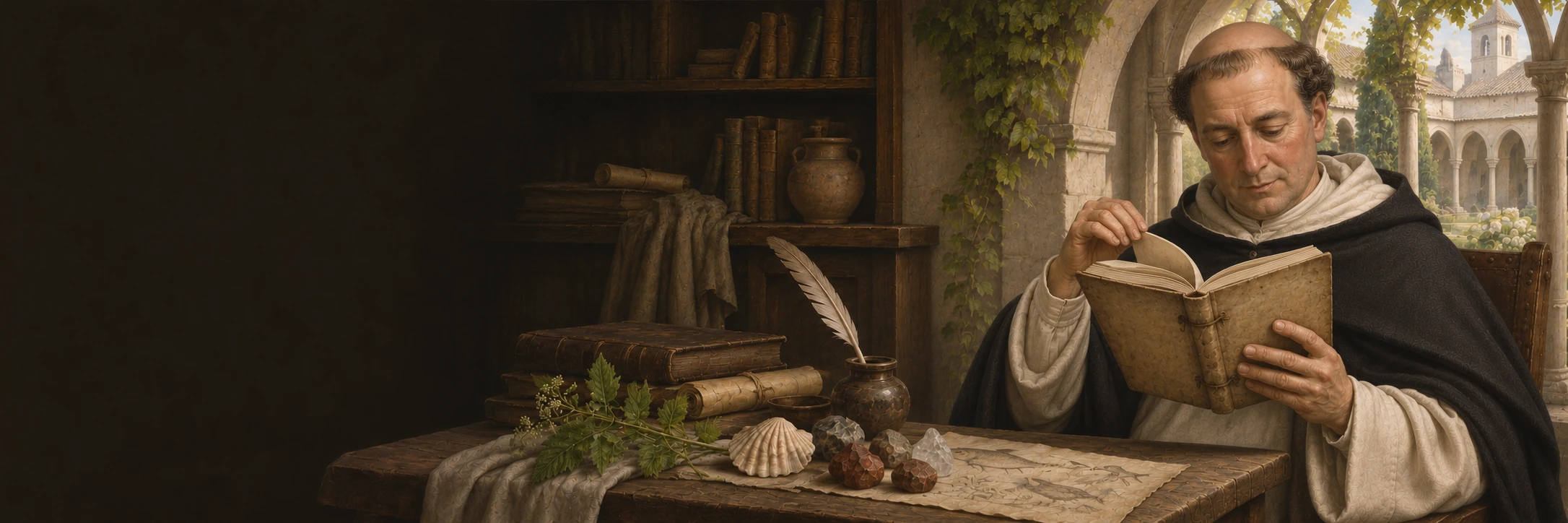
Stones have their place in the Liber de natura rerum: Thomas collects and organises inherited descriptions.
Thomas von Cantimpré
Liber de natura rerum. Sammelhandschrift Ms 77, fol. 75r–140r. Mittelalter.
 Cart