
 Phone: +43 677 628 66 628 |



John Muir
The whole wilderness seems to be alive and familiar, full of humanity. The very stones seem talkative, sympathetic, brotherly.
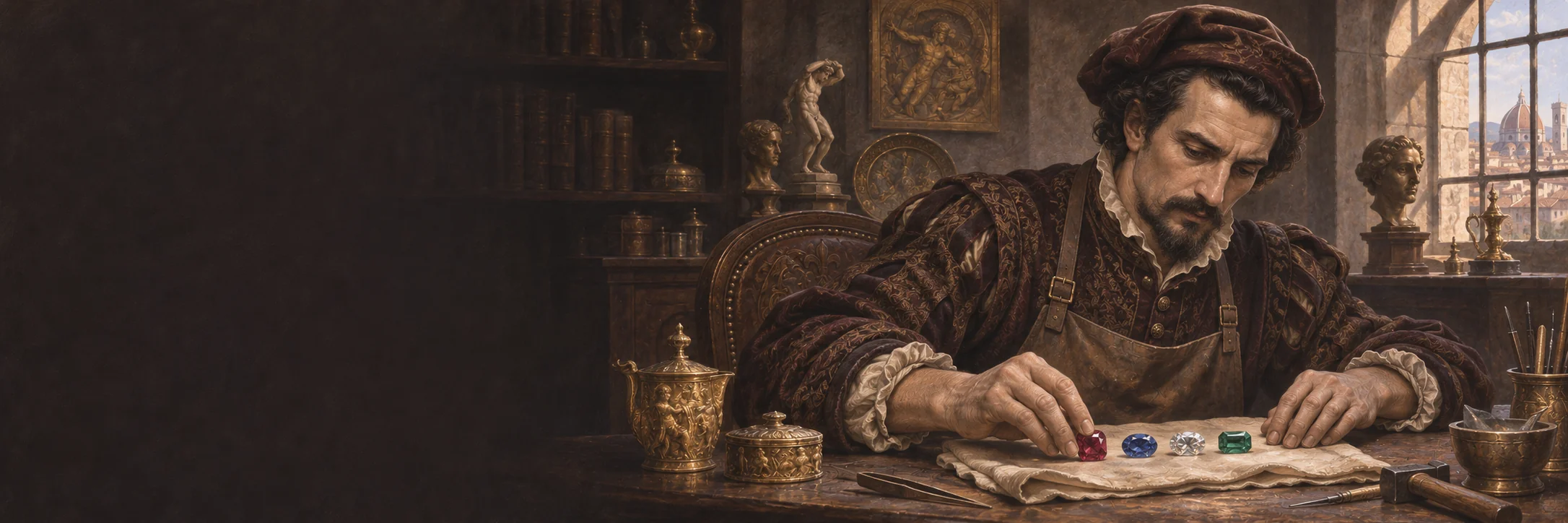
Benvenuto Cellini (1500–1571) was a Florentine goldsmith and sculptor. At the start of his treatise on goldsmithing he seems to lay four stones on the bench before his reader. To his eye their colours make a whole account of the world visible.
Ruby glows like fire and sapphire has the blue of air. With emerald Cellini adds a small landscape. Earth looks green when herbs grow on it. Inside transparent diamond he can even see water move. Colour, lustre and transparency are working together.
and how nature took the greatest care to represent the colours of those elements, painting them into four most excellent jewels, the ruby, the sapphire, the emerald and the diamond. For the glowing ruby shows us the colour of fire, the sky-blue and pale blue of the sapphire that of air, the cheerful colour of the emerald that of the earth as though covered with green herbs, and the transparent diamond that of water, seen in it clear, shining and rippling.[1]
Cellini is writing for readers who set stones. Soon he turns to the question of how a mount can bring out a jewel’s beauty. After his images of fire and water, a reader understands what a craftsman needs to watch for. A stone held securely in its setting can still move in the light.
 Search
The whole wilderness seems to be alive and familiar, full of humanity. The very stones seem talkative, sympathetic, brotherly.
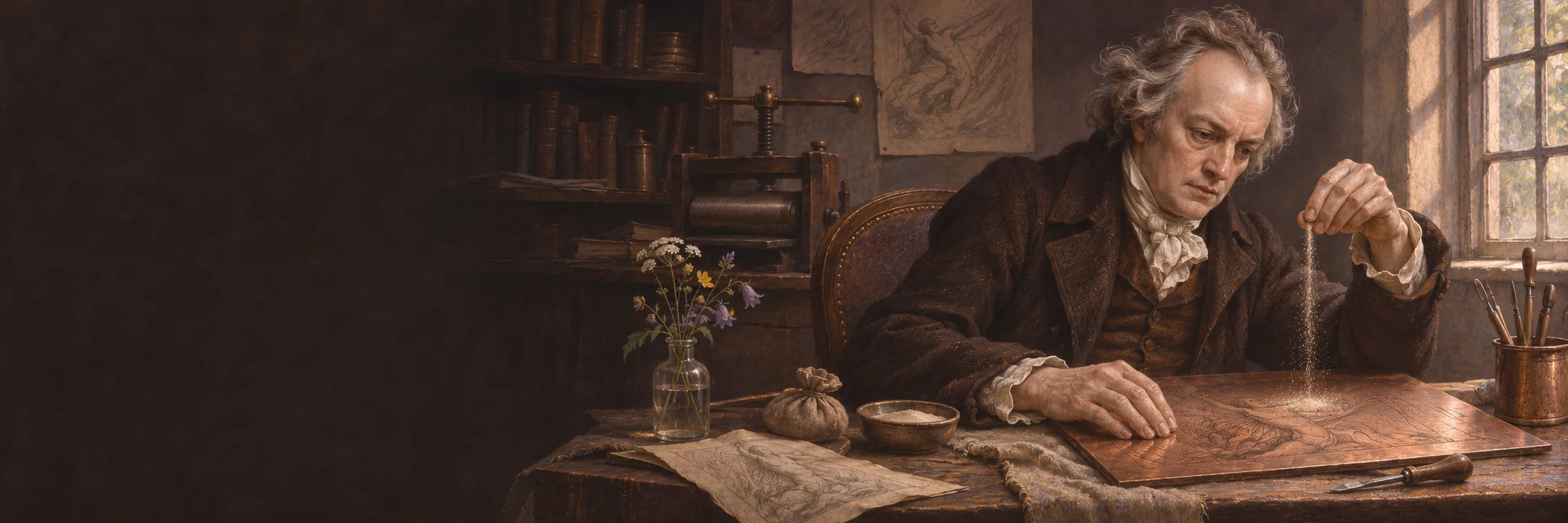
To see a World in a Grain of Sand, And a Heaven in a Wild Flower, Hold Infinity in the palm of your hand, And Eternity in an hour.
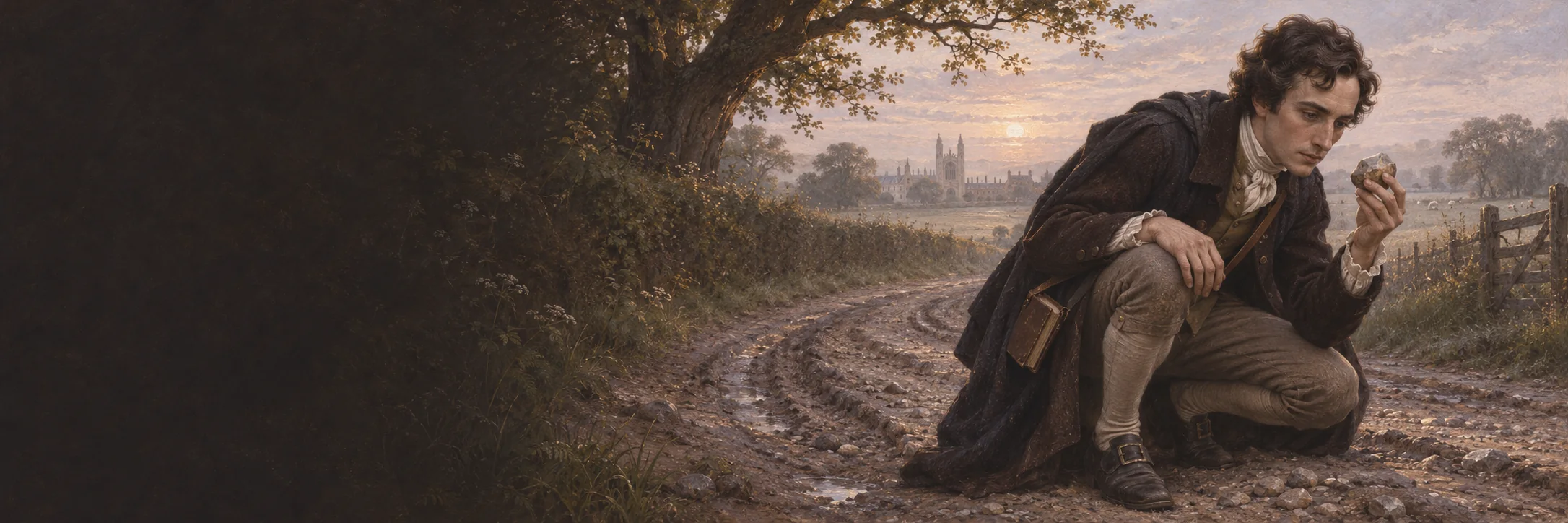
To every natural form, rock, fruit or flower, Even the loose stones that cover the high-way, I gave a moral life: I saw them feel […]
William Wordsworth (1770–1850)
 The Prelude, or Growth of a Poet’s Mind · p. 60–61
Original wording · Excerpt
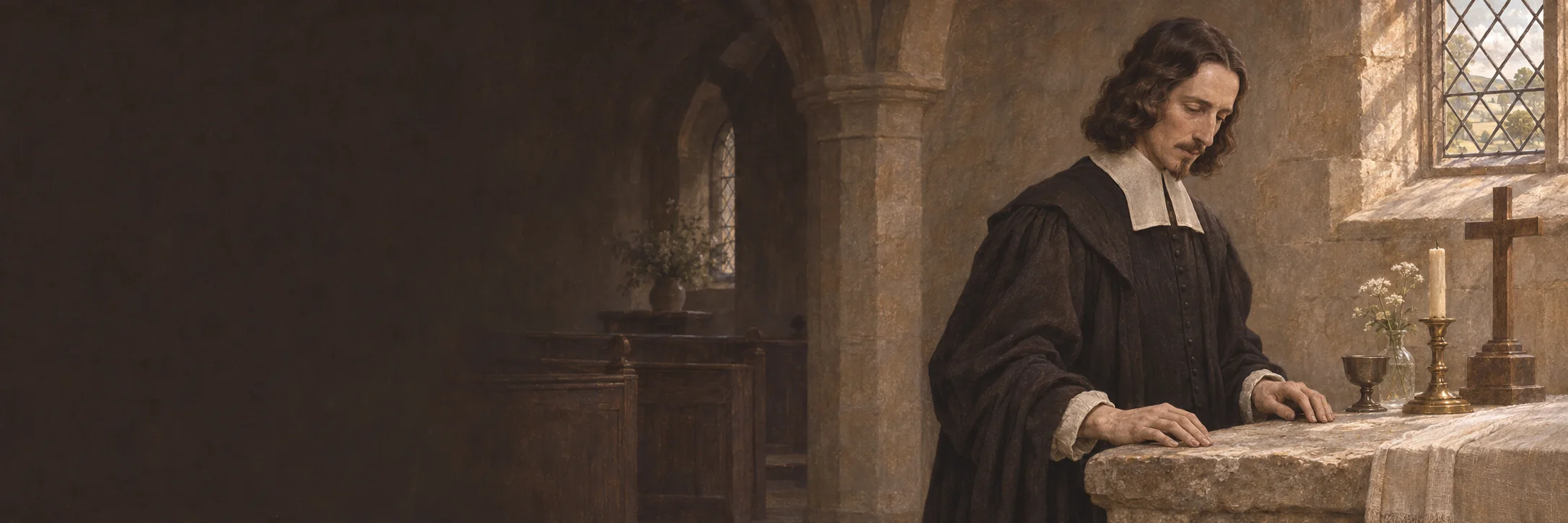
A Heart alone Is such a stone, As nothing but Thy pow’r doth cut.
George Herbert (1593–1633)
The Temple. Sacred Poems and Private Ejaculations · p. 18
Original wording
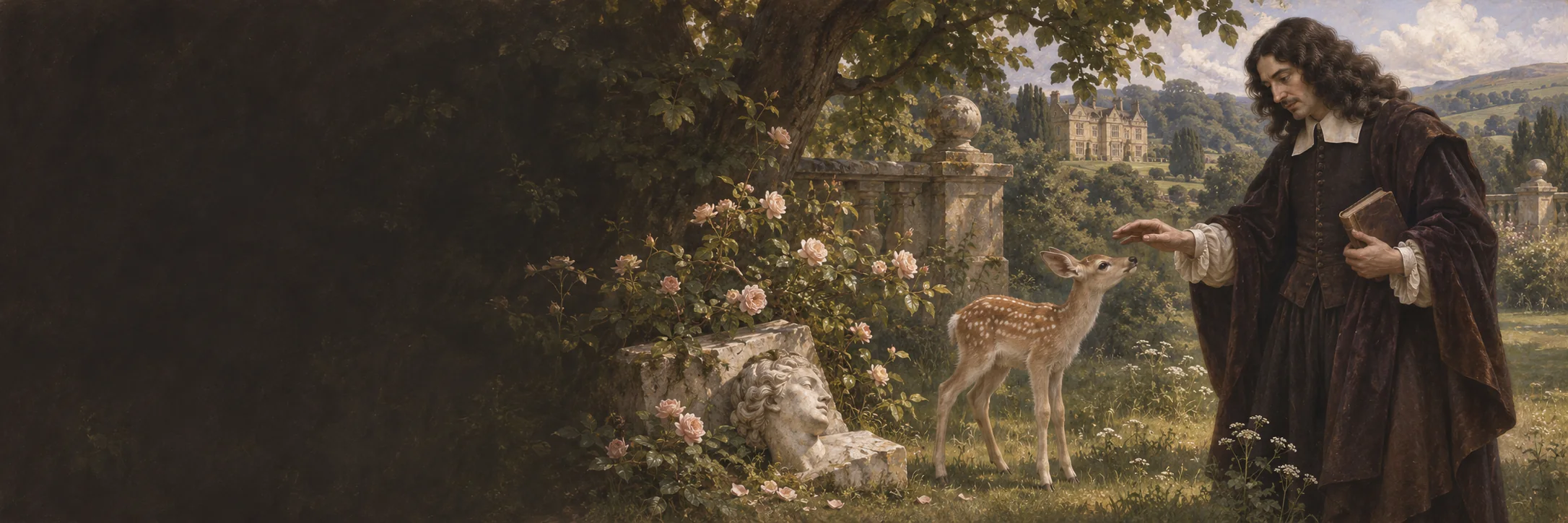
For I so truly thee bemoane, That I shall weep though I be Stone: Until my Tears, still dropping, wear My breast, themselves engraving there.
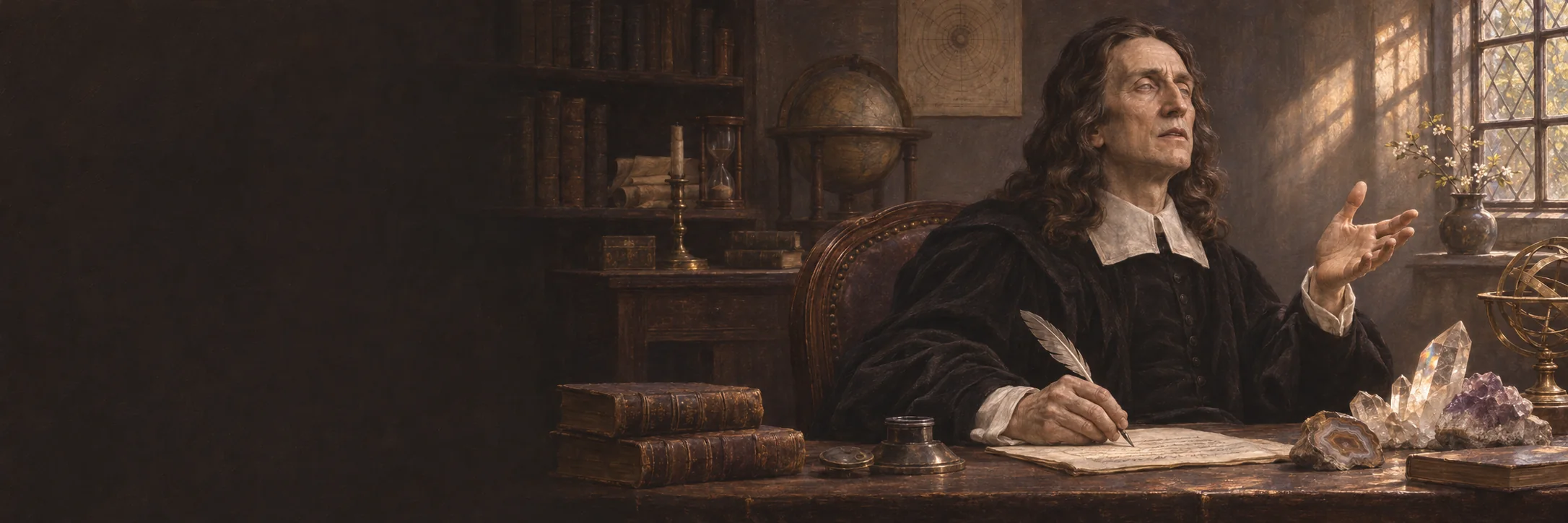
The arch-chemic sun, so far from us remote, Produces, with terrestrial humour mixed, Here in the dark so many precious things Of colour glorious and effect so rare?

The dust and stones of the street were as precious as gold: the gates were at first the end of the world.
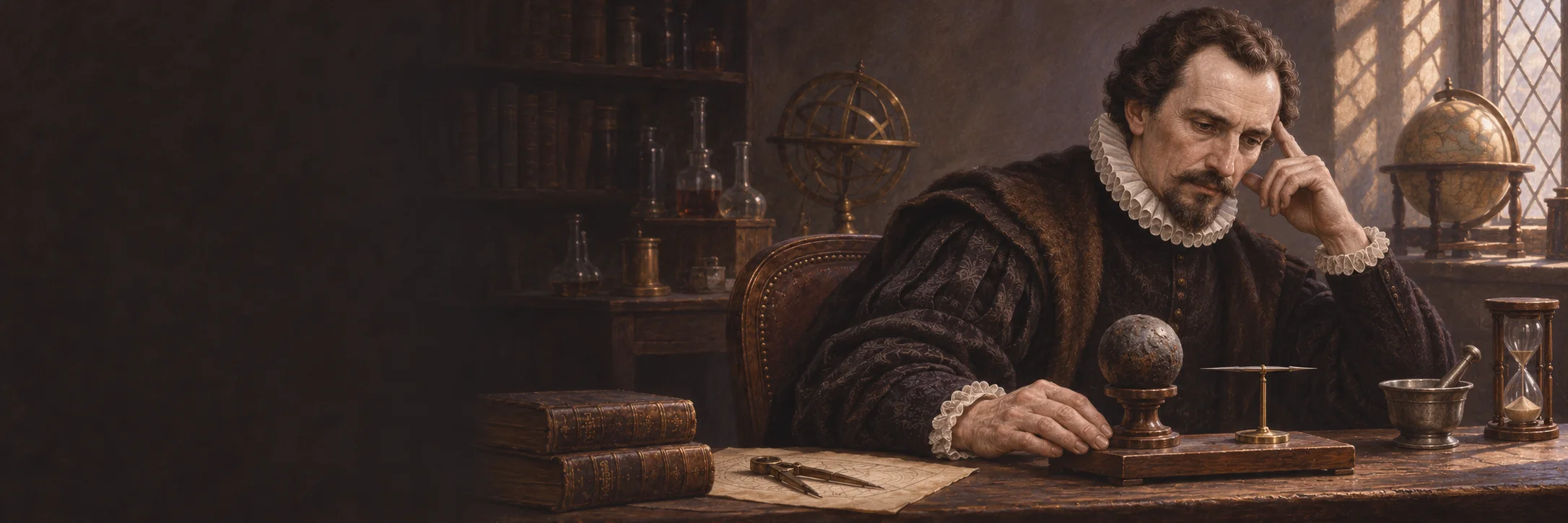
A loadstone is a wonderful thing in very many experiments, and like a living creature.
 Cart