
 Phone: +43 677 628 66 628 |


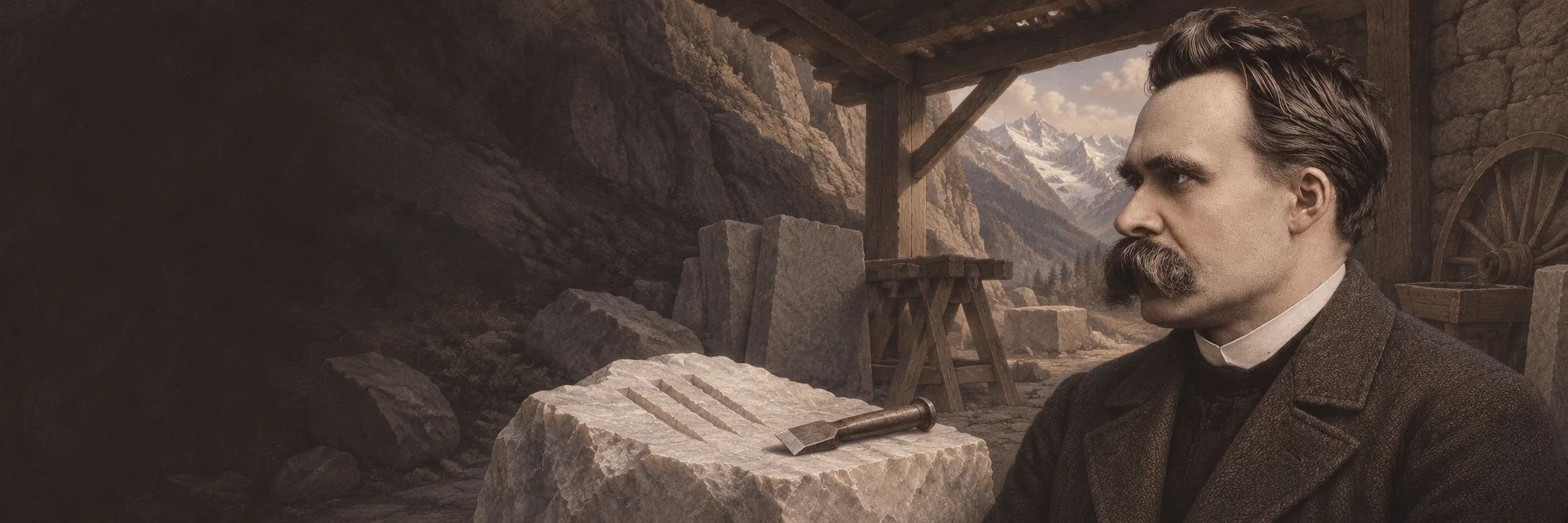
Friedrich Nietzsche
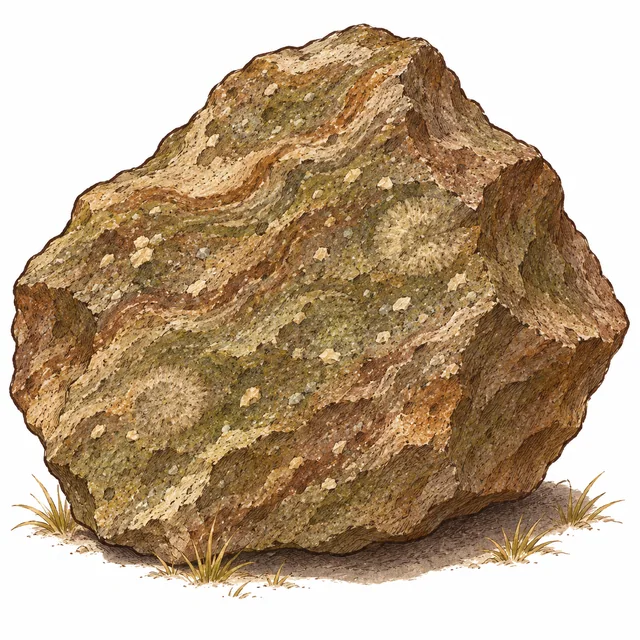
Ah, you human beings, an image lies asleep for me in the stone, the image of my images!
Friedrich Nietzsche (1844–1900)
 Also sprach Zarathustra · 1893 · p. 122
Excerpt. English translation from German.
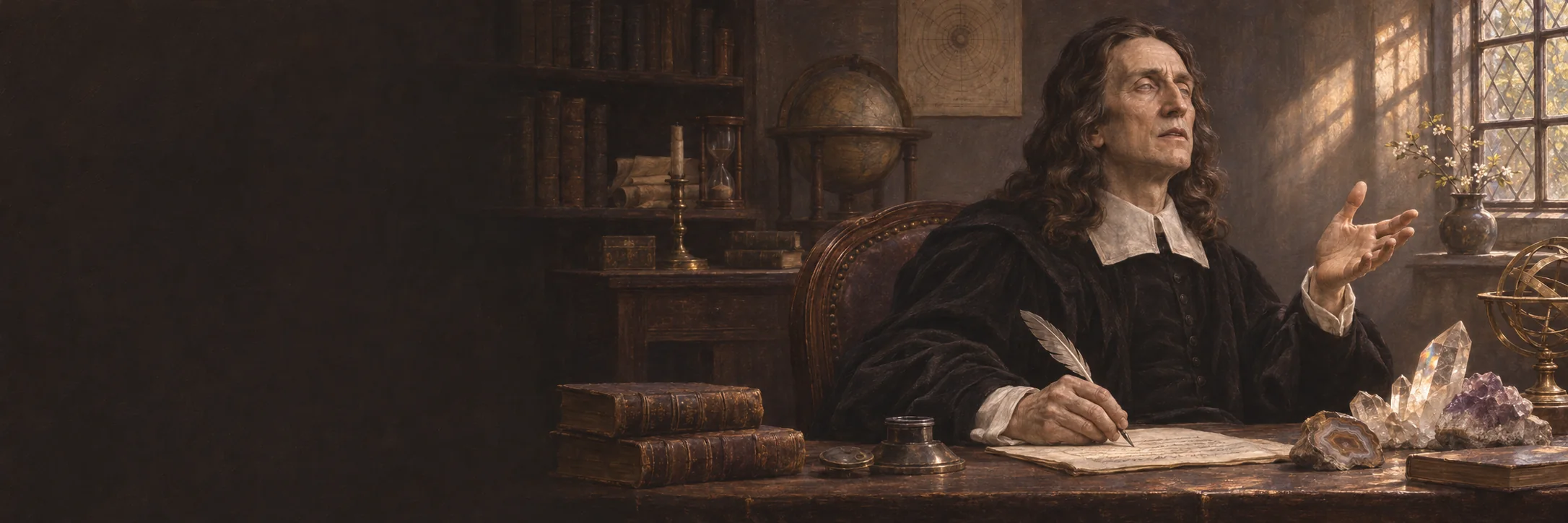
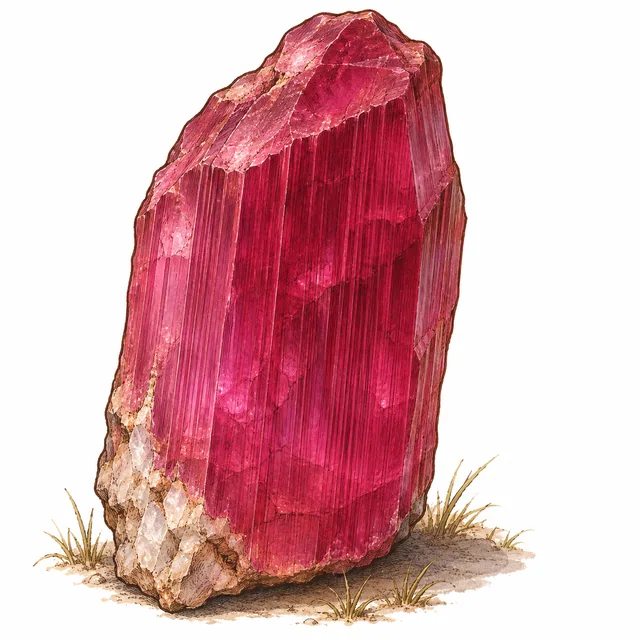
John Milton (1608–1674) was an English poet. In Book III of Paradise Lost Satan lands on the sun. To give a sense of its brightness, the narrator reaches for the lustre of earthly gems.
Among the examples are ruby and topaz. Then the comparison changes direction: sunlight may itself explain why such colours can come into being on the dark earth.
What wonder then if fields and regions here
Breathe forth elixir pure, and rivers run
Portable gold, when with one virtuous touch
The arch-chemic sun, so far from us remote,
Produces, with terrestrial humour mixed,
Here in the dark so many precious things
Of colour glorious and effect so rare?[1]
Milton casts the sun as master of an art the alchemists have long pursued in vain. The darkest place under the ground is precisely where it makes its finest colours. The contrast briefly bridges the distance between the surface of the sun and a stone in the earth. The Lovell printing reads “Portable gold”; Bodmer’s German edition has “trinckbarem Golde”, drinkable gold.
 Search
Ah, you human beings, an image lies asleep for me in the stone, the image of my images!
Friedrich Nietzsche (1844–1900)
Also sprach Zarathustra · 1893 · p. 122
Excerpt. English translation from German.
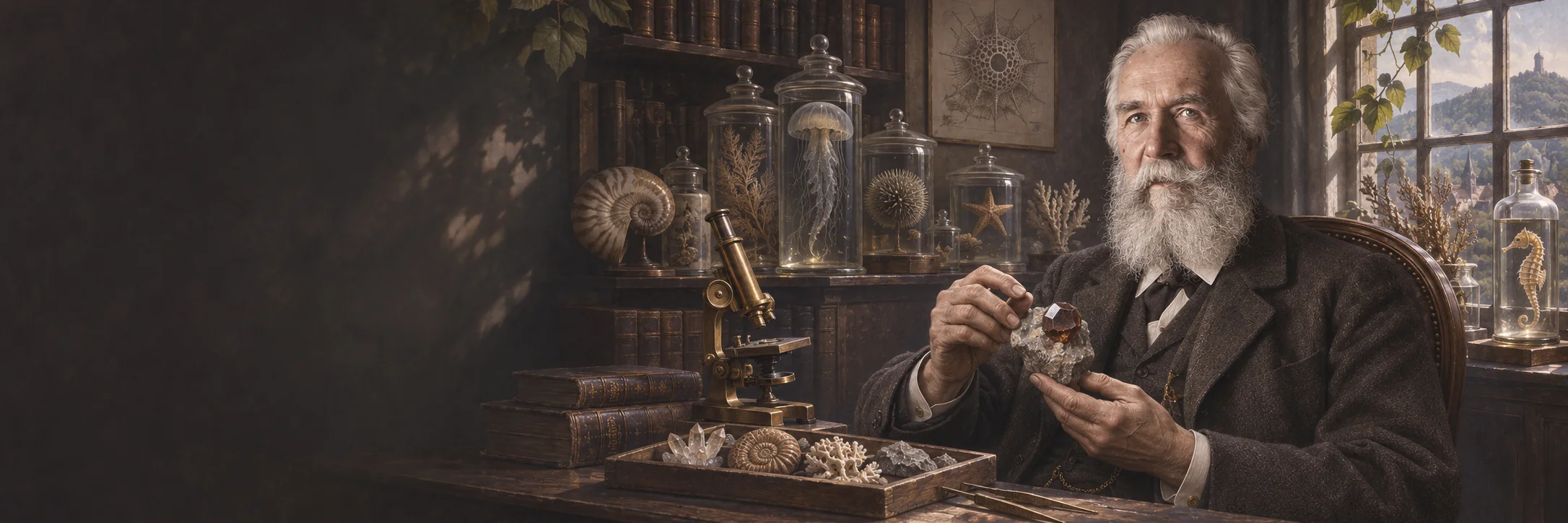
All substance possesses life, inorganic as well as organic; all things are animate, crystals as much as organisms.
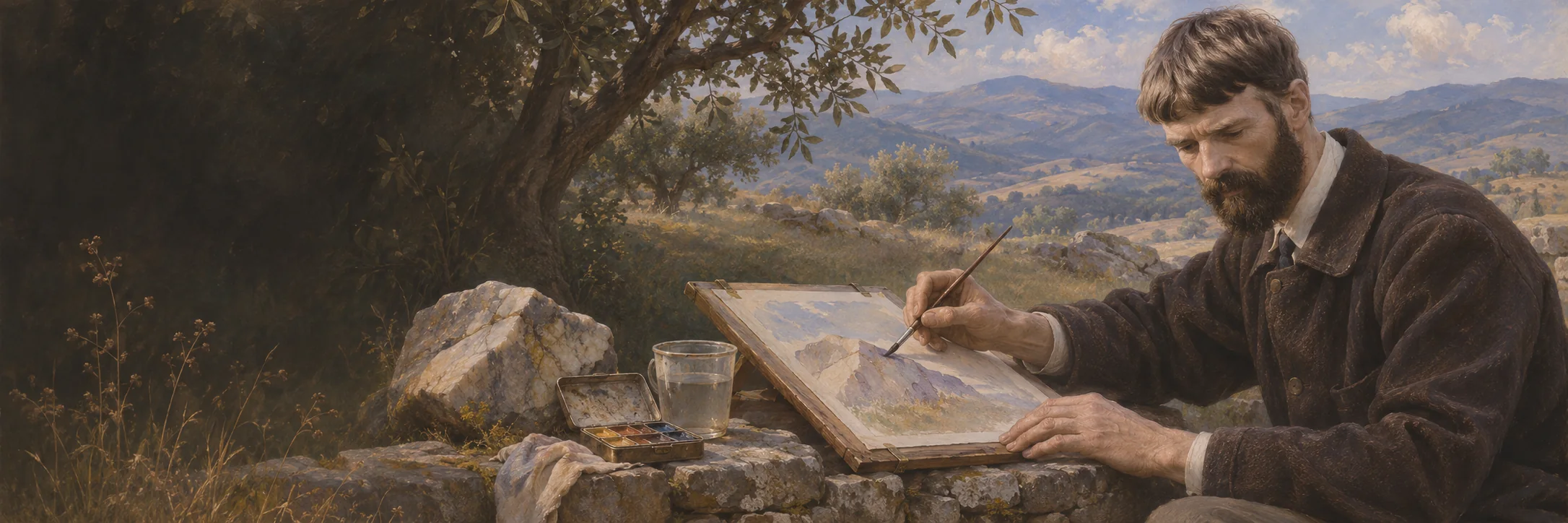
Everything that exists, even a stone, has two sides to its nature. It fiercely maintains its own individuality, its own solidity. And it reaches forth from itself in the subtlest flow of desire.
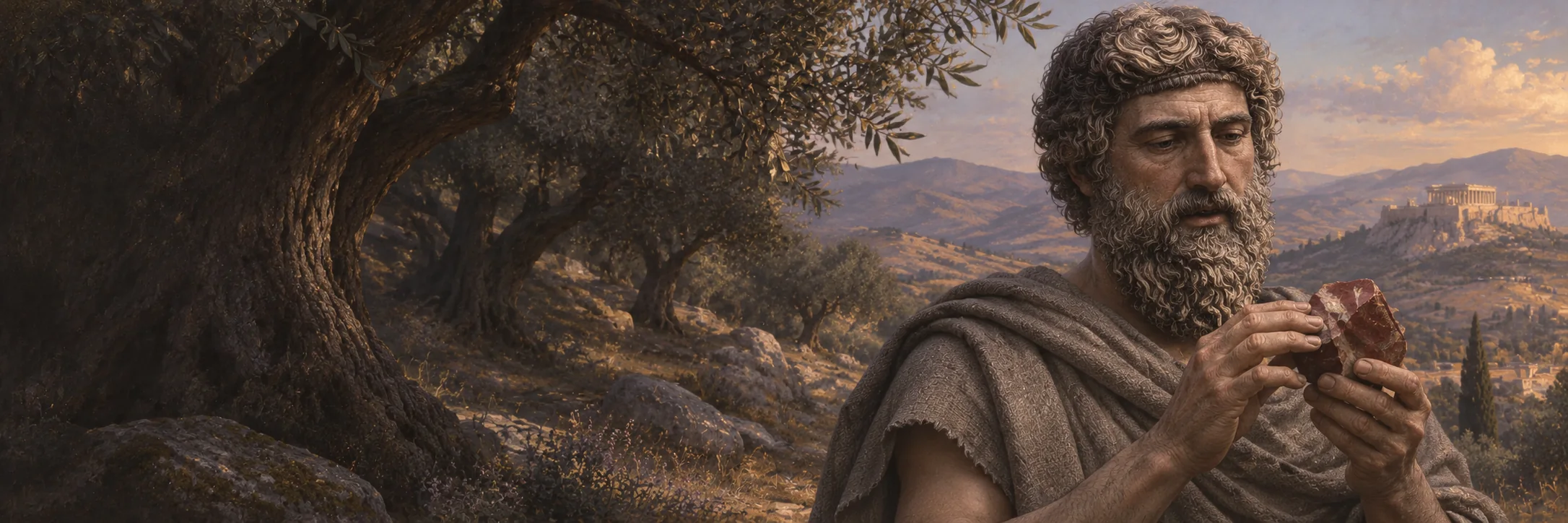
[…] but there all the stones are as our precious stones, and even more beautiful still.
Plato (c. 428/427–348/347 BCE)
Excerpt. English translation by F. J. Church.
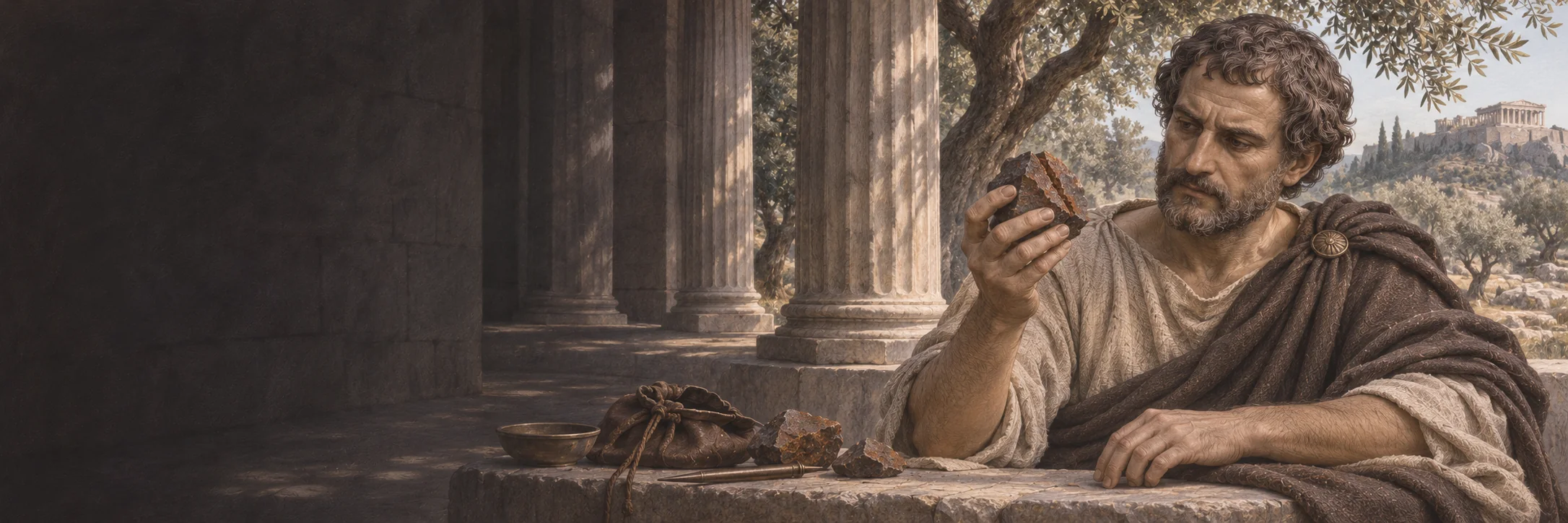
The vapour-like exhalation produces them all when it is trapped, particularly in stones.
Aristotle (384–322 BCE)
Meteorologica · III, 6 (378a) · p. 106
Excerpt. Our translation from the Greek.
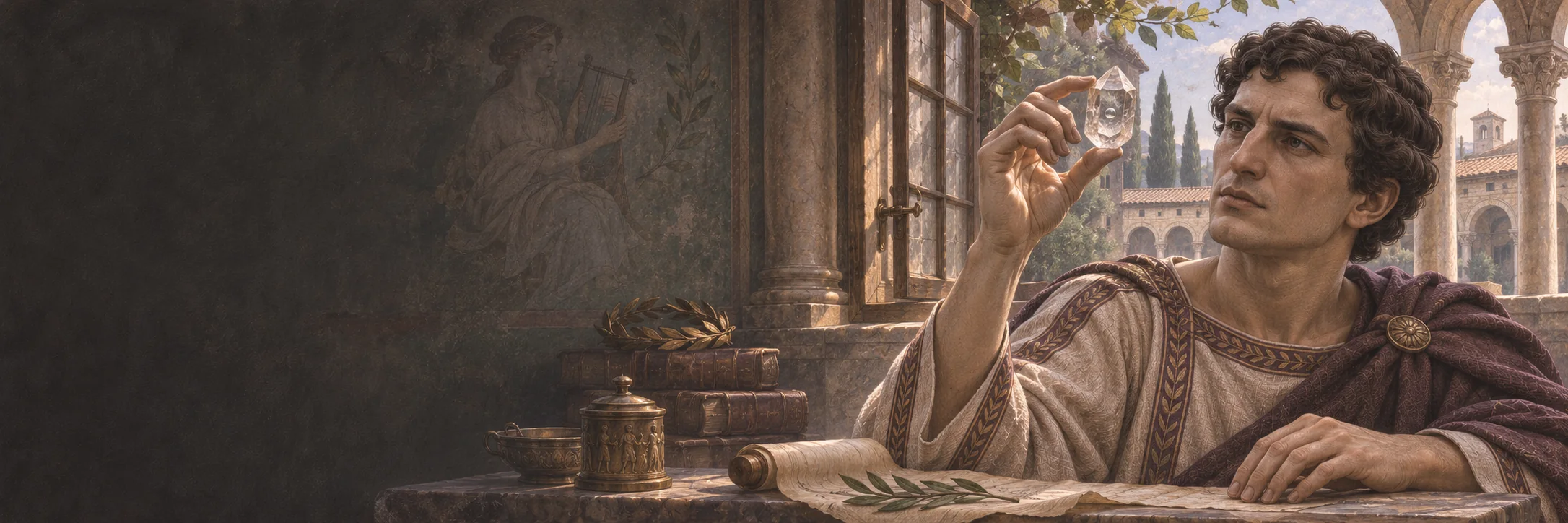
What warmth enclosed within keeps the waters safe? What south wind melted the ice inside?
Claudian (c. 370–c. 404)
Carmina minora · XXXIV (LVII) · p. 250
Lines 5–6. Our translation from the Latin.
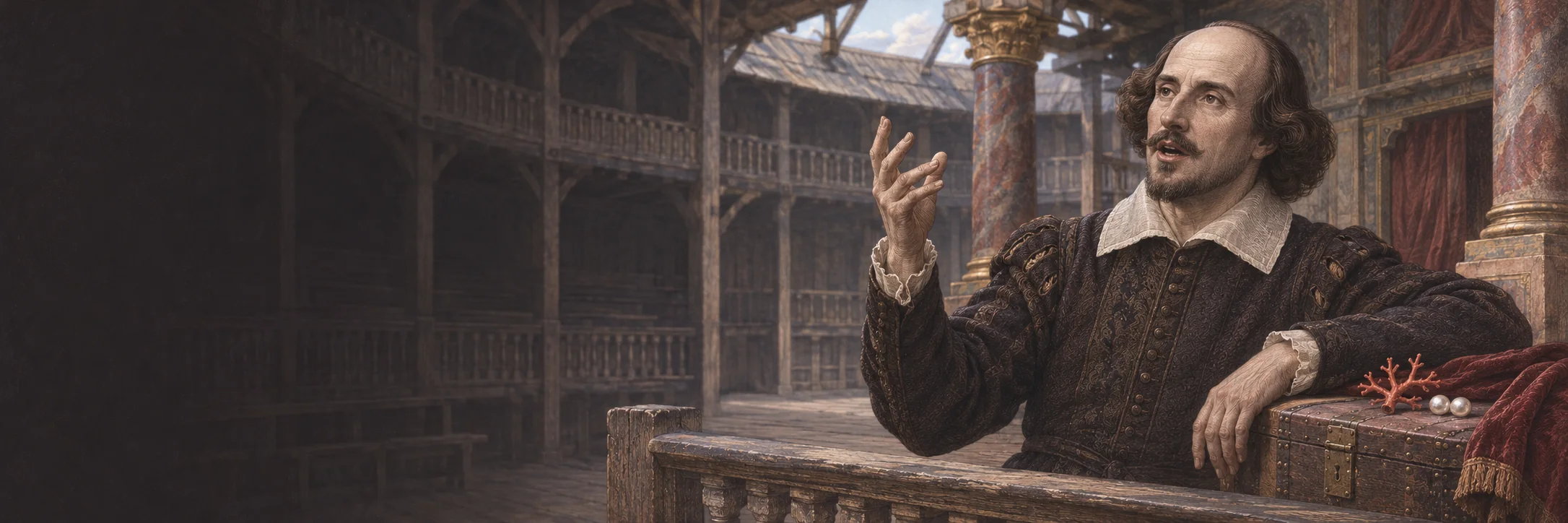
Of his bones are coral made; / Those are pearls that were his eyes:
William Shakespeare (1564–1616)
Excerpt from Ariel’s song in the English original.
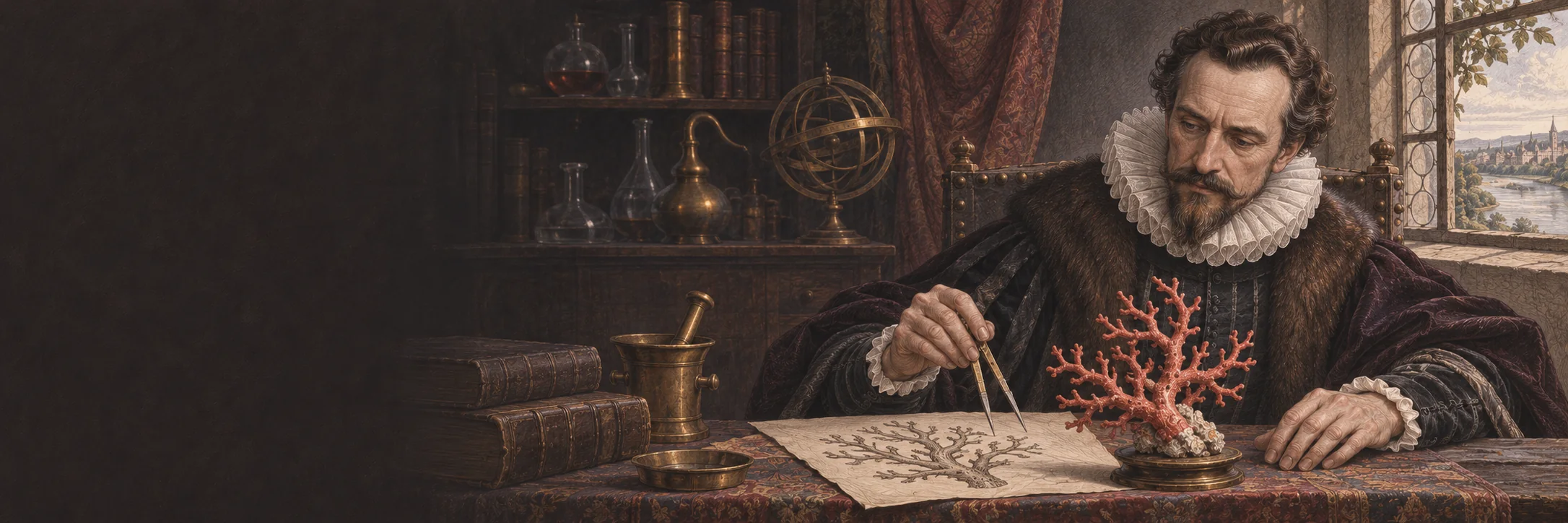
As coral grows under water and hardens in the air, so does the stone.
Michael Maier (1568–1622)
Atalanta fugiens · Emblema XXXII · p. 137
Our translation of the Latin motto.
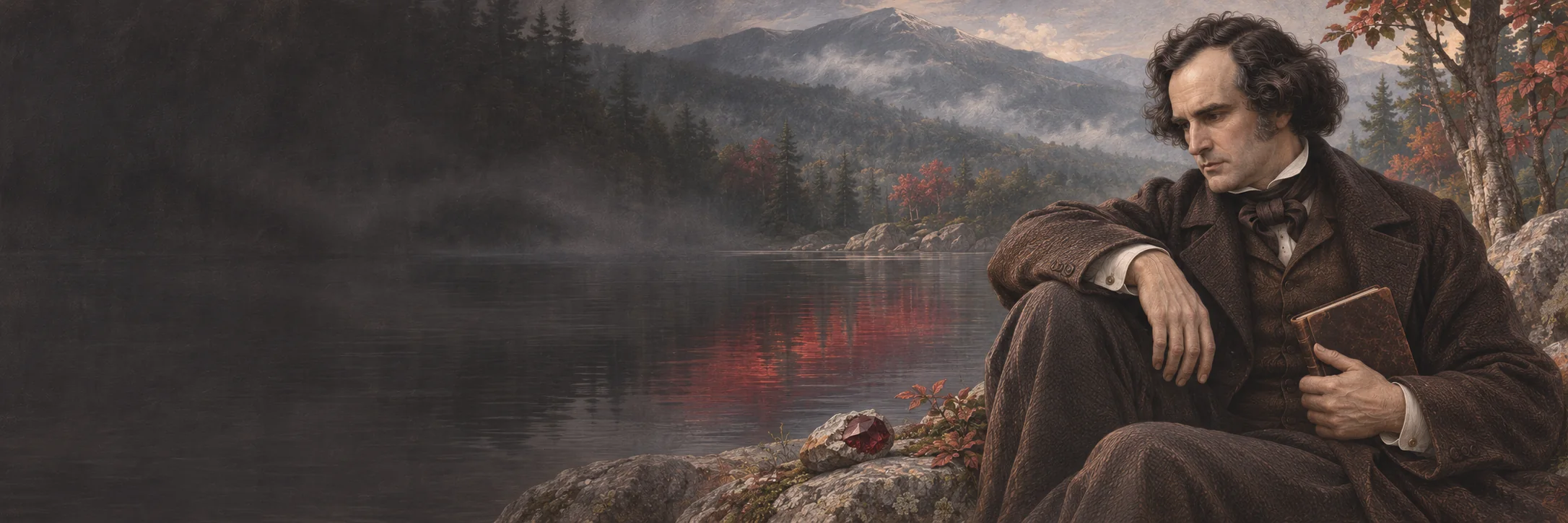
They seemed changed to one another’s eyes, in the red brilliancy that flamed upon their cheeks, while it lent the same fire to the lake, the rocks, and sky, and to the mists which had rolled back before its power.
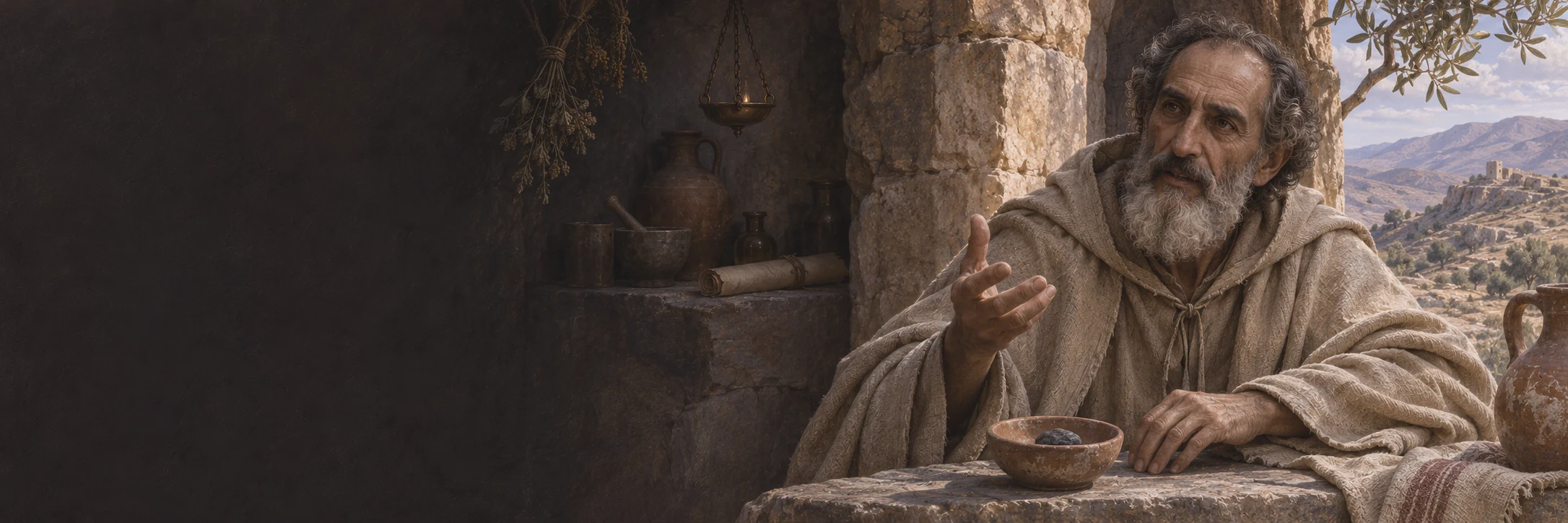
For this stone contains the four elements. It resembles the world and the way the world is put together.
Morienus Romanus (dates unknown)
De transfiguratione metallorum · Dialog mit König Calid · 1559 · fol. 23r
Our translation from Latin
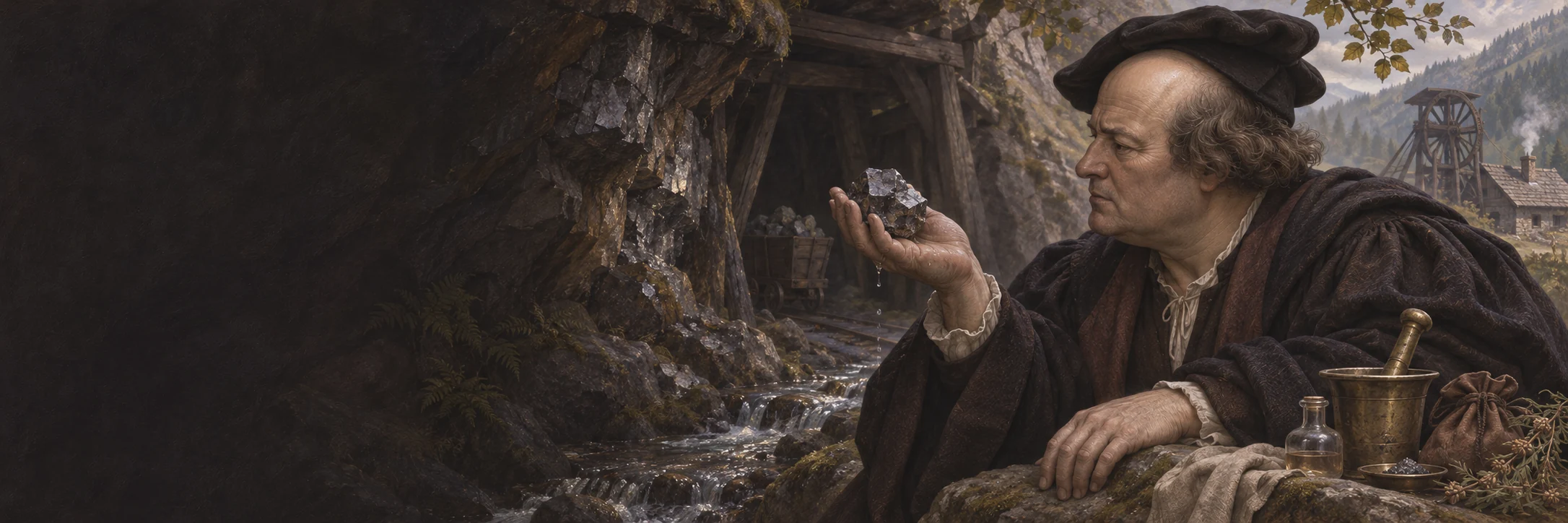
[…] the root of minerals is in the water, as the root of trees and herbs is in the earth.
Paracelsus (1493/94–1541)
A Book about Minerals · 1894 · p. 241
Translation by A. E. Waite · excerpt

We see that fire gives motion to all things. For dense and cold things, such as stones, frozen water, plants and earth, have no motion. But when fire resolves them into smoke and finer vapour, they all move and impart motion to the things to which they attach themselves.
Tommaso Campanella (1568–1639)
Del senso delle cose e della magia · II, 8 · 1925 · p. 53
Our translation from Italian
 Cart