
 Phone: +43 677 628 66 628 |


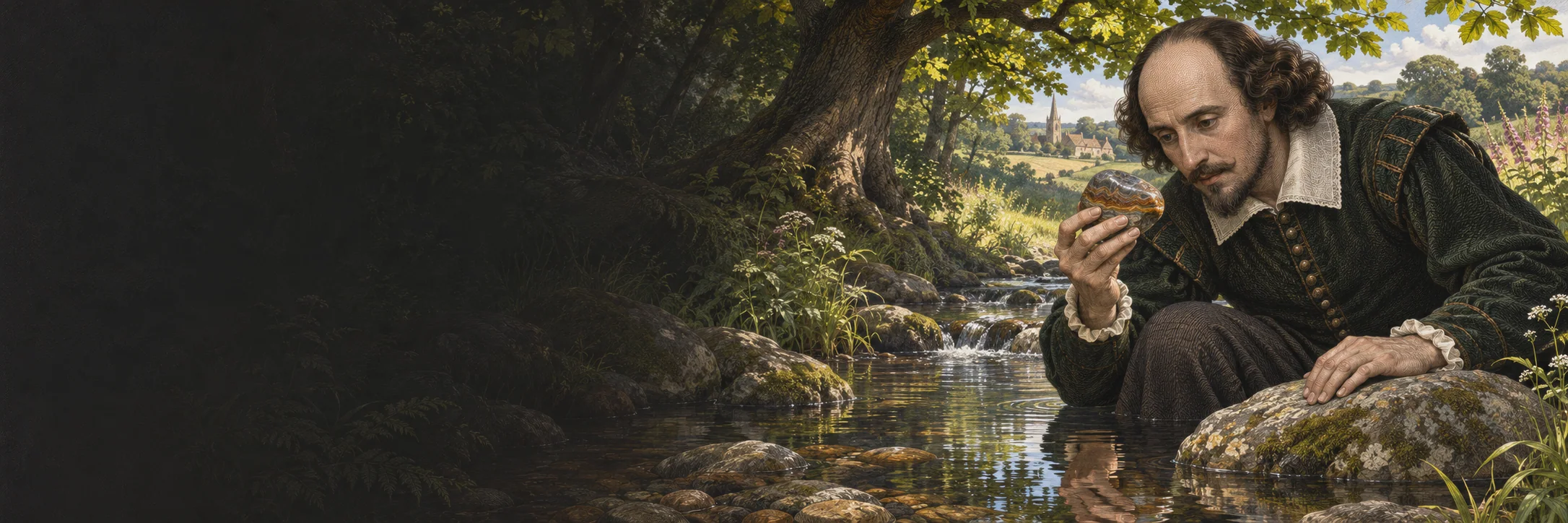
William Shakespeare
And this our life exempt from public haunt Finds tongues in trees, books in the running brooks, Sermons in stones and good in every thing.
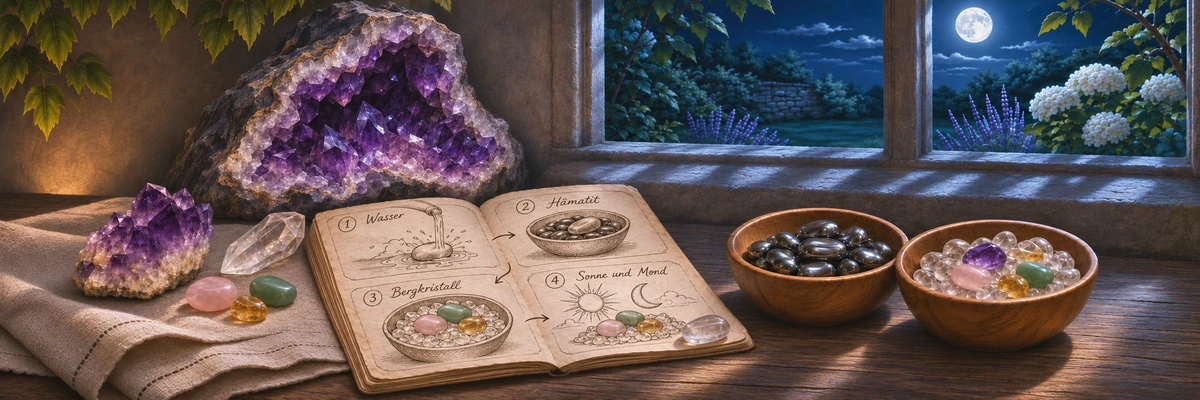
In contemporary crystal healing, small hematite stones are used to discharge other stones, while rock crystals are used to charge them. Running water, sunlight and moonlight are also used. Behind these practices lies the idea that stones absorb outside influences during use and that special treatment can strengthen their powers again.[1]
The idea that stones could lose and regain their powers also appears in the work of Konrad von Megenberg in the fourteenth century. In the sixth part of his Book of Nature, one chapter is entitled “Wie man die stain widerpringt an iren kreften” — how to restore stones to their powers. According to the belief recorded there, contact with sinful people could impair the powers of stones.[2]
Their renewal was to take place through consecration. The stones were to be wrapped in a linen cloth and placed on the altar, where they would remain until the end of Mass. Afterwards, the priest, still wearing his vestments, was to pronounce a blessing. Konrad writes:
“Thus the precious stones regain their powers through consecration and holy blessing.”[2]
The Latin prayer recalls the twelve precious stones of the high priest’s breastplate and the heavenly Jerusalem. It asks God to make effective the powers he has bestowed upon the stones.[2]
More recent crystal literature introduces other explanations. In Crystal Enlightenment, published in 1985, Katrina Raphaell describes how stones should be cleansed under running water and then placed in the sun. Another option is to let them rest on a rock crystal cluster, around which she arranges four individual crystal points. She connects the reflection of light at the points with a supposed force field that supplies itself with energy.[3]
In his 2008 guide, Michael Gienger explicitly distinguishes between discharging, cleansing and charging. In his explanatory model, absorbed energies are to be drained away, foreign “information” removed and the stones’ own properties activated. He treats hematite as a less effective method than running water. For charging, he names rock crystal clusters or small tumbled rock crystals, as well as sunlight and moonlight.[1]
In this interpretation, illuminationism provides the conceptual foundation for charging in sunlight and moonlight. Light is understood as the carrier of a power that can pass into a stone and strengthen its properties. For the twelfth-century Persian thinker Suhrawardī, it serves as a fundamental concept for knowledge and the order of reality. His teachings were later also received in India.[4][5]
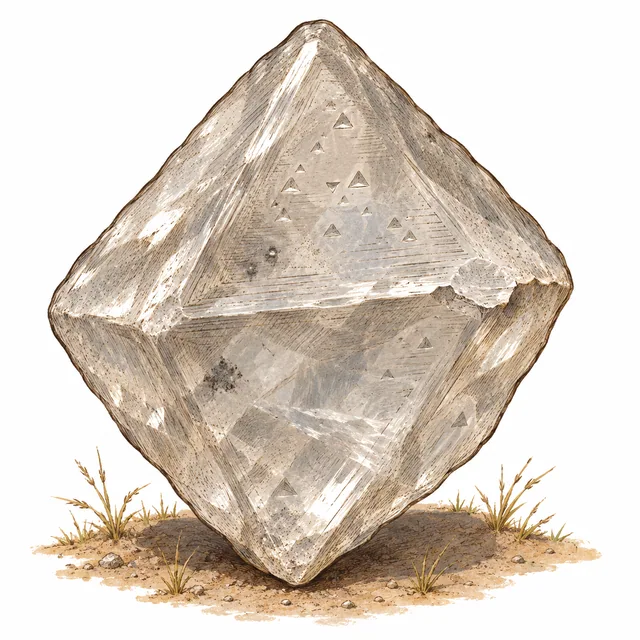
Modern esotericism transfers the idea of light as a carrier of power to the charging and discharging of stones.[1][3] In this model, pale rock crystal represents the reflection and transmission of light and energy, while dark hematite represents their absorption. White and black correspond to supplying and removing energy: rock crystal is intended to charge, hematite to discharge.
 Search
And this our life exempt from public haunt Finds tongues in trees, books in the running brooks, Sermons in stones and good in every thing.
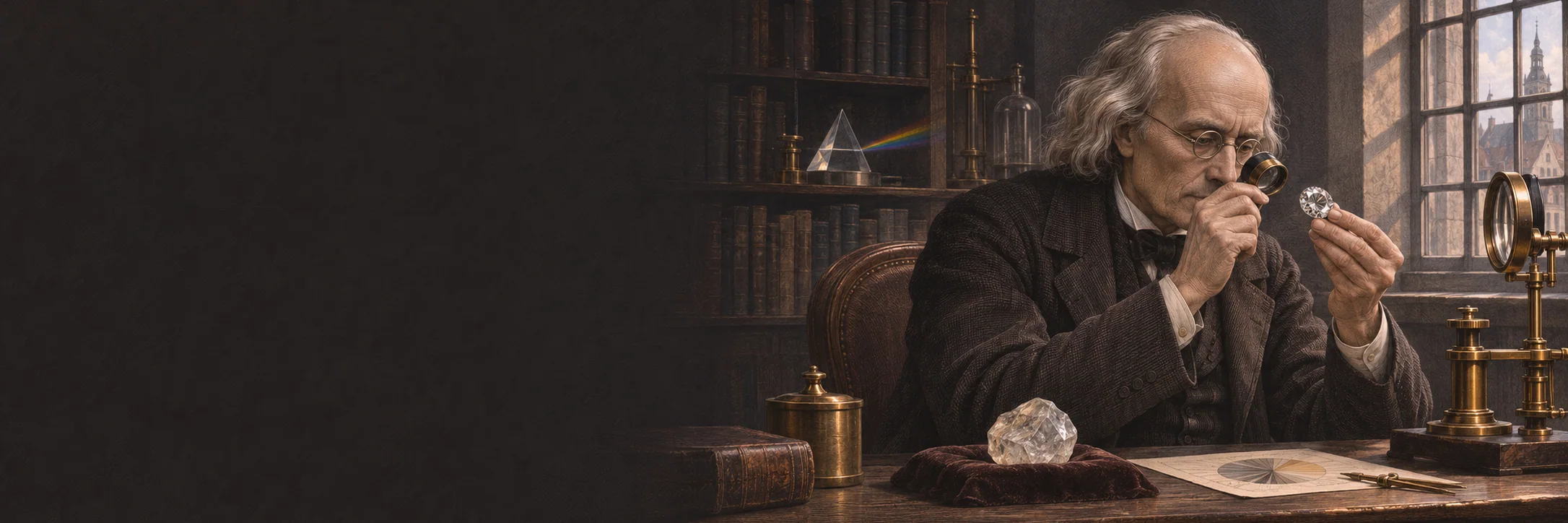
And so the diamond would have the loveliest of all these little souls, the cut diamond even one shaped and ennobled by education; loveliest of all if it is the diamond on the finger of a woman who has a still higher and lovelier soul in the head above it.
Gustav Theodor Fechner (1801–1887)
 Die Tagesansicht gegenüber der Nachtansicht · p. 87
Our translation
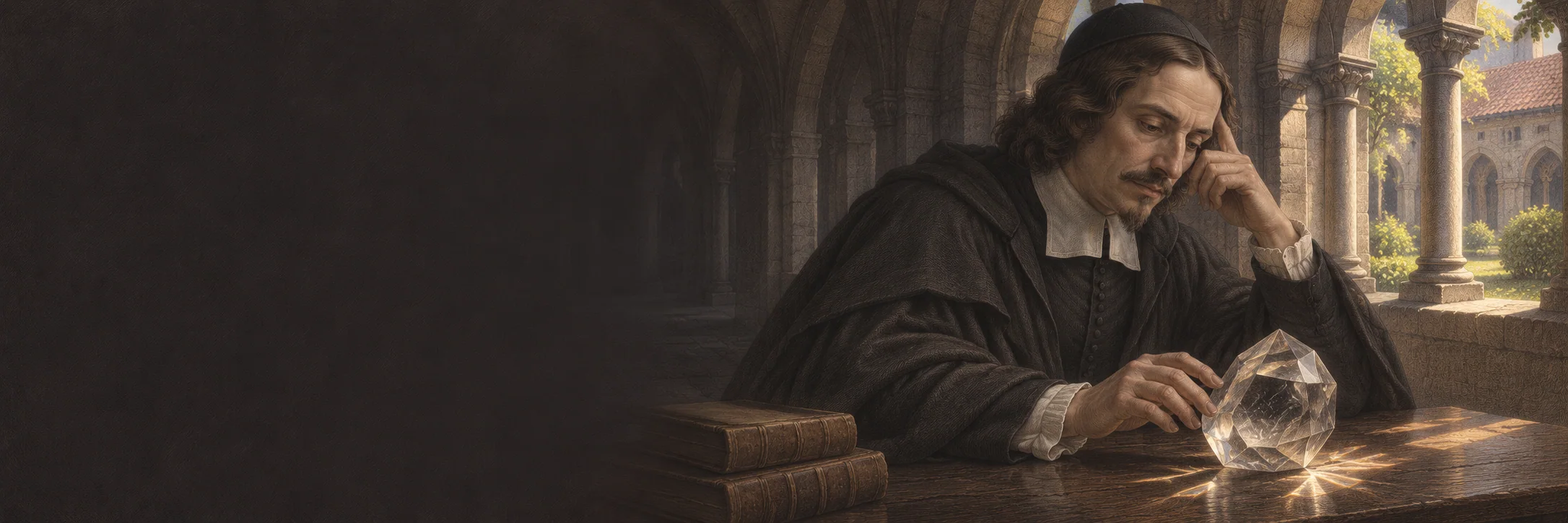
The soul is a crystal, the Godhead is its light: The body in which you live is the shrine of both.
Angelus Silesius (1624–1677)
Des Angelus Silesius Cherubinischer Wandersmann · p. 75
Our translation
My soul now resembles a crystal That no false ray of light has yet struck; […]
[…] I am earth and air in one; part of that blue heaven which you love, and long for, is already in me […]
[…] the curse of all the heart-aches and blasted hopes had made its every stone thirsty and hungry […]
Rabindranath Tagore (1861–1941)
The Hungry Stones and Other Stories · p. 23–24
Historical English translation, 1916 · excerpt
The primordial crystal is the diamond of the earth, in which every eye delights, recognising it as the first-born son of light and gravity.
Georg Wilhelm Friedrich Hegel (1770–1831)
Vorlesungen über die Naturphilosophie · p. 280
Our translation
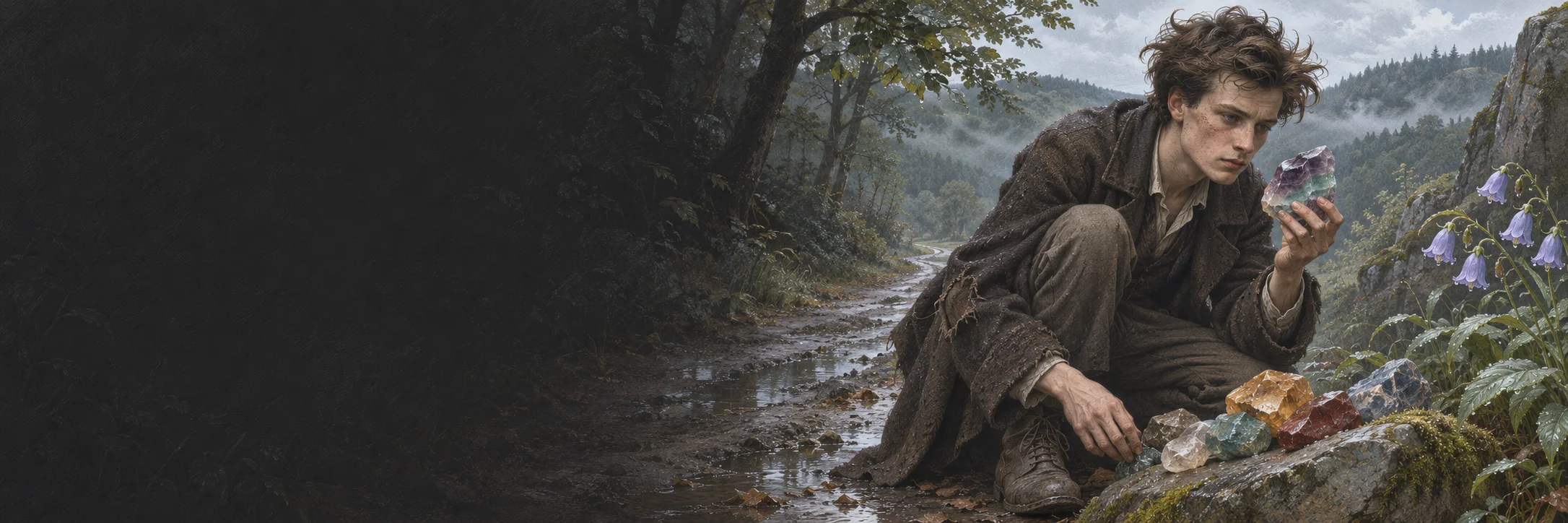
I walked on, waking the living, warm breaths; and the jewels looked, and wings rose without a sound.
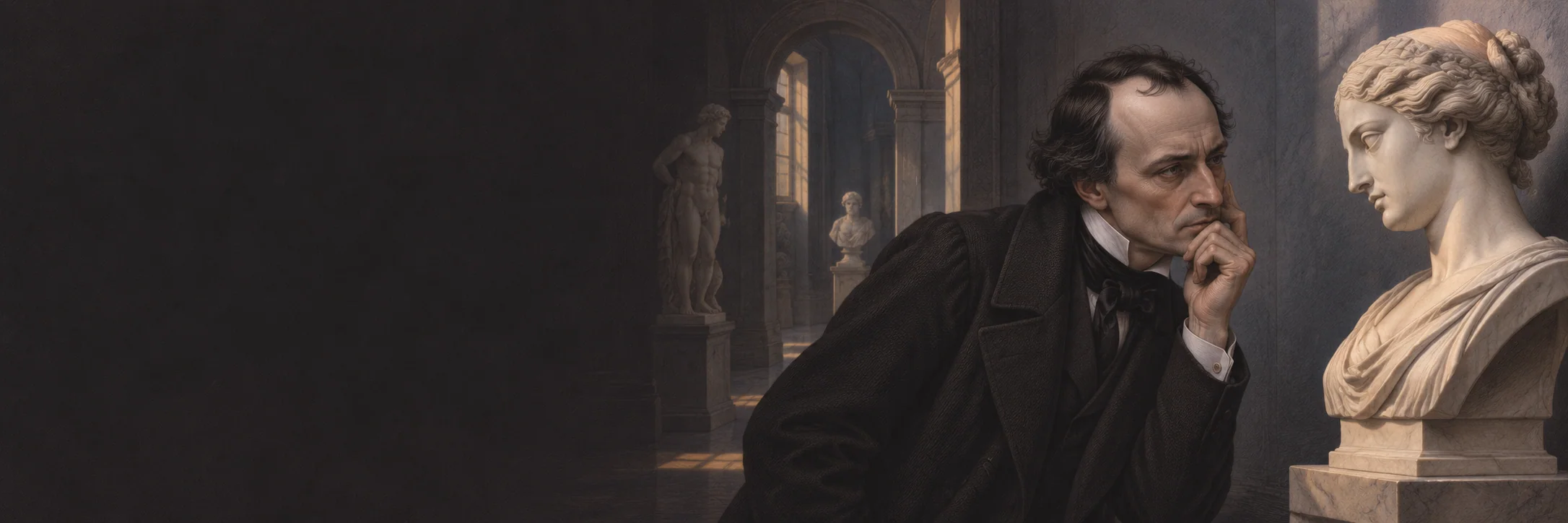
I am beautiful, mortals, like a dream of stone, And my breast, on which each in turn has bruised himself, Is made to inspire in the poet a love As eternal and mute as matter.

The secret strength of things Which governs thought, and to the infinite dome Of heaven is as a law, inhabits thee!
Percy Bysshe Shelley (1792–1822)
The Poetical Works of Percy Bysshe Shelley, III · p. 33
Original wording
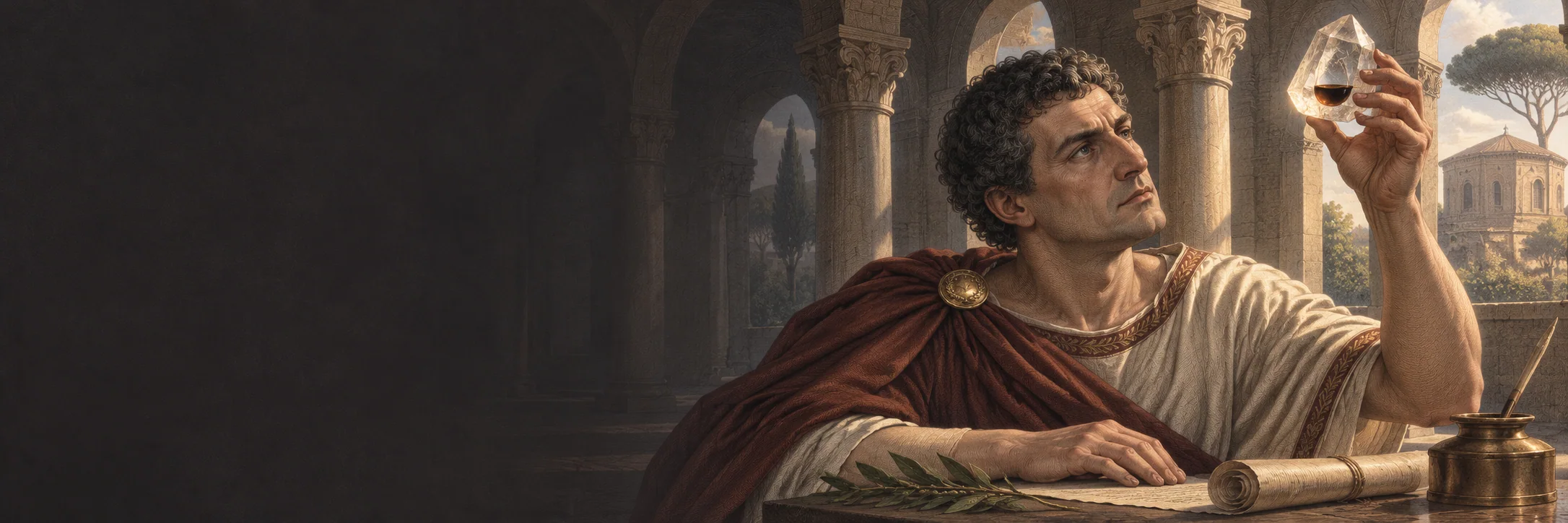
Marvellous stone and marvellous water! With good reason it surpasses rivers and stones, for it flows and is a stone.
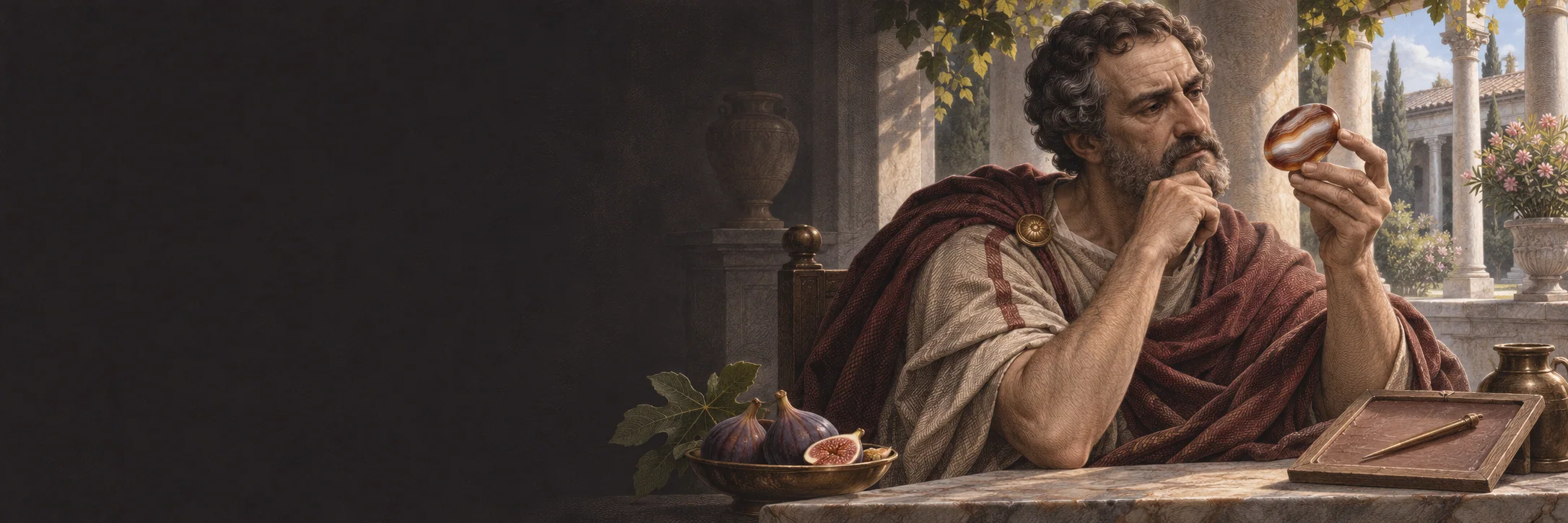
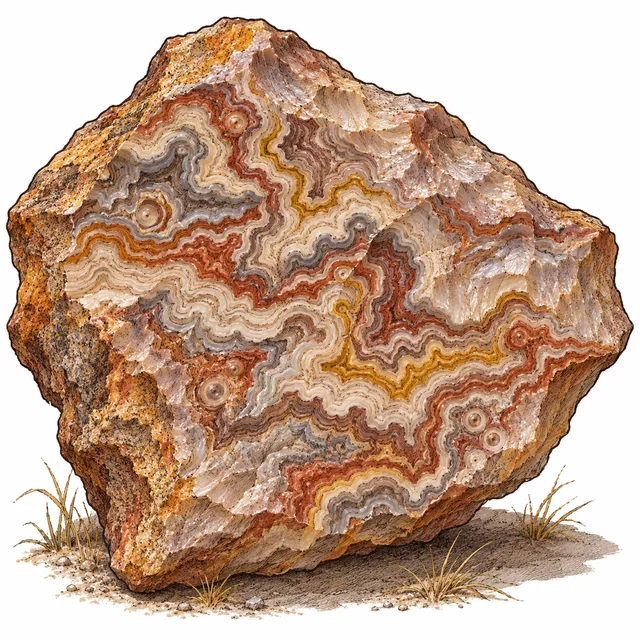
For he is said to have owned an agate in which the nine Muses and Apollo playing the lyre could be seen, not by art but because the markings naturally distinguished themselves so well that even the individual Muses had their own attributes.
Pliny the Elder (23/24–79)
C. Plini Secundi Naturalis historiae libri XXXVII, V · p. 382
Our translation
 Cart