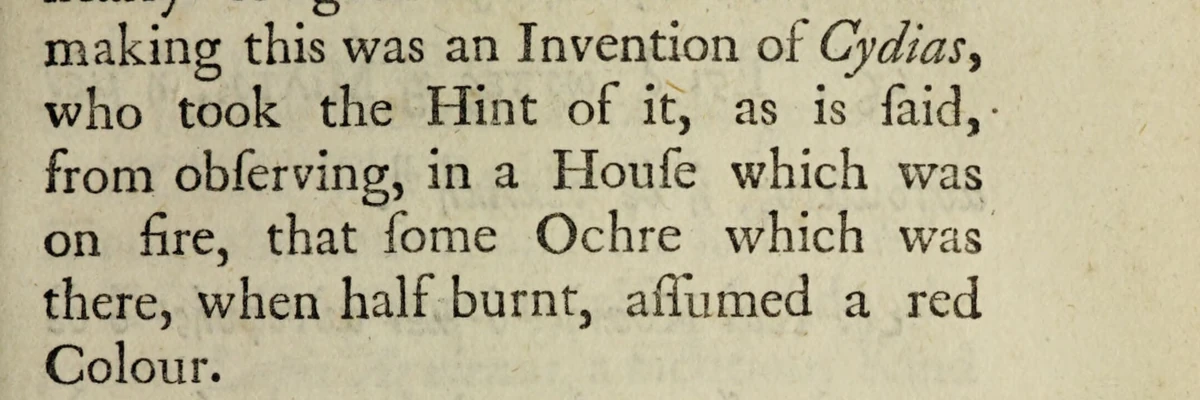
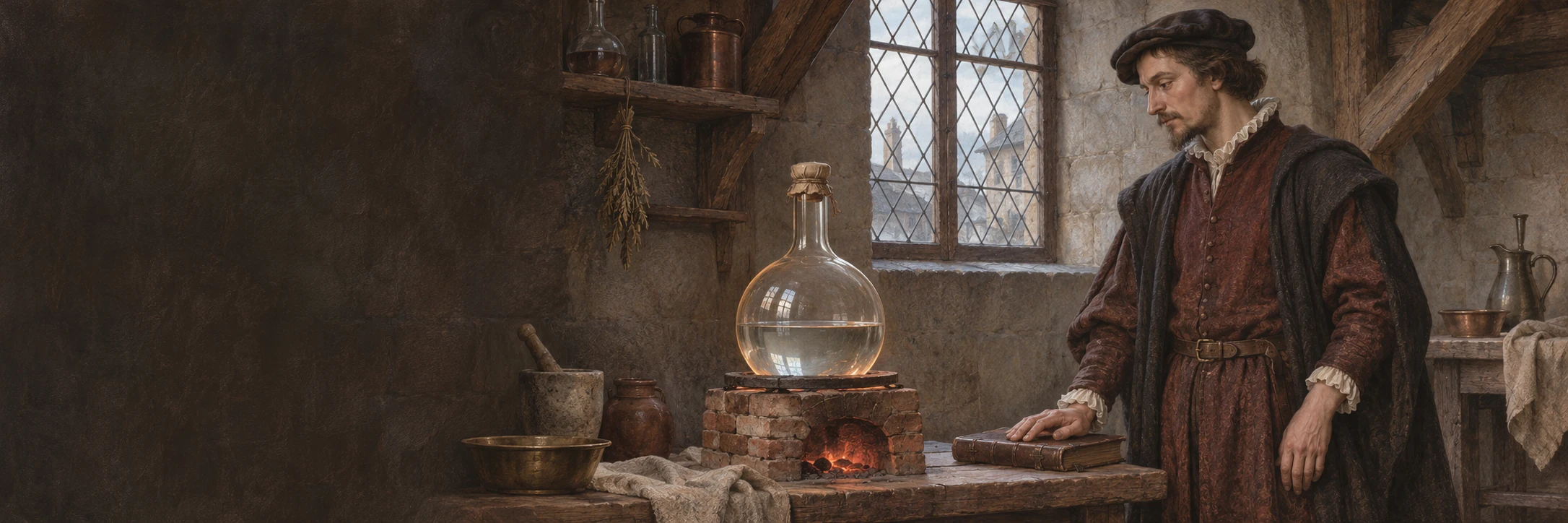
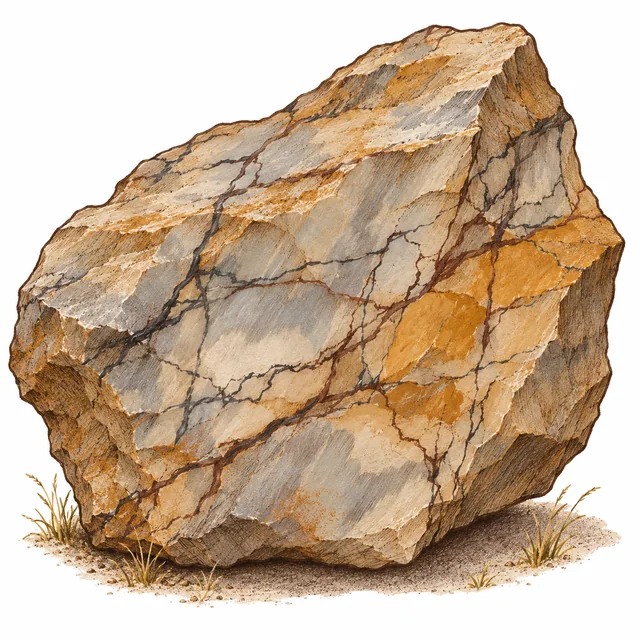
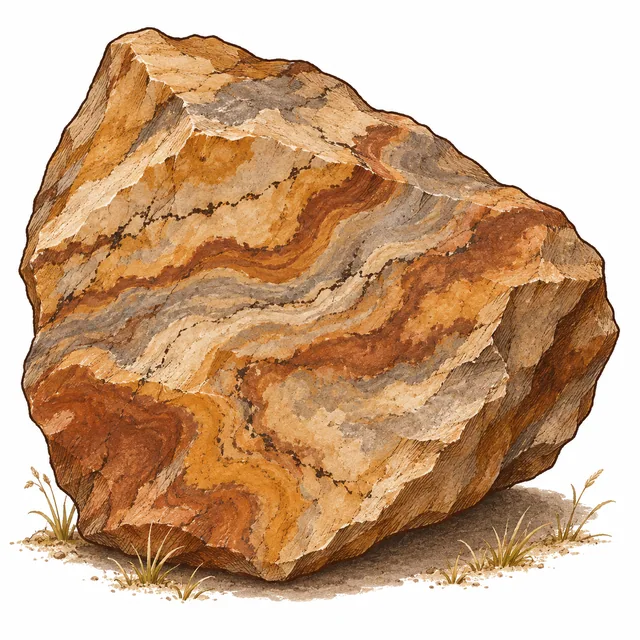
After a fire, Kydias is said to have noticed that yellow ochre had turned red. Theophrastus tells the story in his treatise On Stones. He then describes how ochre was heated in earthenware vessels to change its colour deliberately.[1]
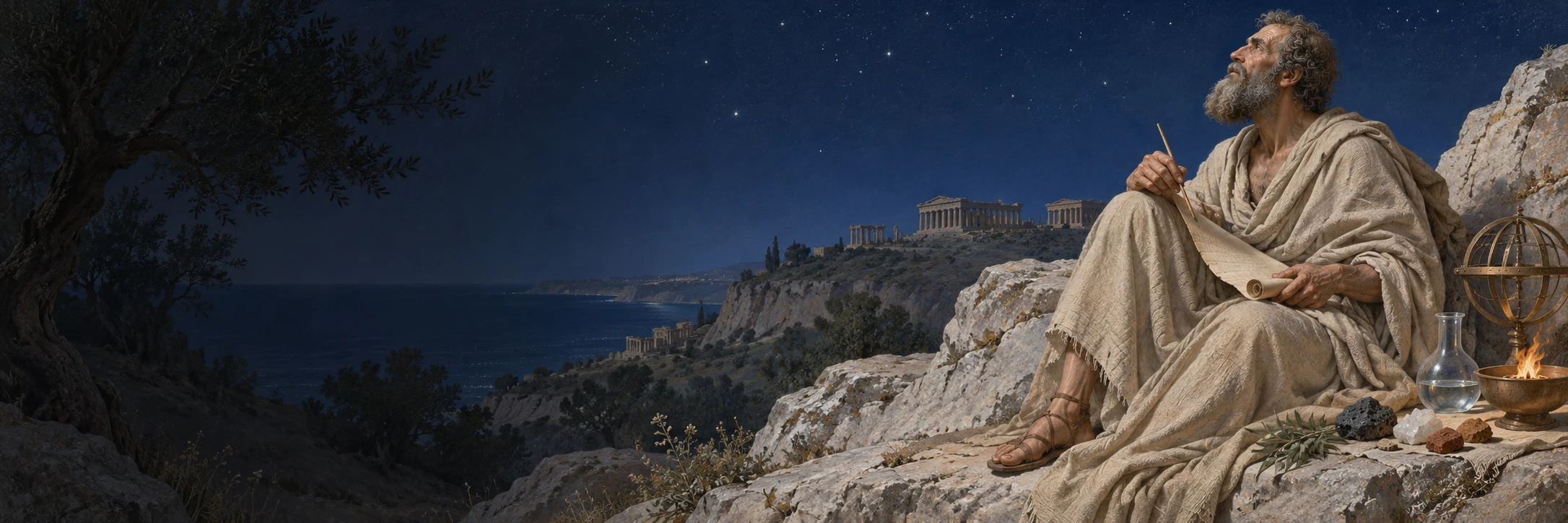
Theophrastus (c. 371–287 BC) worked closely with Aristotle and succeeded him as head of his school in Athens. On Stones, also known by its Latin title De lapidibus, is one of his surviving works on the natural world.[1][2]
How stones form and how they differ
“Of Things formed in the Ground, some have their Origin from Water, others from Earth.”
– Theophrastus, History of Stones, § 1. Translated by John Hill, 1774.[5]
He places stones and certain unusual kinds of earth in the second group. Heat, cold and solidification play an important part in his account.[1]
He distinguishes stones by their colour, hardness, density and other properties. He is equally interested in where they are found and how they can be worked. Some can be cut or sawn, while others resist tools. For him, their ‘powers’ are also apparent in whether they melt or burn, or act on other substances.[1]
Knowledge from mines and workshops
Among the useful substances Theophrastus describes are coals dug out of the ground that burn much like charcoal. He reports deposits in Liguria and in the region of Elis and mentions their use by metalworkers. As with ochre, he connects the description of a natural material with its practical use.[1]
Such details also make the work a source for the knowledge of ancient craftspeople. Theophrastus gathered reports from different regions. He often made it clear when an account came from someone else. His treatise thus combines the study of material properties with the recording of other people’s observations and stories.[3]
An ancient text and its transmission
The significance of this collection is already apparent in the work of Pliny the Elder, who drew on Theophrastus as an authority in his Naturalis historia. Through Pliny and other authors, individual observations also found their way into medieval writings on stones. Much of the treatise’s influence came through these later works.[3]
Greek manuscript copies also preserved the text itself. It first appeared in print in Venice in 1497 as part of a joint edition of works by Aristotle and Theophrastus. Adrien Turnèbe’s Latin translation was published in 1578, bringing the work within reach of a wider circle of scholars.[3][4]
Today, On Stones is an important source for the study of Greek natural history and the history of mineral materials. The treatise shows which differences people noticed between substances, how they explained their origins and what they had learned from mining, metalworking and pigment making. Its particular value lies in the way it brings the description of nature together with practical knowledge.[1][3]

 Phone: +43 677 628 66 628 |


 Search

 The Composition of the World · 1858 · p. 109







 Cart