
 Phone: +43 677 628 66 628 |


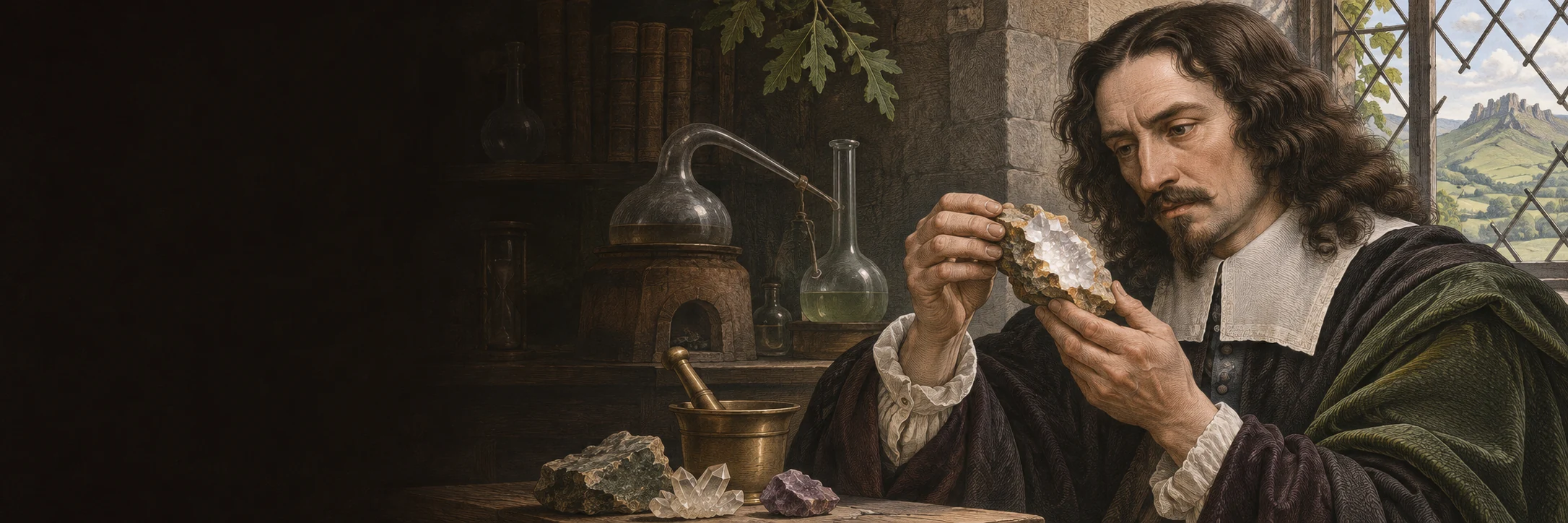
Thomas Vaughan
All these things have a lumpish, ineffectual outside, but inwardly they are full of a subtil, vital limositie impregnated with fire, and this nature makes use of in generations, wherefore wee call it the sperm […].
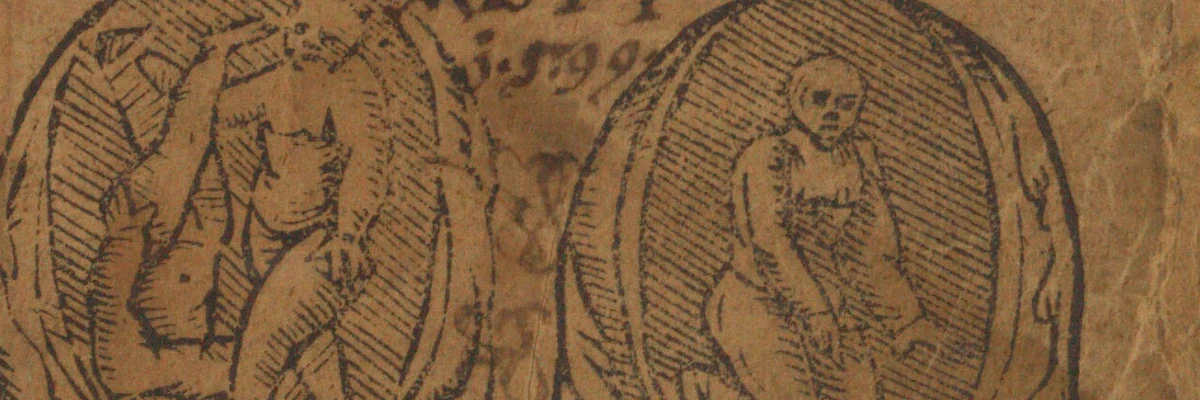
Wrapped in a bay leaf, a many-coloured stone was supposed to make its bearer invisible. This is how the third book of a collection circulated under the name of Albertus Magnus describes the Ophtalmus. Because of this supposed power, the text also calls it “Mörder-Knecht”, a murderer’s servant.[1]
The collection Von Weibern und Geburten der Kinder brought together writings on childbirth and remedies with accounts of herbs, stones and animals. In this form it was a later compilation and adaptation. It drew on writings attributed to Albertus although he had not written them.[1][2][3][4]
In the thirteenth century Albertus himself wrote about minerals in De mineralibus. Other writings on the powers of plants, stones and animals also circulated under his name. They have a transmission history of their own and must be distinguished from the works he actually wrote.[2]
In the sixteenth century Walther Hermann Ryff adapted such texts for a German collection originally entitled Ein newer Albertus Magnus. Ryff also used the name Q. Apollinaris. As late as 1745, the title page of the Magdeburg edition still advertised a version improved by “Q. Apollinarem”.[1][3][4]
In this edition the third book is headed “von Tugenden und Würckungen etlicher Edelgesteine” (“on the virtues and effects of certain precious stones”). Short entries combine details of colour and place of origin with the powers ascribed to each stone.[1]
The entry on onyx immediately follows that on the Ophtalmus. The text describes onyx as a black stone, the best kind coming from Arabia and marked with white veins. Anyone who wore it around the neck or on a finger, it claimed, could expect sadness, fear and threatening dreams. Alongside the benefits people hoped for, the collection also recorded effects they feared.[1]
Ryff’s Newer Albertus Magnus went through more than thirty editions and remained in circulation into Goethe’s time. By bringing together midwifery and remedies drawn from plants, animals and stones, it became a forerunner of the household medical handbook. Repeated printings gave older ideas about stones a place in practical German-language books for centuries.[3]
The surviving editions are therefore valuable sources for the transmission of this knowledge. The promise of an improved version on the title page already draws attention to the editor’s hand. Readers studying these texts can ask which powers were attributed to stones and how editors chose, worded and arranged the material for a new book.[1][3]
The collection also shows how long Albert’s name continued to carry scholarly authority. Its significance lies both in the beliefs it preserved and in the history of their reworking by later editors.[2][3]
 Search
All these things have a lumpish, ineffectual outside, but inwardly they are full of a subtil, vital limositie impregnated with fire, and this nature makes use of in generations, wherefore wee call it the sperm […].
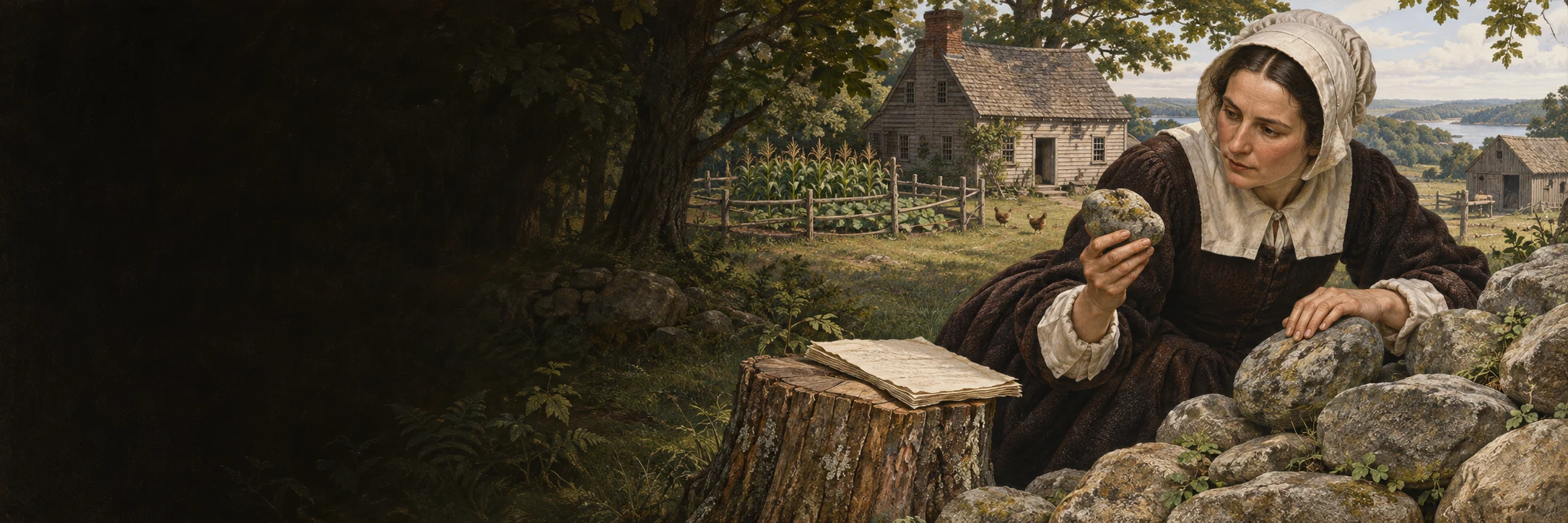
Ye mighty Kings, who for your lasting fames Built Cities, Monuments, call’d by your names, Were those compiled heaps of massy stones That your ambition laid, ought but my bones?
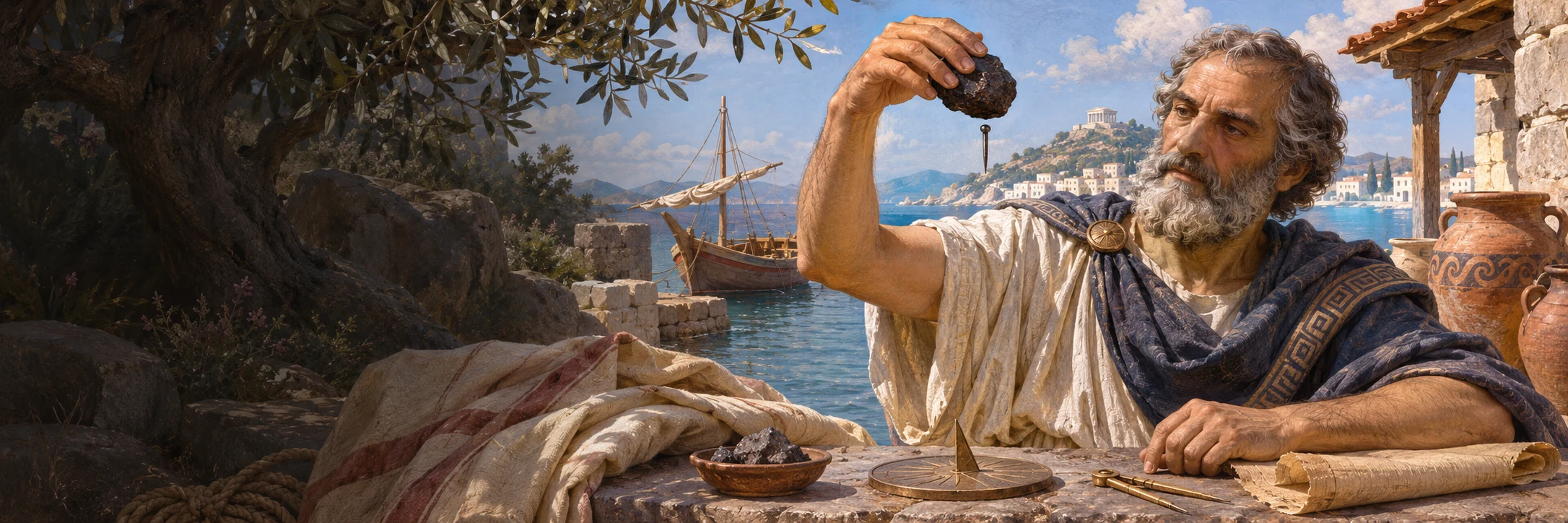
Thales also, according to the traditional stories of him, appears to have conceived of the soul as a sort of kinetic principle, if it be true that he said the loadstone has a soul because it moves iron.
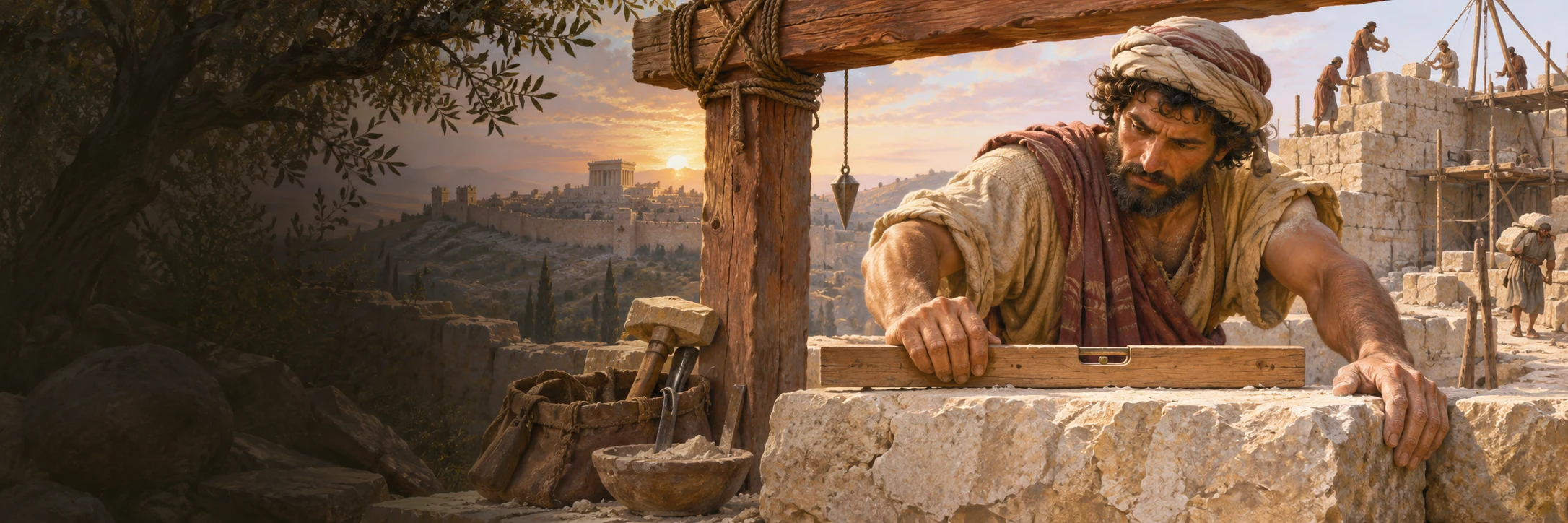
For even the stones in the wall will cry out, and the rafters in the timberwork will answer them.
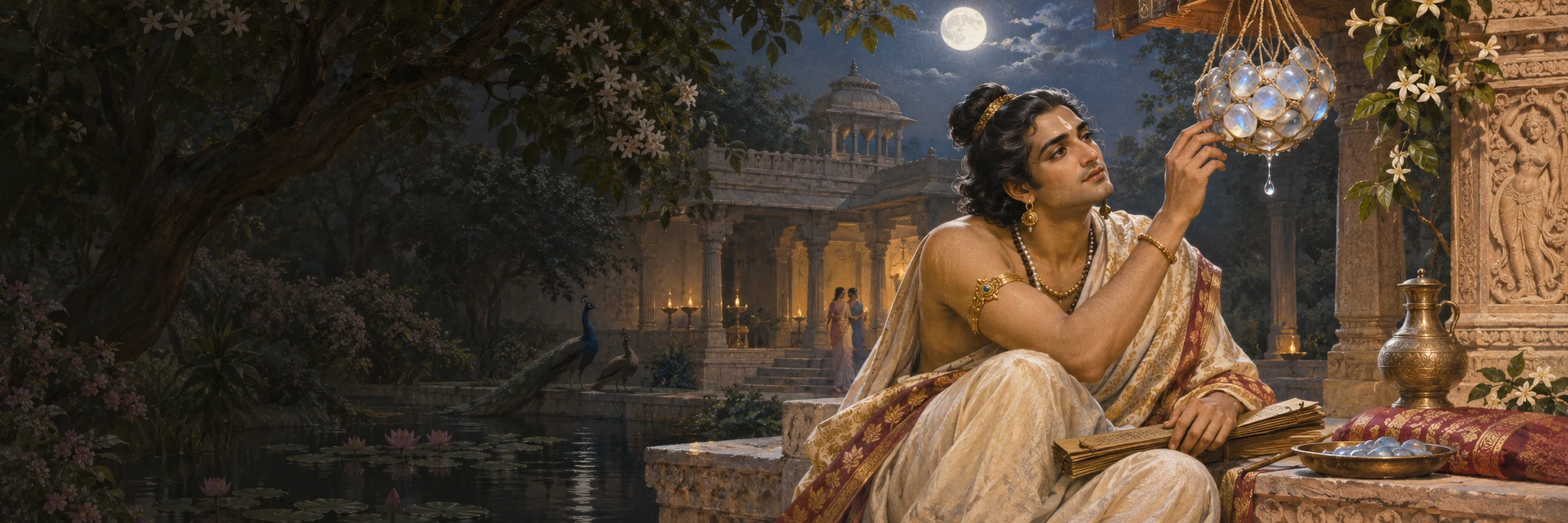
Where from the moonstones hung in nets of thread Great drops of water trickle in the night— When the moon shines clear and thou, O cloud, art fled— To ease the languors of the women’s plight Who lie relaxed and tired in love’s embraces tight.
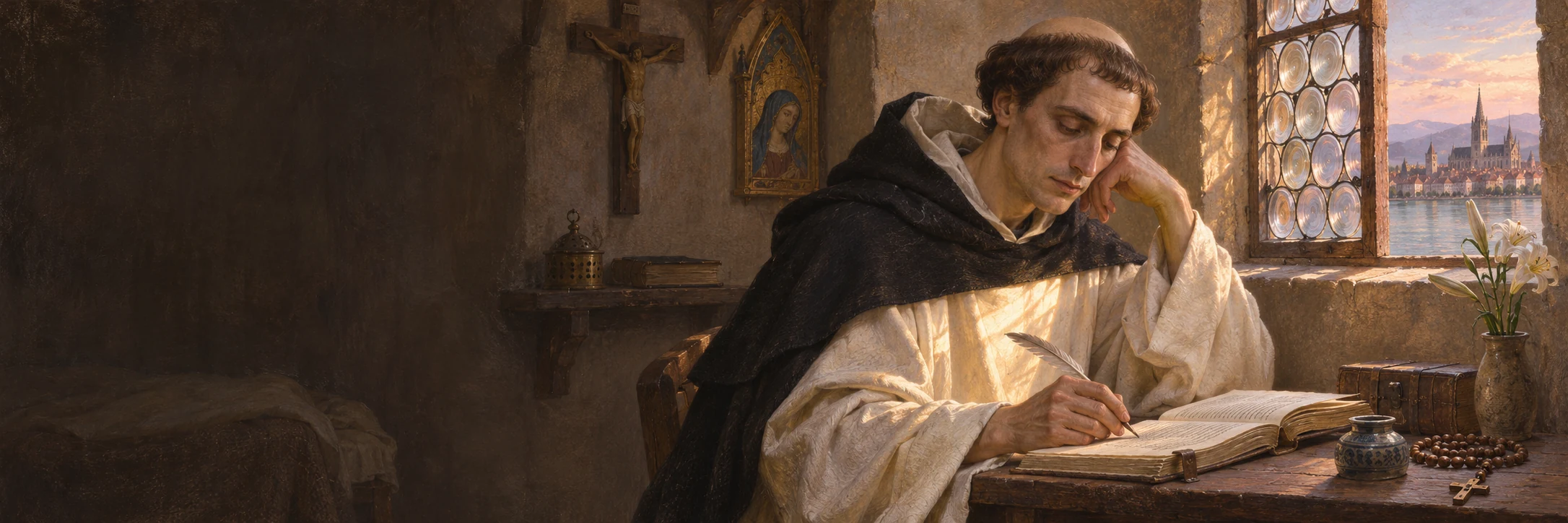
He looked immediately, and saw that his body over his heart was clear as crystal, and that in the centre of his heart was sitting tranquilly, in lovely form, the Eternal Wisdom; beside whom there sat, full of heavenly longing […]
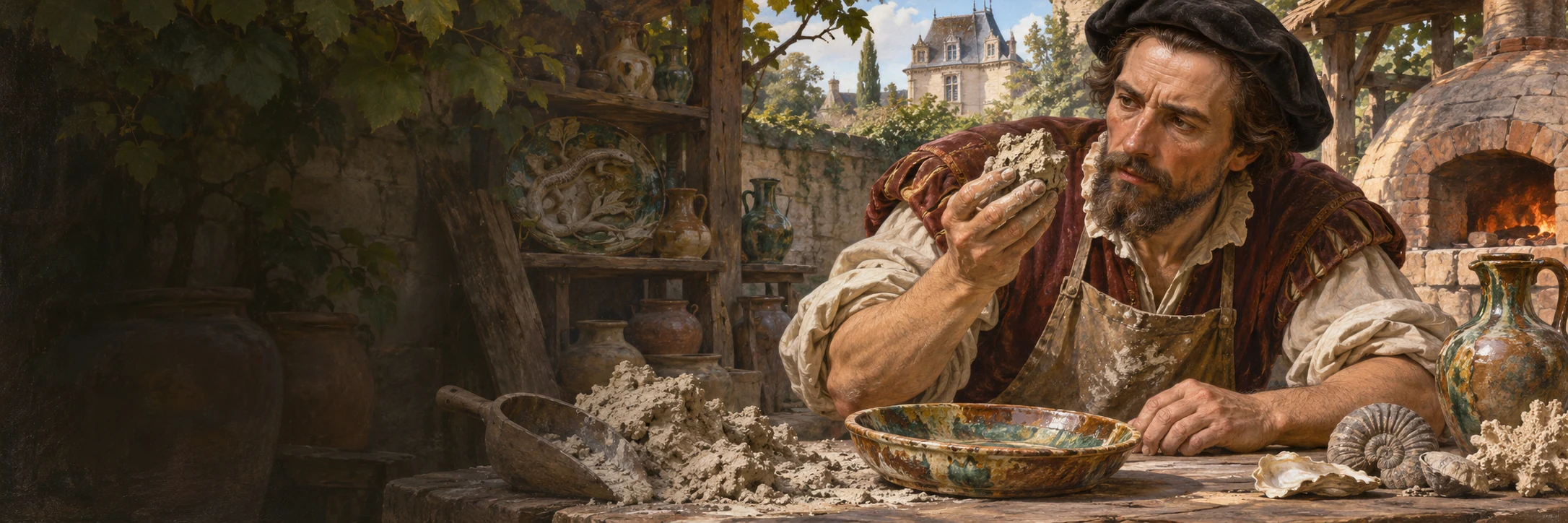
[…] that this seed or generative water does not serve only for the generation of stones, but is also the substance and source of all things that are animate and grow […].
Bernard Palissy (c. 1510–1590)
 Discours admirables · 1844 · p. 336
Our translation from the French edition.
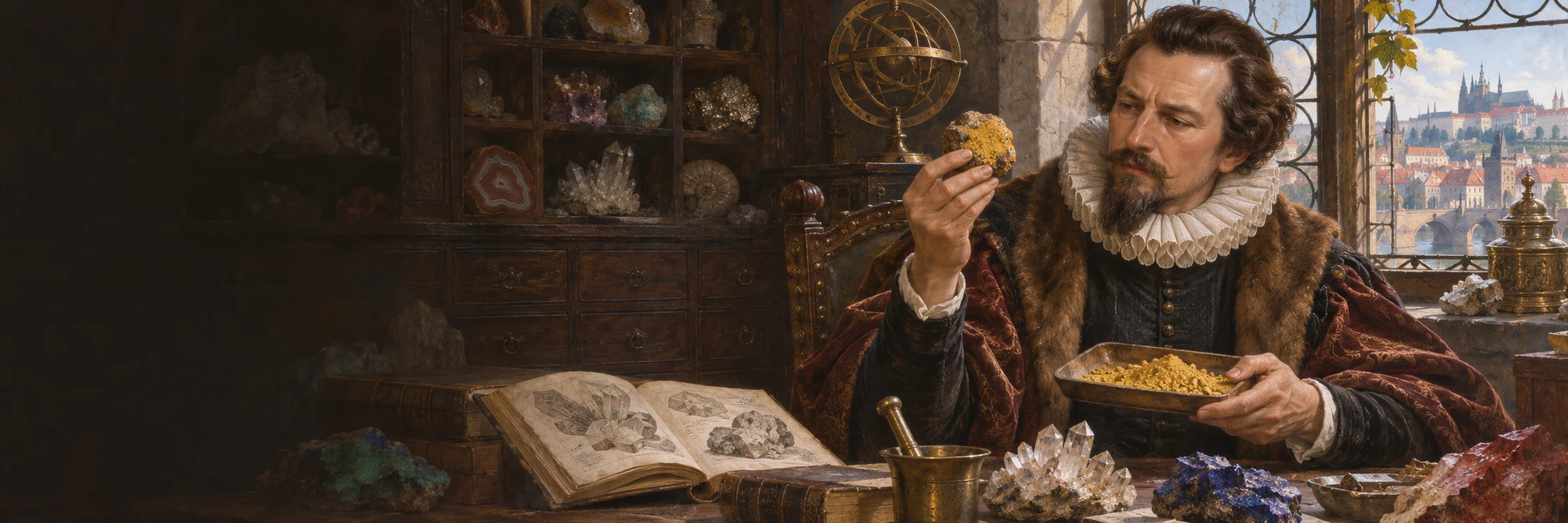
Any earth, then, that turns to stone or becomes a gem contains within it a stone-forming spirit as the immediate efficient cause of stones and gems. It is the nearer efficient cause of movement and of change towards form.
Anselmus Boetius de Boodt (1550–1632)
Gemmarum et lapidum historia · 1636 · p. 24–25
Our translation from the Latin edition.
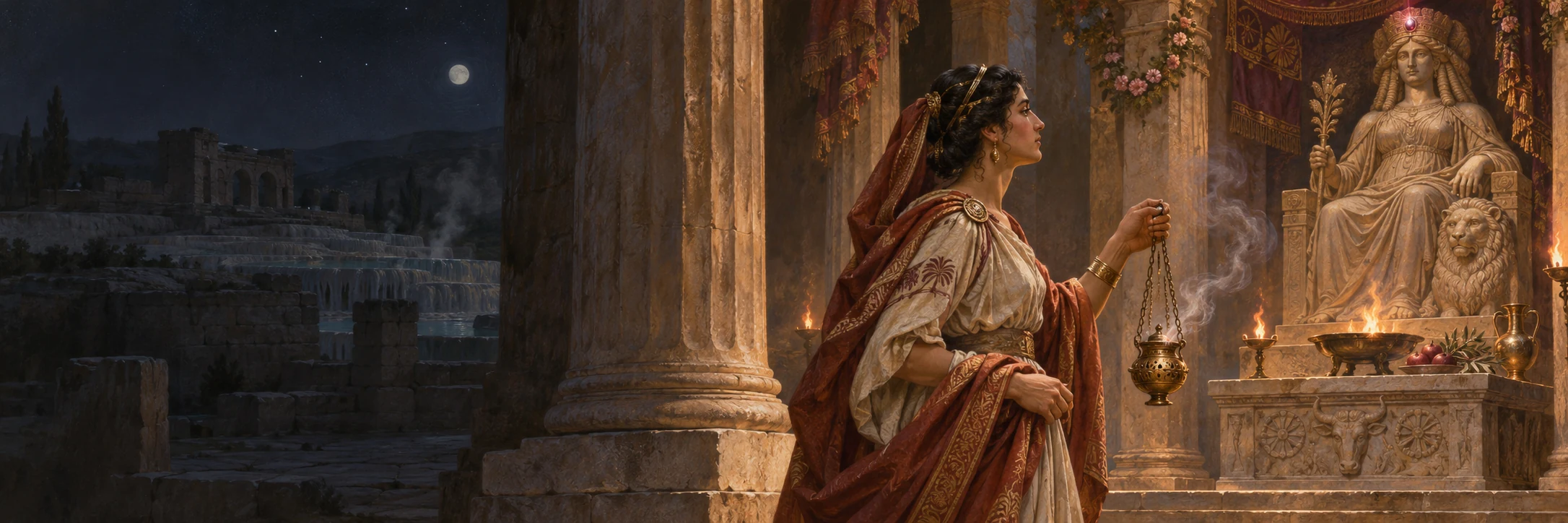
From this stone flashes a great light in the night-time, so that the whole temple gleams brightly as by the light of myriads of candles, but in the day-time the brightness grows faint; the gem has the likeness of a bright fire.
Attributed to Lucian (2nd c. CE)
On the Syrian Goddess · 1913 · p. 72
Wording of the English edition.
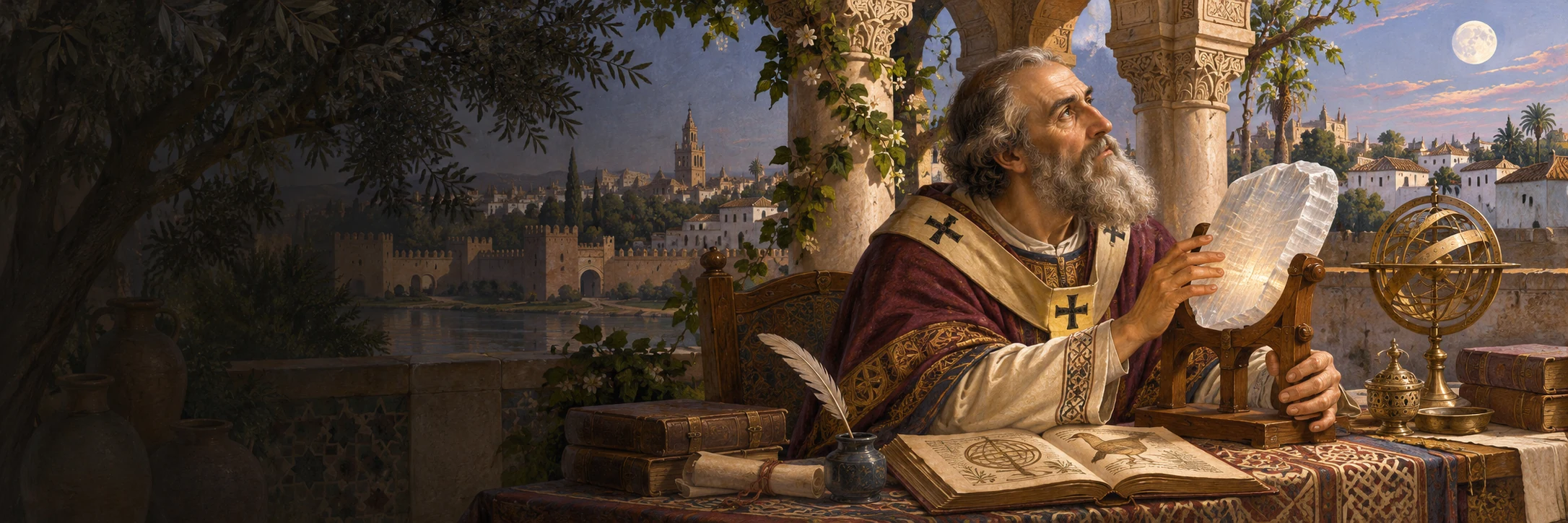
Selenites, whose name in Latin means moonstone, because its inner brightness is said to wax and wane with the moon, is formed in Persia.
Isidore of Seville (c. 560–636)
Etymologiae · 1911 · XVI, 4, 6
Our translation from the Latin edition.
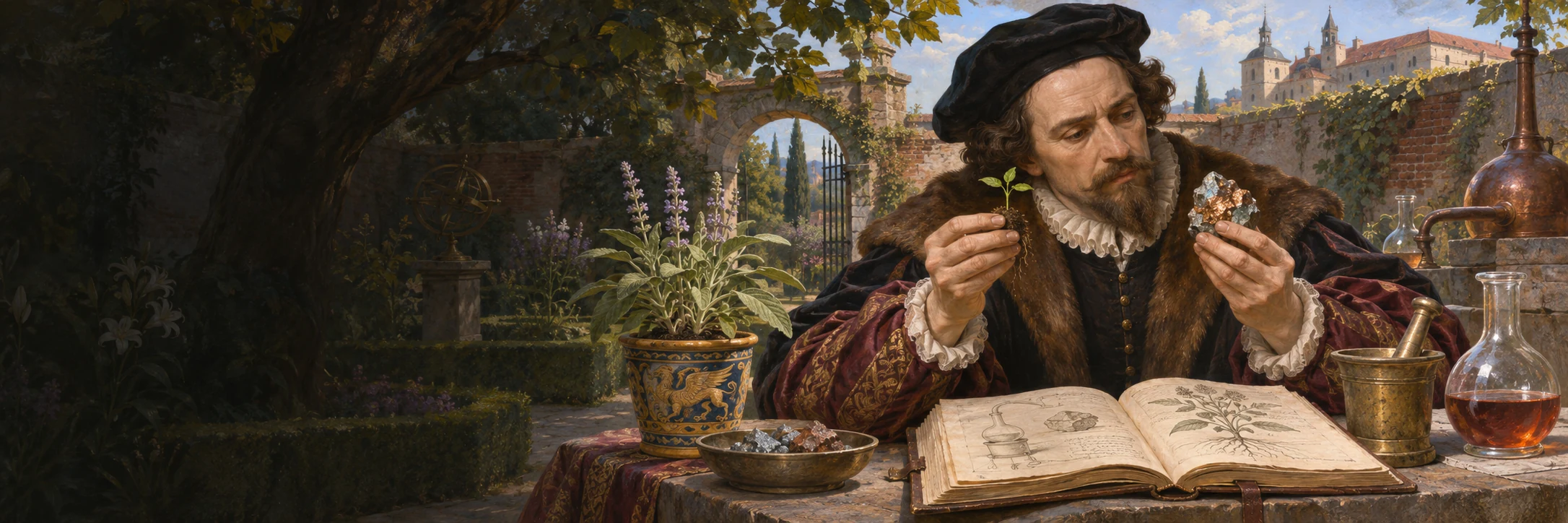
Now whilest the sperme is yet in the center, there may as easily be brought forth a tree, as a metall from the sperme, and assoone an hearbe, as a stone, and one more pretious then another, according to the purity of the place […].
Michael Sendivogius (1566–1636)
A New Light of Alchymie · 1650 · p. 8
Wording of the English edition.
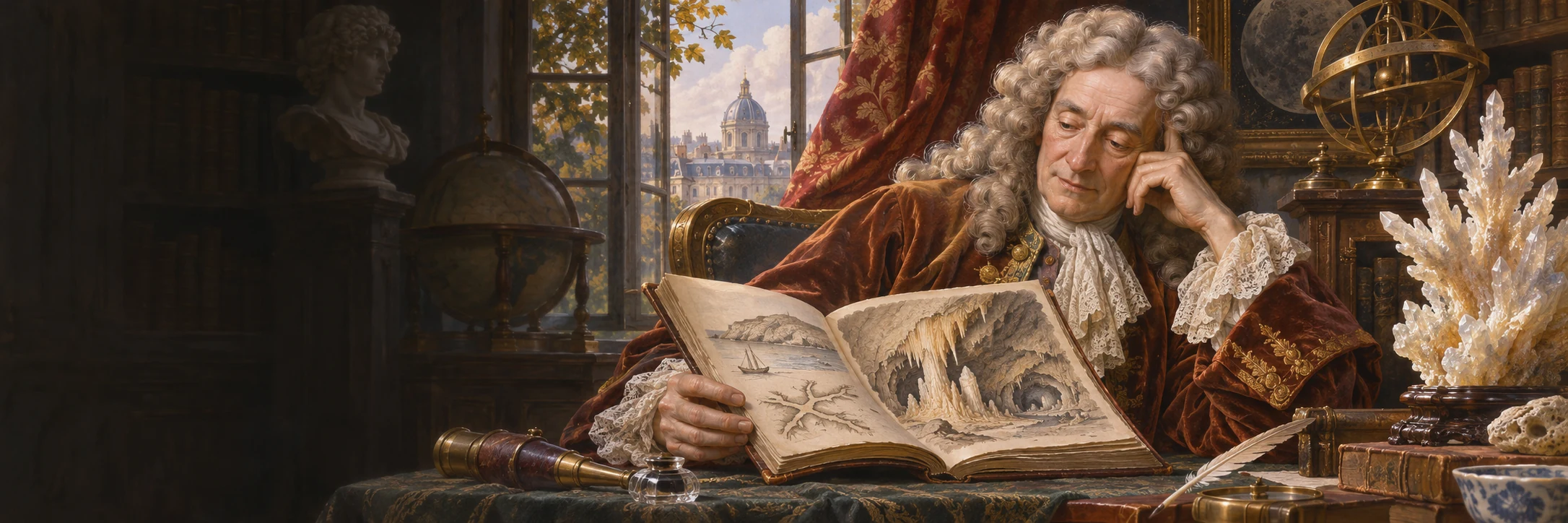
Monsieur de Tournefort had the keen pleasure of seeing there a new kind of garden. All its plants were different pieces of marble, still coming into being or young, which, to judge by all the circumstances of their formation, could only have grown.
Bernard Le Bovier de Fontenelle (1657–1757)
Éloge de M. de Tournefort · 1717 · Grotte d’Antiparos
Our translation from the French edition.
 Cart