
 Phone: +43 677 628 66 628 |


Thomas Vaughan
All these things have a lumpish, ineffectual outside, but inwardly they are full of a subtil, vital limositie impregnated with fire, and this nature makes use of in generations, wherefore wee call it the sperm […].
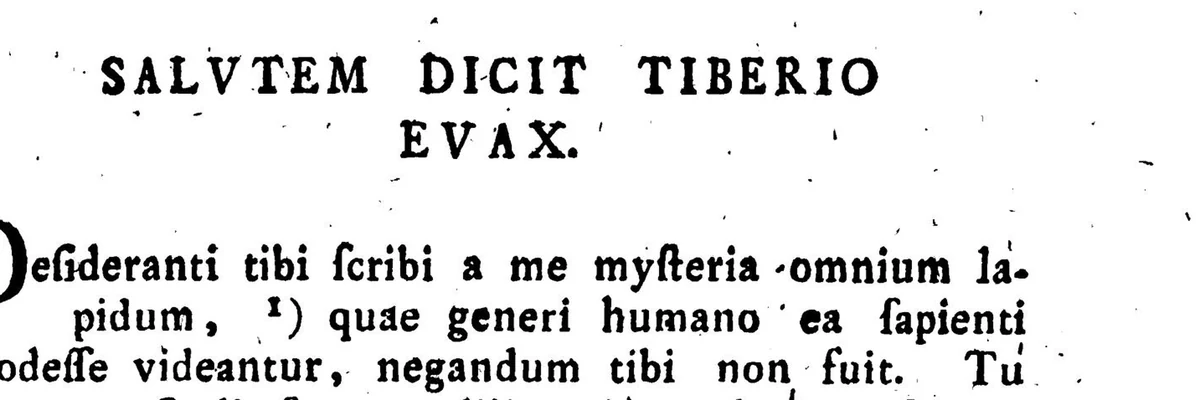
A king named Evax thanks the emperor Tiberius for his precious gifts and names healing stones as his gift in return. This fictional letter is one of the prefaces to De lapidibus, “On Stones”, transmitted under the name of Damigeron. It presents the knowledge gathered in the book as a gift worthy even of an emperor.[1][2]
Scholars also refer to the work as the lapidary of Damigeron-Evax. These names tell us little for certain about its actual authors and editors. The Latin text derives from a Greek original. Its language suggests a date in late antiquity, around the fifth or sixth century.[2][3]
Alongside the king’s letter is an admonition introducing the book’s contents as precious knowledge from Egypt. The recipient is urged to guard it carefully and to pass it on to no one. The powers of stones appear here as secrets whose knowledge could benefit humankind.[1]
The eagle stone, Aëtites, opens the series of descriptions. An eagle, the text relates, carries it from distant lands to its nest to protect its eggs. The text describes it as reddish and rough.[1]
“[…] and it holds another stone within itself, as though it were pregnant.”
– Damigeron-Evax, De lapidibus, ch. I, p. 163. Our translation from Latin.[1]
The description goes on to attribute to it the power to protect pregnant women and children. The passage links the story of the bird with the form of the stone and the powers ascribed to it. Observation of nature, medical belief and storytelling come together in this entry.[1]
This tradition proved especially important for medieval lapidaries. In the late eleventh century Marbod of Rennes used the Latin Damigeron-Evax as the principal source for his Liber lapidum. Through that widely read poem many details from the older lapidary passed into later accounts.[4]
Copies also kept the earlier text itself in circulation. Many manuscripts of Marbod’s work included Damigeron-Evax as well, sometimes in the margins. Other adaptations combined its accounts of the powers of stones with the descriptions given by Isidore of Seville. In this way the tradition was both preserved and reworked for new purposes.[4]
Today the lapidary is an important source for the history of the powers attributed to stones. It offers insight into beliefs about protection and healing and into the routes by which ancient knowledge reached medieval books. Comparing its versions and later adaptations reveals how this material was selected, expanded and passed on.[3][4]
 Search
All these things have a lumpish, ineffectual outside, but inwardly they are full of a subtil, vital limositie impregnated with fire, and this nature makes use of in generations, wherefore wee call it the sperm […].
Ye mighty Kings, who for your lasting fames Built Cities, Monuments, call’d by your names, Were those compiled heaps of massy stones That your ambition laid, ought but my bones?
Thales also, according to the traditional stories of him, appears to have conceived of the soul as a sort of kinetic principle, if it be true that he said the loadstone has a soul because it moves iron.
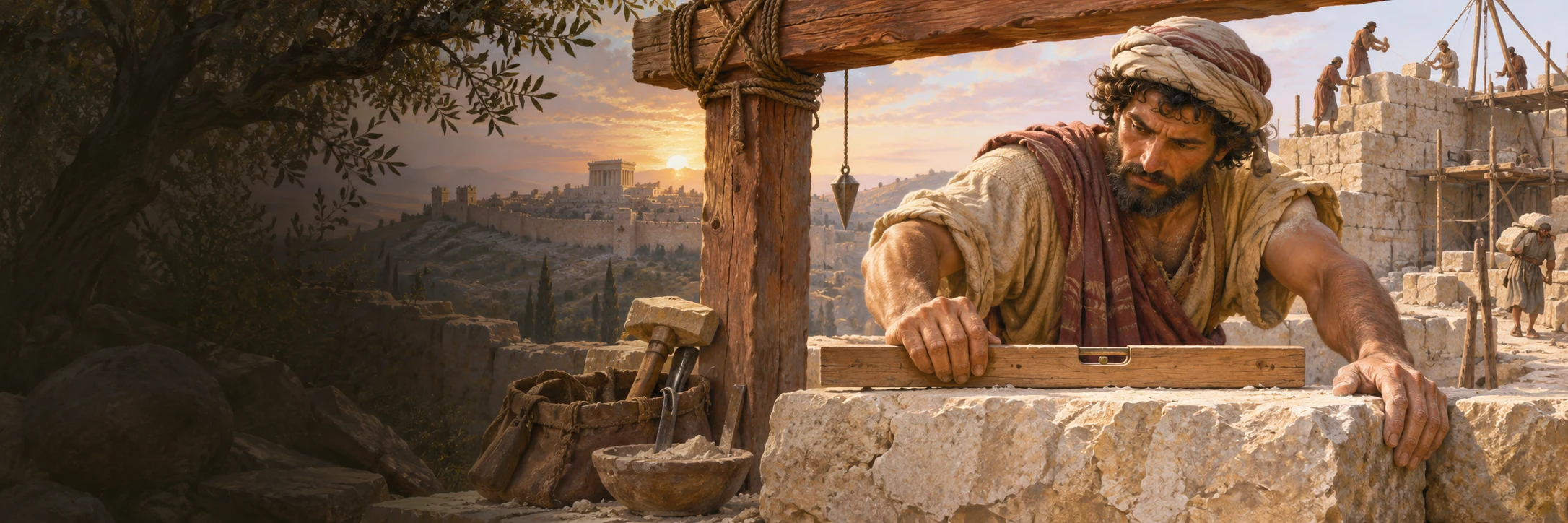
For even the stones in the wall will cry out, and the rafters in the timberwork will answer them.
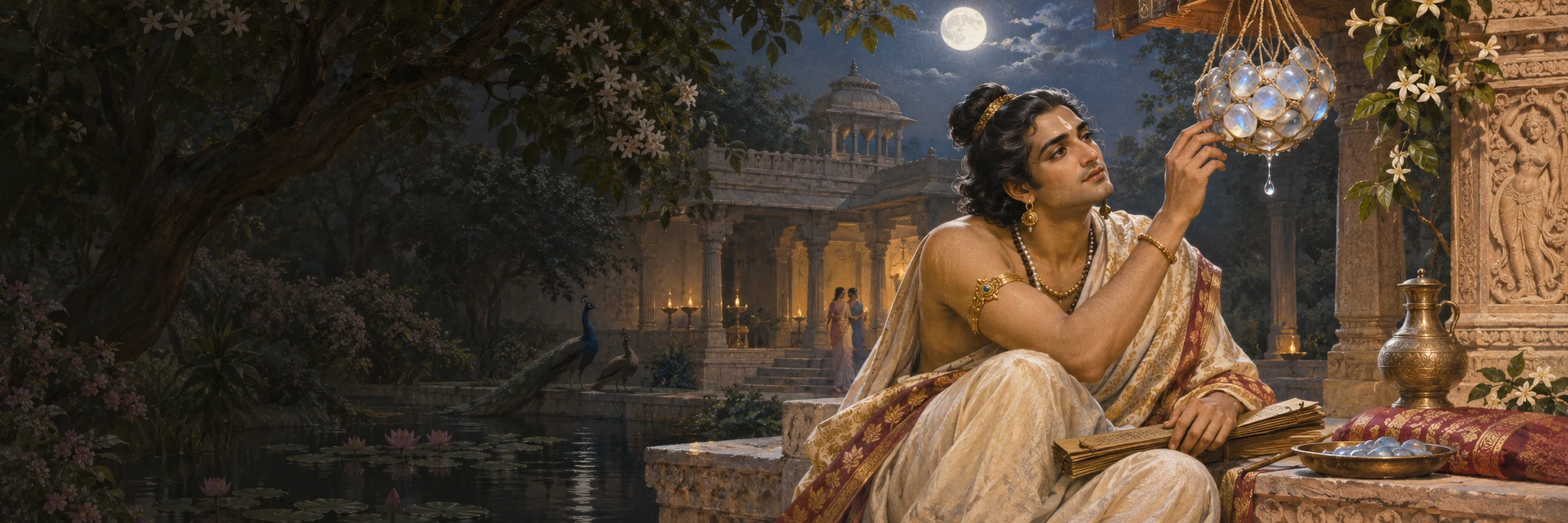
Where from the moonstones hung in nets of thread Great drops of water trickle in the night— When the moon shines clear and thou, O cloud, art fled— To ease the languors of the women’s plight Who lie relaxed and tired in love’s embraces tight.
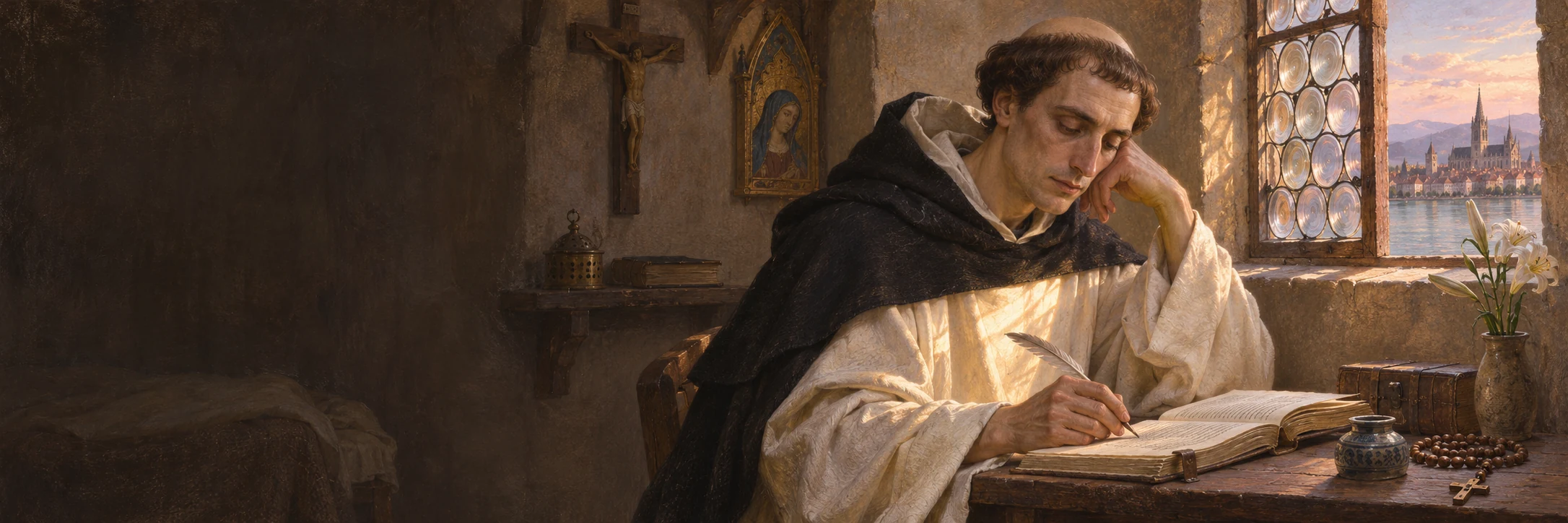
He looked immediately, and saw that his body over his heart was clear as crystal, and that in the centre of his heart was sitting tranquilly, in lovely form, the Eternal Wisdom; beside whom there sat, full of heavenly longing […]
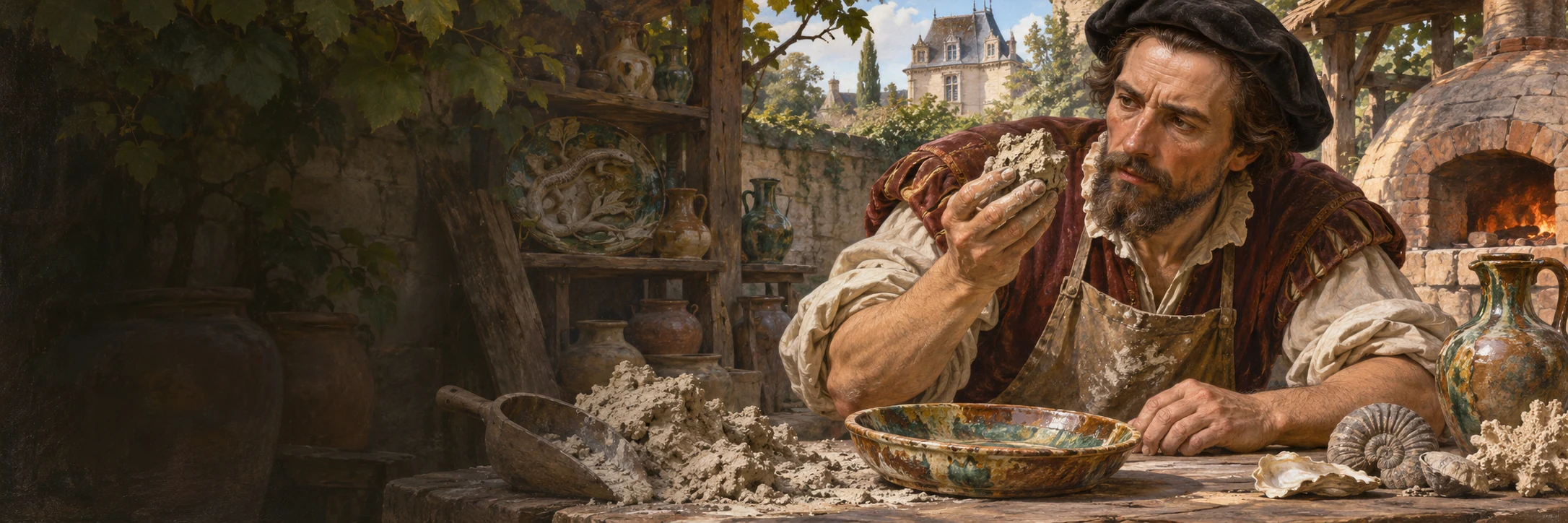
[…] that this seed or generative water does not serve only for the generation of stones, but is also the substance and source of all things that are animate and grow […].
Bernard Palissy (c. 1510–1590)
 Discours admirables · 1844 · p. 336
Our translation from the French edition.
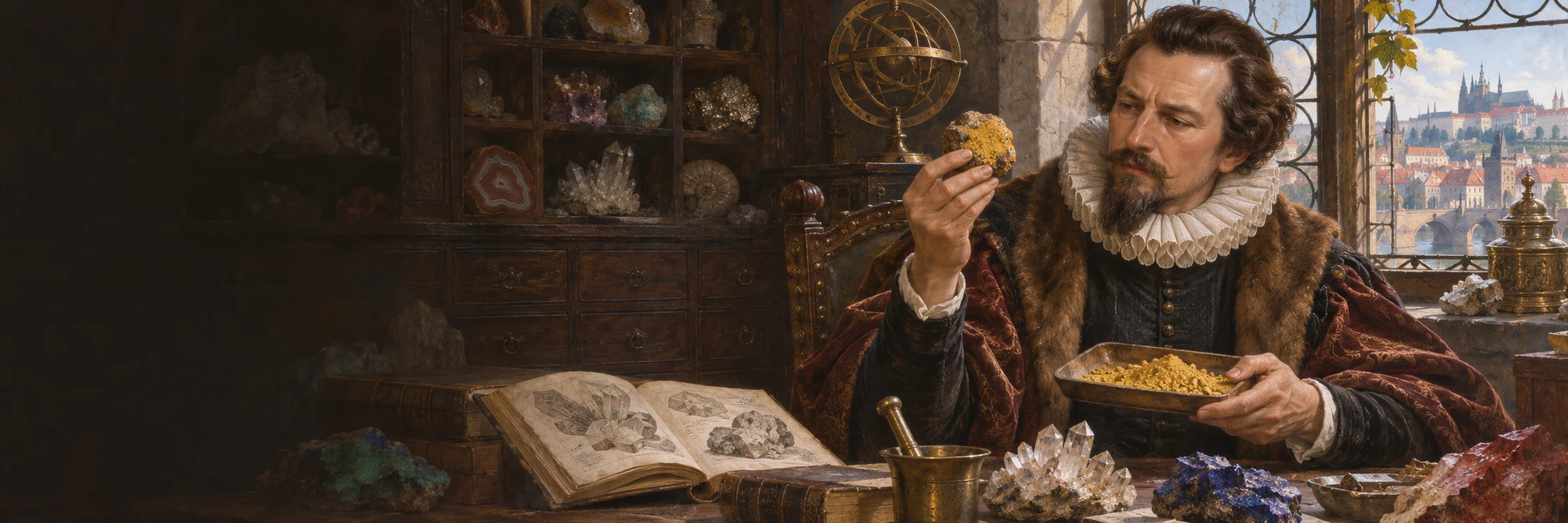
Any earth, then, that turns to stone or becomes a gem contains within it a stone-forming spirit as the immediate efficient cause of stones and gems. It is the nearer efficient cause of movement and of change towards form.
Anselmus Boetius de Boodt (1550–1632)
Gemmarum et lapidum historia · 1636 · p. 24–25
Our translation from the Latin edition.
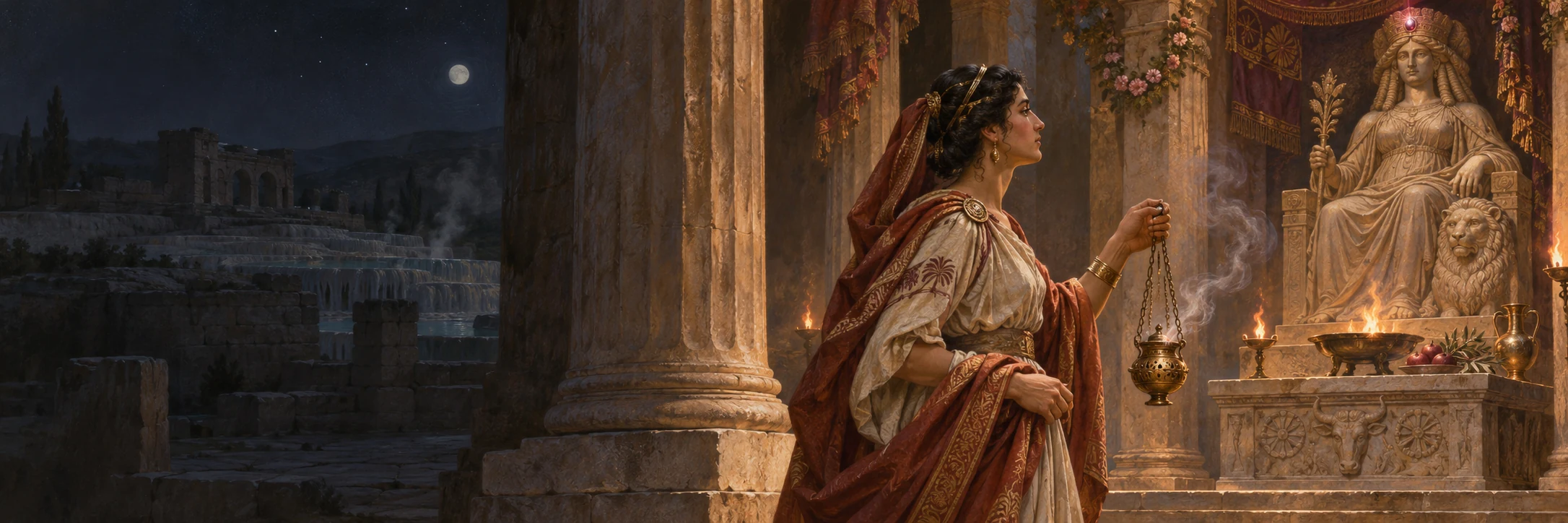
From this stone flashes a great light in the night-time, so that the whole temple gleams brightly as by the light of myriads of candles, but in the day-time the brightness grows faint; the gem has the likeness of a bright fire.
Attributed to Lucian (2nd c. CE)
On the Syrian Goddess · 1913 · p. 72
Wording of the English edition.
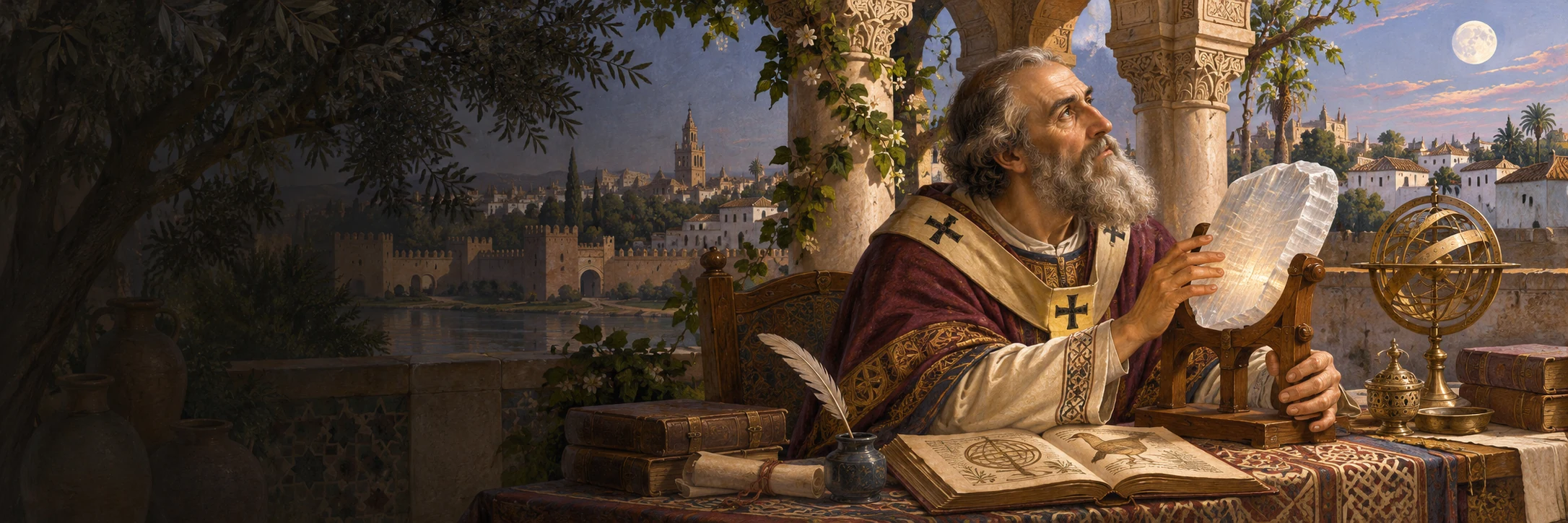
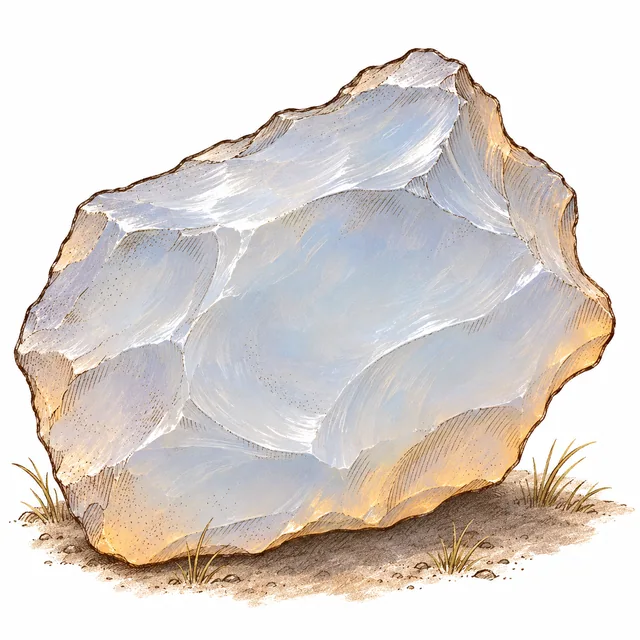
Selenites, whose name in Latin means moonstone, because its inner brightness is said to wax and wane with the moon, is formed in Persia.
Isidore of Seville (c. 560–636)
Etymologiae · 1911 · XVI, 4, 6
Our translation from the Latin edition.
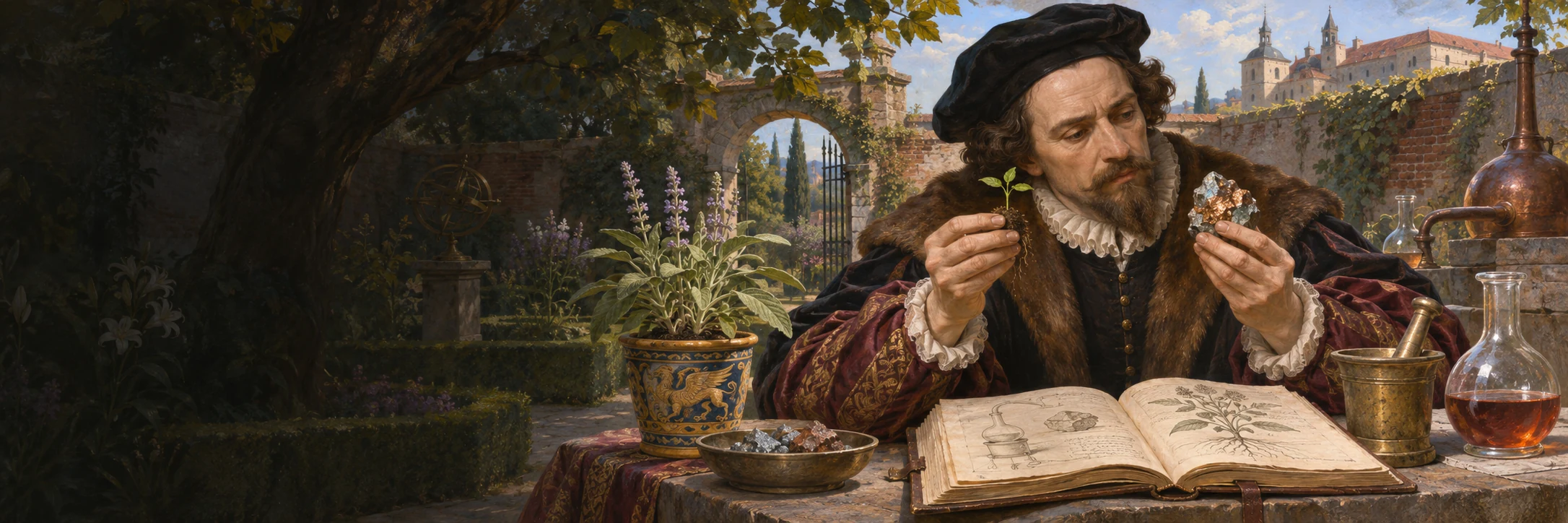
Now whilest the sperme is yet in the center, there may as easily be brought forth a tree, as a metall from the sperme, and assoone an hearbe, as a stone, and one more pretious then another, according to the purity of the place […].
Michael Sendivogius (1566–1636)
A New Light of Alchymie · 1650 · p. 8
Wording of the English edition.
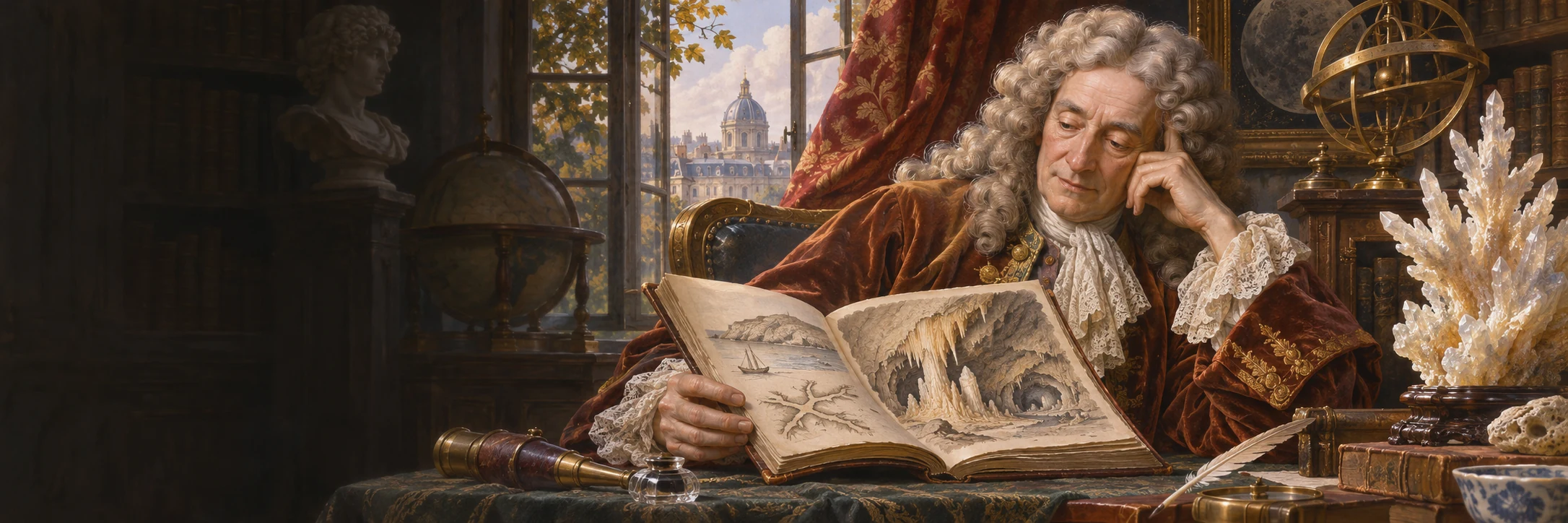
Monsieur de Tournefort had the keen pleasure of seeing there a new kind of garden. All its plants were different pieces of marble, still coming into being or young, which, to judge by all the circumstances of their formation, could only have grown.
Bernard Le Bovier de Fontenelle (1657–1757)
Éloge de M. de Tournefort · 1717 · Grotte d’Antiparos
Our translation from the French edition.
 Cart