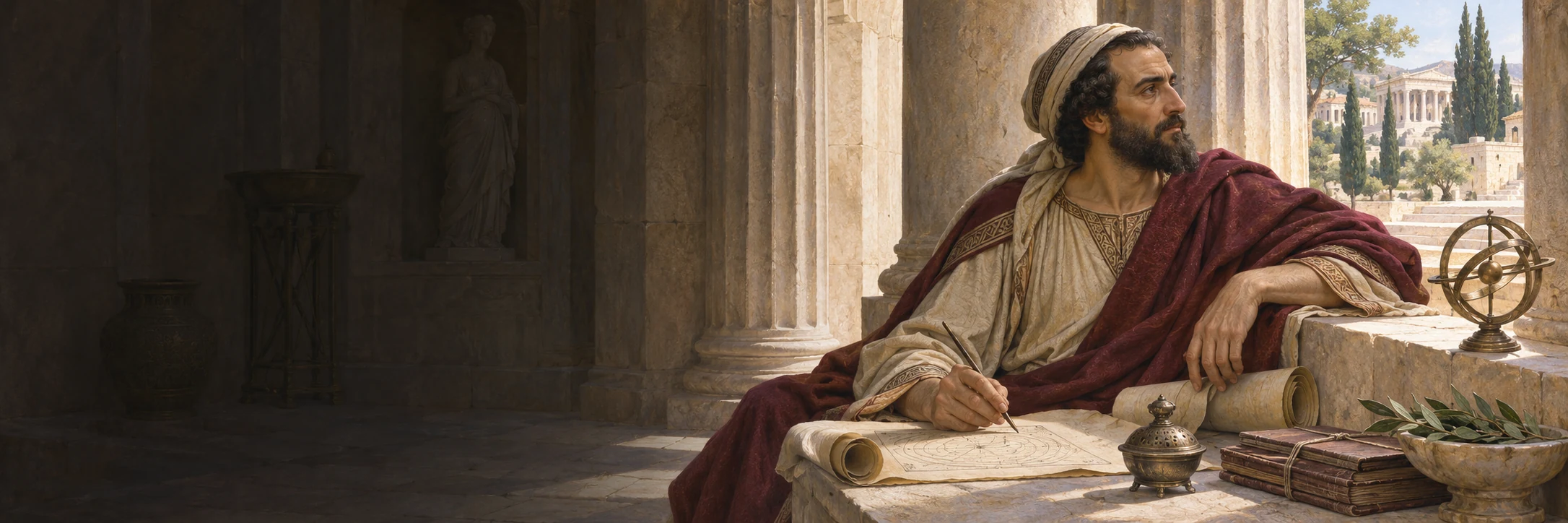
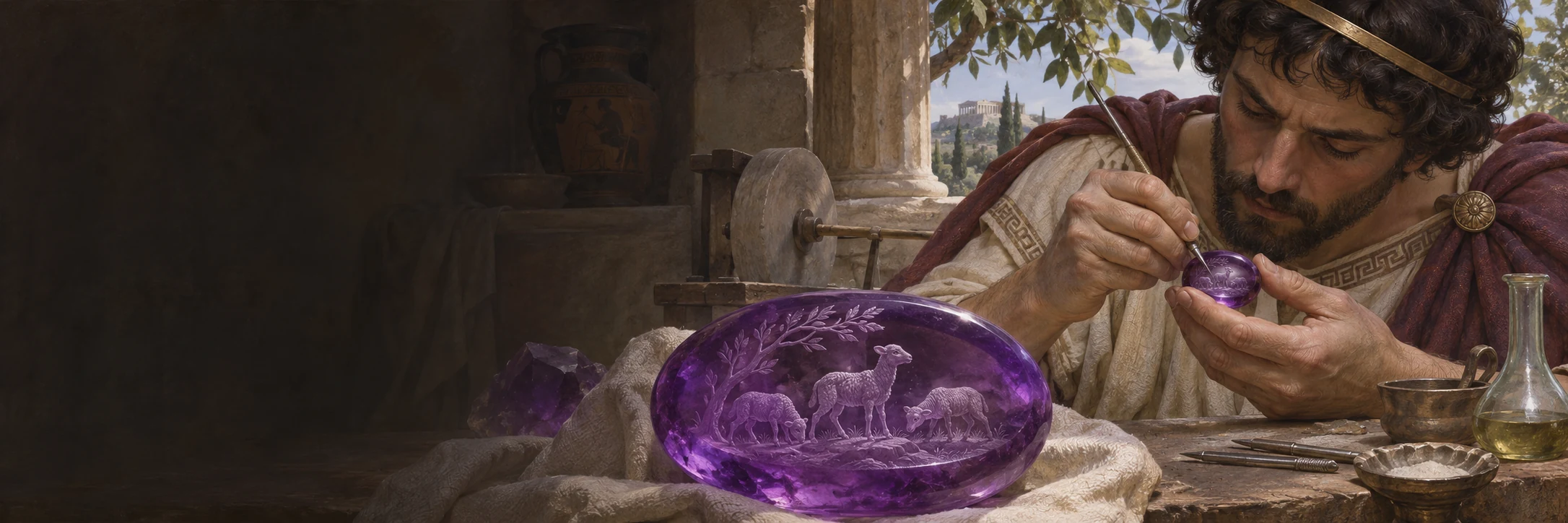
The idea that stones possess special powers is preserved both in ancient texts and in local customs. Written evidence leads to the Near East and the Greek and Roman world. Alongside it stand European traditions in which stones were venerated, deposited at burials or used for protection.[1][5][6][7]
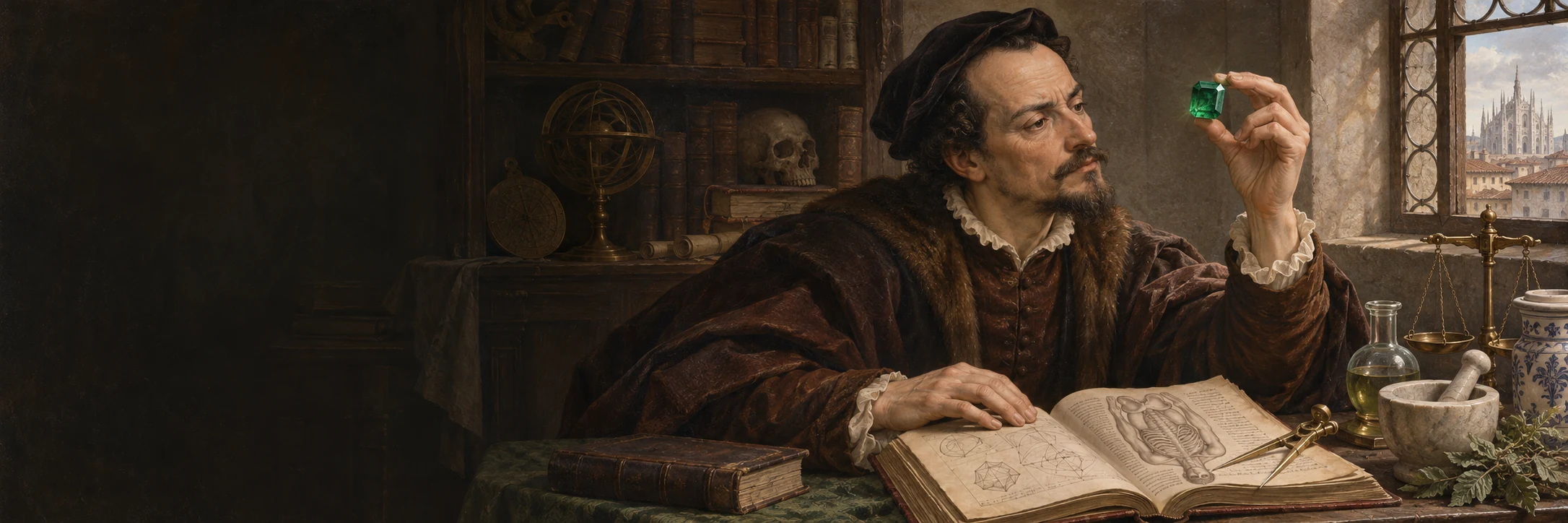
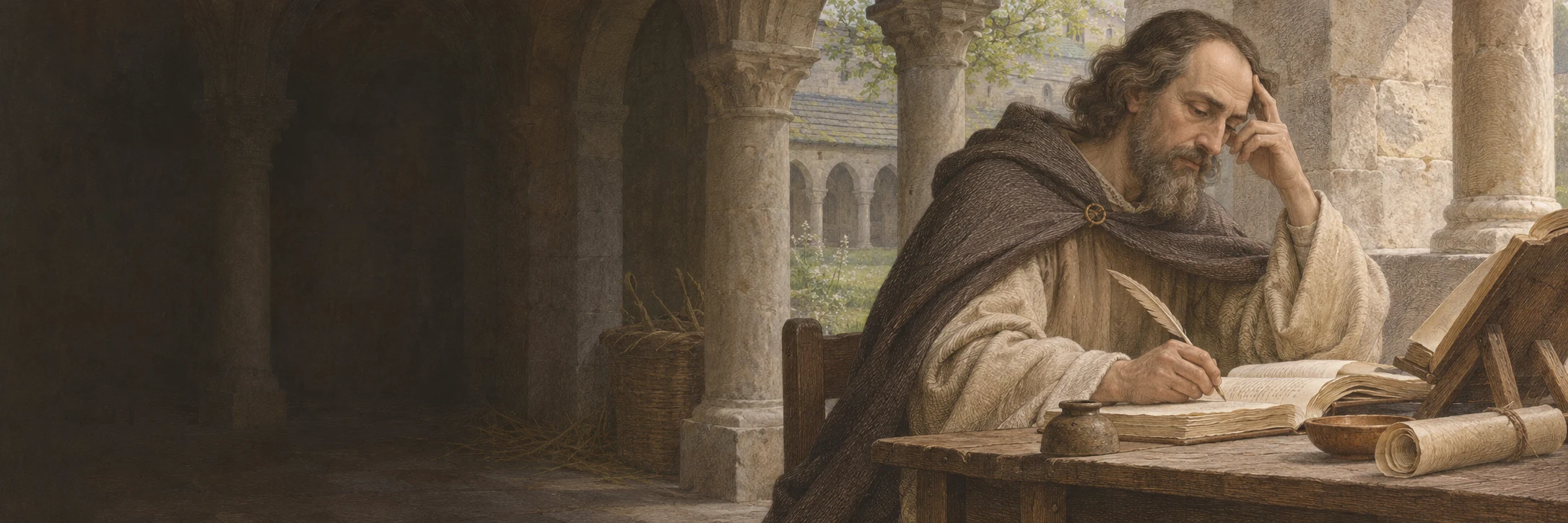
An important work in this written tradition is De lapidibus, known under the names of Damigeron and Evax. This Latin lapidary combines introductory letters with individual descriptions of stones, the effects attributed to them and their uses. Its Latin adaptation is dated to the fifth or sixth century AD and draws on older Greek traditions. King Evax, who appears in the preface, is regarded as a literary figure.[2][3]
Near Eastern and ancient traditions
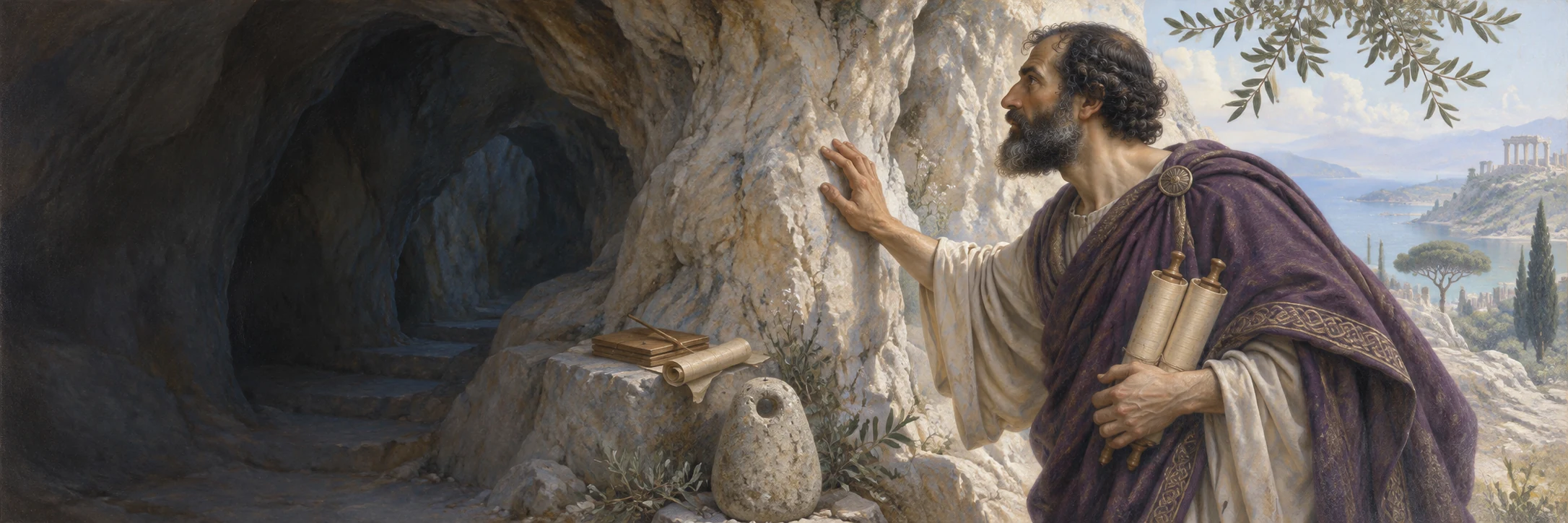
An inscription of the Assyrian king Sennacherib, who ruled from 704 to 681 BC, already mentions the pendû stone as a prized material for amulets, believed to keep illness away. Such evidence shows how far back ideas about the powers of stones reach in the Near East.[1]
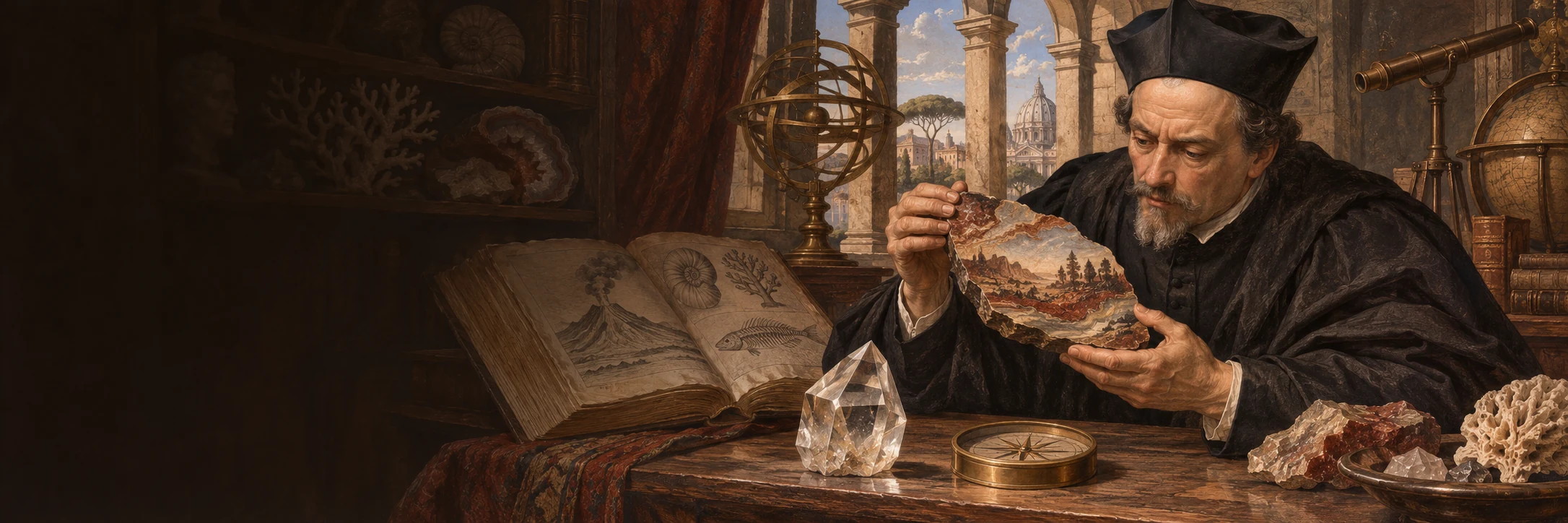
Specific relationships between texts can be traced in the later European book tradition. For his lapidary, Marbod of Rennes drew substantially on the Latin Damigeron, combining its information with material from Isidore of Seville, Pliny and other authors. Scholarship can show how earlier knowledge was adopted and passed on.[4]
European traditions in the use of stones
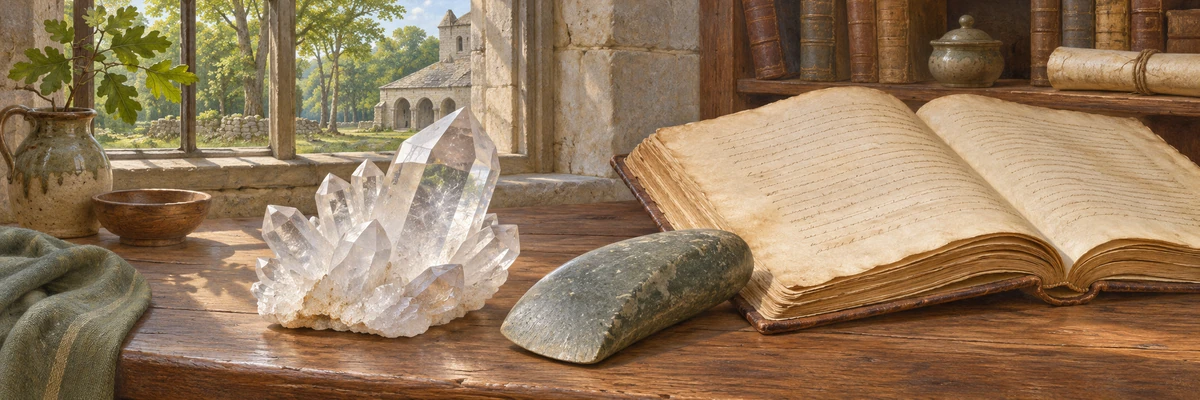
The special treatment of stones in Europe also reaches far back into prehistory. At Dorstone Hill in England, people worked rock crystal in the fourth millennium BC and deposited selected pieces together with cremated human remains. There is no discernible evidence that the crystal pieces were used as tools. The researchers interpret this practice, continued across generations, as a local tradition linking community and remembrance of the dead.[5]
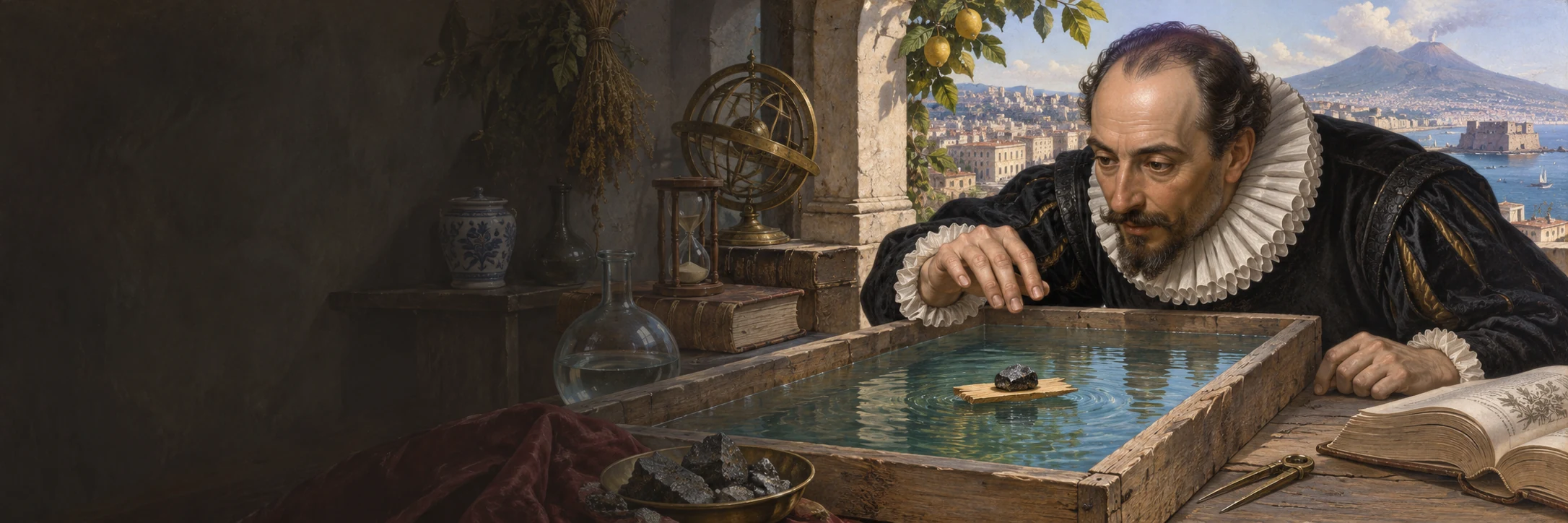
Prehistoric stone axe-heads are known to have been reused as so-called thunderstones in Roman times. They were intended to protect people and buildings from lightning. Greek inscriptions and magical images on individual examples support their interpretation as amulets.[6]
Such customs also appear in written sources outside the lapidaries. In the sixth century, Martin of Braga condemned the lighting of candles at stones, trees and springs in De correctione rusticorum. His text offers another way of approaching the religious significance of stones: through the responses of ecclesiastical writers to these practices.[7]
Local roots and later exchange
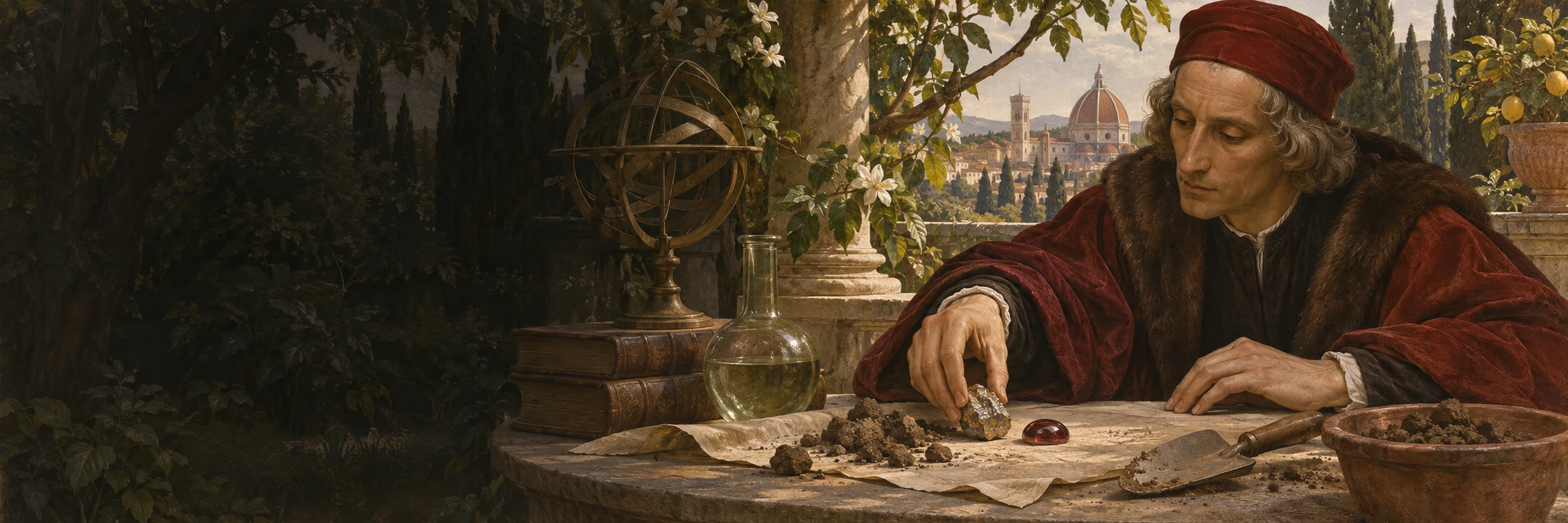
This is where the hypothesis of independent European roots comes in: ideas about a stone's special power might also have arisen from local experiences and customs. As lapidaries spread, they may have encountered existing beliefs, adding to them or giving them new interpretations. Near Eastern influences and European traditions could thus both have contributed to later beliefs about healing stones.

 Phone: +43 677 628 66 628 |


 Search

 Etymologiae · 1911 · XVI, 14, 2
 Cart