
 Phone: +43 677 628 66 628 |


 Search

Artist’s diary
Paul Klee
Can I, a crystal, die?
Paul Klee (1879–1940)
Tagebücher 1898–1918 · 1915 · edition 1957, entry 951, p. 323
Our translation from German.
Original text
Kann ich denn sterben, ich Kristall?
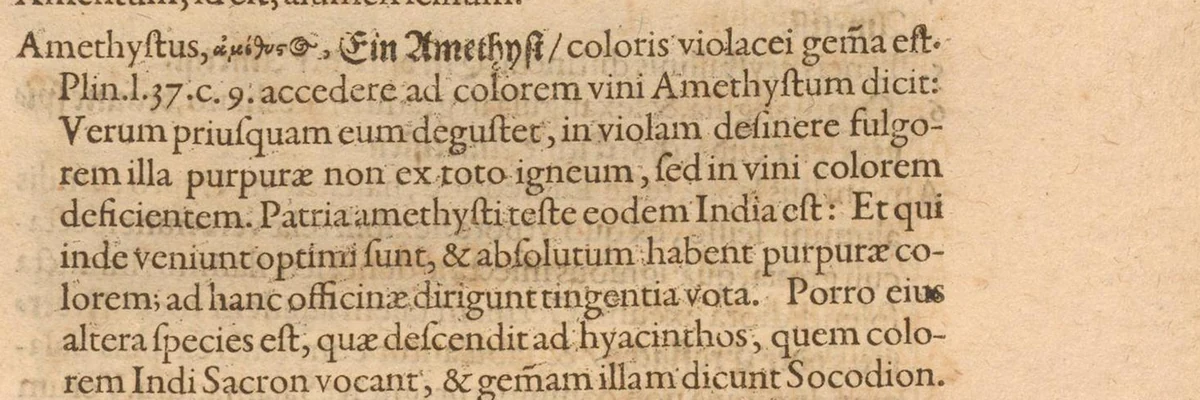
Anyone opening an alchemical book encountered a wealth of obscure words and puzzling signs. Martin Rulandus compared this difficulty to the confusion of tongues at the Tower of Babel. His lexicon was intended to help readers make sense of the writings of the alchemists and of Paracelsus.[1]
Behind the Latinised name was Martin Ruland the Younger (1569–1611), a physician in Prague who served as personal physician to the emperor Rudolf II. His Lexicon alchemiae sive dictionarium alchemisticum appeared in Frankfurt am Main in 1612, a year after his death.[1][2]
The work contains more than 3,200 Latin entries, often accompanied by German explanations and names. Short definitions alternate with detailed descriptions of substances, instruments and procedures. Ruland gathered terms from Paracelsian medicine, alchemy and metallurgy, bringing together expressions of different linguistic origins.[3]
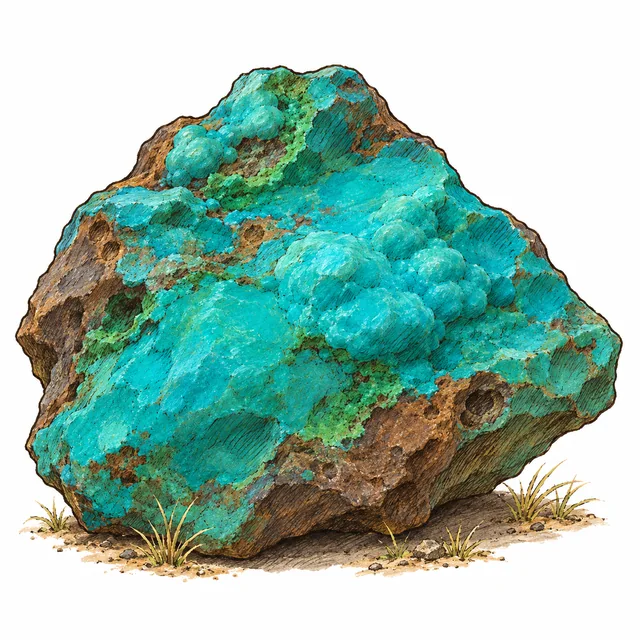
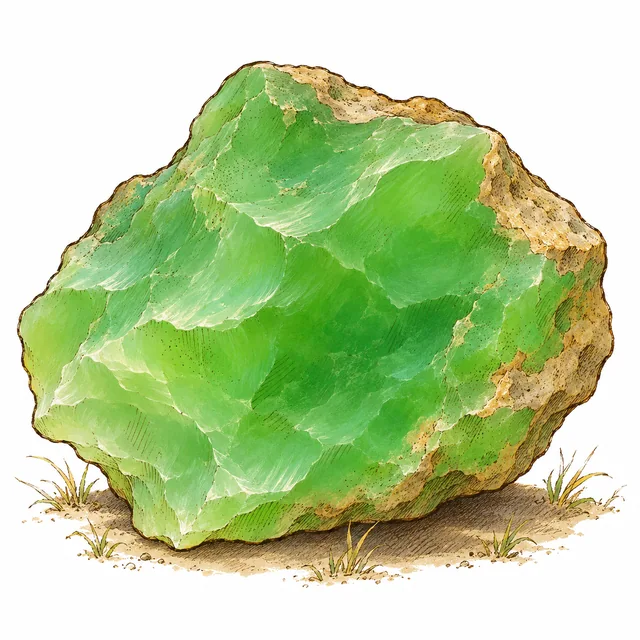
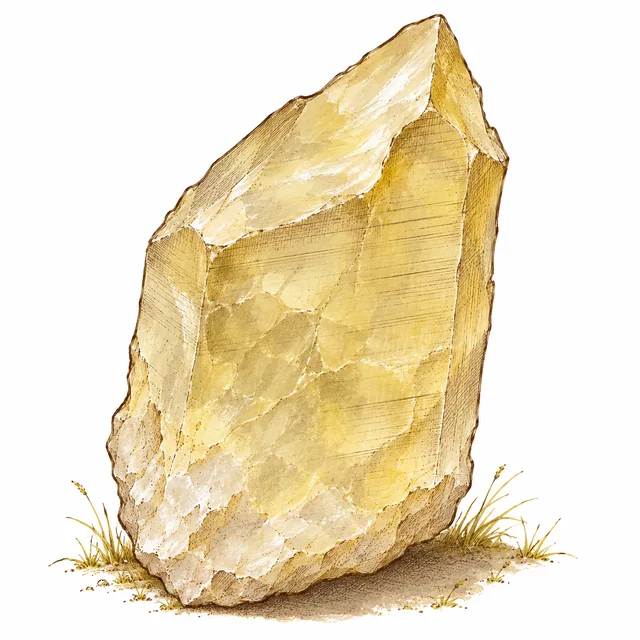
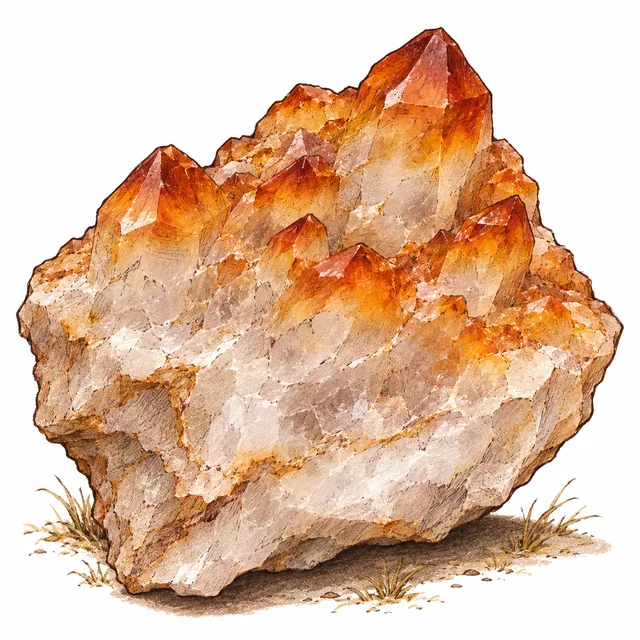
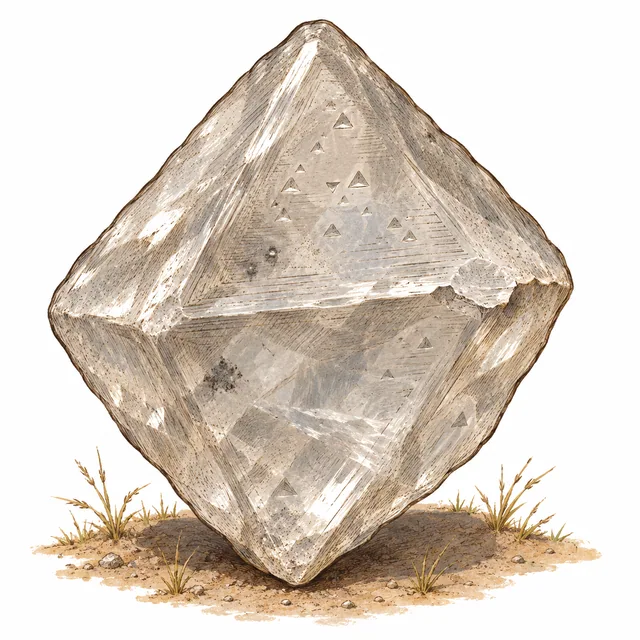
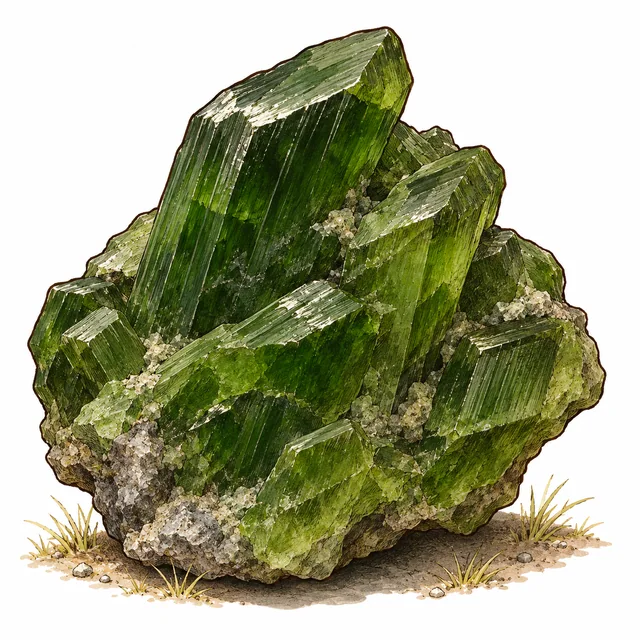
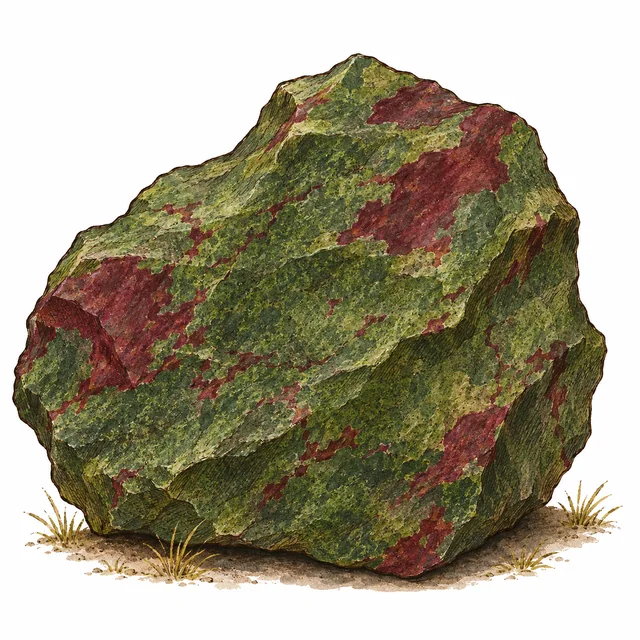
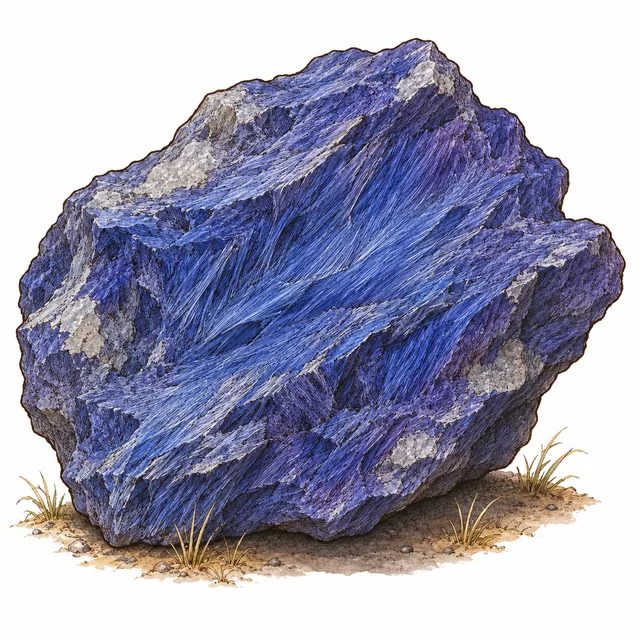
The lexicon also records a considerable body of knowledge about stones. A substantial group of entries begins with lapis, the Latin word for stone. Among them is a long section on the philosophers’ stone in which Ruland brings together the accounts of several authors. Natural stones also appear under their individual names.[3]
Under Amethystus, Ruland describes the violet colour of the stone, its varieties and the places where it is found. He names Pliny as his authority for earlier reports and mentions occurrences in Bohemia and Meissen. He also records the belief that amethysts could protect against drunkenness, evil thoughts and sorcery. These claims, however, appear under the dismissive phrase Magorum vanitas, roughly “the fanciful notions of magicians”. The entry thus also preserves criticism of the effects claimed for the stone.[1]
The lexicon explained the vocabulary of alchemy and mineralogy and preserved extensive earlier descriptions of substances. It aimed to open up specialist literature whose terms posed difficulties even for readers of Ruland’s own day. Another edition, published in 1661, carried the work beyond his lifetime.[1][2]
Towards the end of the nineteenth century, at the request of the future Lord Stafford, Arthur Edward Waite (1857–1942) arranged for an English version to be prepared. Waite was a member of the Hermetic Order of the Golden Dawn. A friend undertook the translation, and Waite contributed an appendix of his own. A Lexicon of Alchemy was initially printed for private circulation. In 1964 John M. Watkins issued an edition for the book trade. Ruland’s reference work thus also reached readers in modern occultist circles.[4][5]
The lexicon remains a source for the history of alchemy and its language. It helps readers understand older names for substances and interpret ambiguous technical expressions in context. A study published in 2026 used a digital text to examine terms of Arabic origin in particular. It shows how Ruland’s collection can be used to study the passage of knowledge across languages and cultures.[2][3]








 Cart