
 Phone: +43 677 628 66 628 |



Rigveda
Let these speak loudly forth; let us speak out aloud: to the loud speaking Pressing-stones address the speech; When, rich with Soma juice, Stones of the mountain, ye, united, swift to Indra bring the sound of praise.
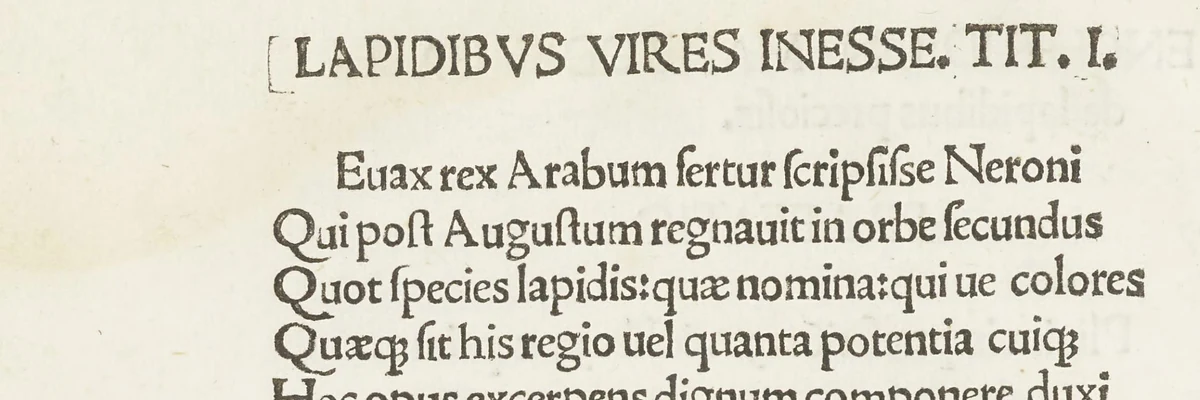
The agate that King Pyrrhus is said to have worn on his finger bore the figures of the nine Muses. Apollo stood among them playing the cithara. Nature herself, Marbod of Rennes relates, had drawn these figures in the stone. He retold the story in his Liber lapidum, the “Book of Stones”.[1]
Marbod (c. 1035–1123) directed the cathedral school at Angers and became bishop of Rennes in 1096. Written towards the end of the eleventh century, his lapidary describes sixty stones in Latin hexameters. It combines accounts of their origins and appearance with reports of their healing and protective powers.[1][2]
Marbod’s principal source was the lapidary of Damigeron-Evax, transmitted in Latin. He combined descriptions taken from it with information from Isidore of Seville’s Etymologiae and the works of Pliny and Solinus. In this way he gave material from several authors a concise poetic form.[2][3]
In the prologue Evax appears as a king of the Arabs who is said to have written to the emperor Nero about the kinds, names, colours and powers of stones. Marbod explains that he wishes to gather this material into a short book for himself and a small circle of friends.[1]
Marbod traced the special properties of stones to God.
“Great power is given to herbs, the greatest to gems.”
– Marbod of Rennes, Liber lapidum, prologue, line 23, Beckmann edition, p. 7. Our translation from Latin.[6]
Knowledge of these hidden powers, he writes, should also assist physicians in their work.[1]
Descriptions in the individual chapters stand side by side with reports of the effects attributed to the stones. Marbod credits adamas, for example, with protection against poison and frightening apparitions at night. It was also said to quiet quarrels. The help people hoped stones might bring extended from illness to the dangers and conflicts of everyday life.[1]
Through his lapidary Marbod became an important intermediary for ancient beliefs about the powers of stones. Material from his book reappears in the natural encyclopaedias of the thirteenth century, among them Thomas of Cantimpré’s Liber de natura rerum. An adaptation of Thomas’s work later became the basis for Conrad of Megenberg’s Buch der Natur.[4][5]
Manuscript copies preserved the text and made it available to other writers. A French verse translation appeared as early as the twelfth century. Versions in English, Occitan and Hebrew, among other languages, show how far it travelled. An edition was printed in Vienna in 1511. This transmission helped keep Marbod’s account of stones in circulation and under revision for centuries.[2]
The surviving versions make the Liber lapidum a valuable source for the history of the study of stones. They allow us to investigate the properties people attributed to stones and the ways in which earlier accounts were adopted, expanded or altered. Comparison with Marbod’s sources and the works of his successors helps trace the routes this knowledge took.[3][4]
 Search
Let these speak loudly forth; let us speak out aloud: to the loud speaking Pressing-stones address the speech; When, rich with Soma juice, Stones of the mountain, ye, united, swift to Indra bring the sound of praise.
We must consider that the many-coloured appearances of stones denote either as white, the luminous; or as red, the fiery; or as yellow, the golden; or as green, the youthful and the full grown; and within each likeness you will […]
Pseudo-Dionysius the Areopagite (c. 500)
 On the Heavenly Hierarchy · 1899 · p. 63
Wording of the English edition.
[…] and in stones there is a petrifying quality, vapour or steam, that doth turn the matter aggregated, into the nature of this or that stone; as in flint, to flint; in greet, or free-stone, to the like.
“For,” I argued, “who can tell but this cave may be the home of Marble, and this, essential Marble—that spirit of marble which, present throughout, makes it capable of being moulded into any form?”
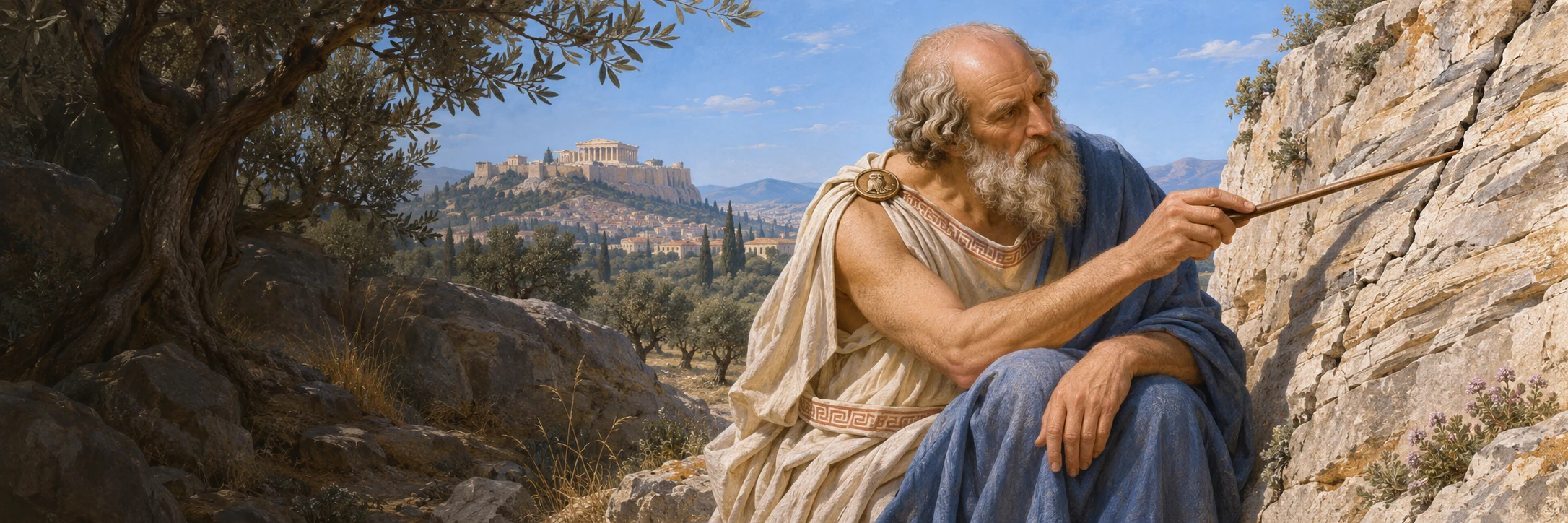
Thus earth, when compressed by air into a mass that will not dissolve in water, forms stone; of which the transparent sort made of equal and uniform particles is fairer, while that of the opposite kind is less fair.
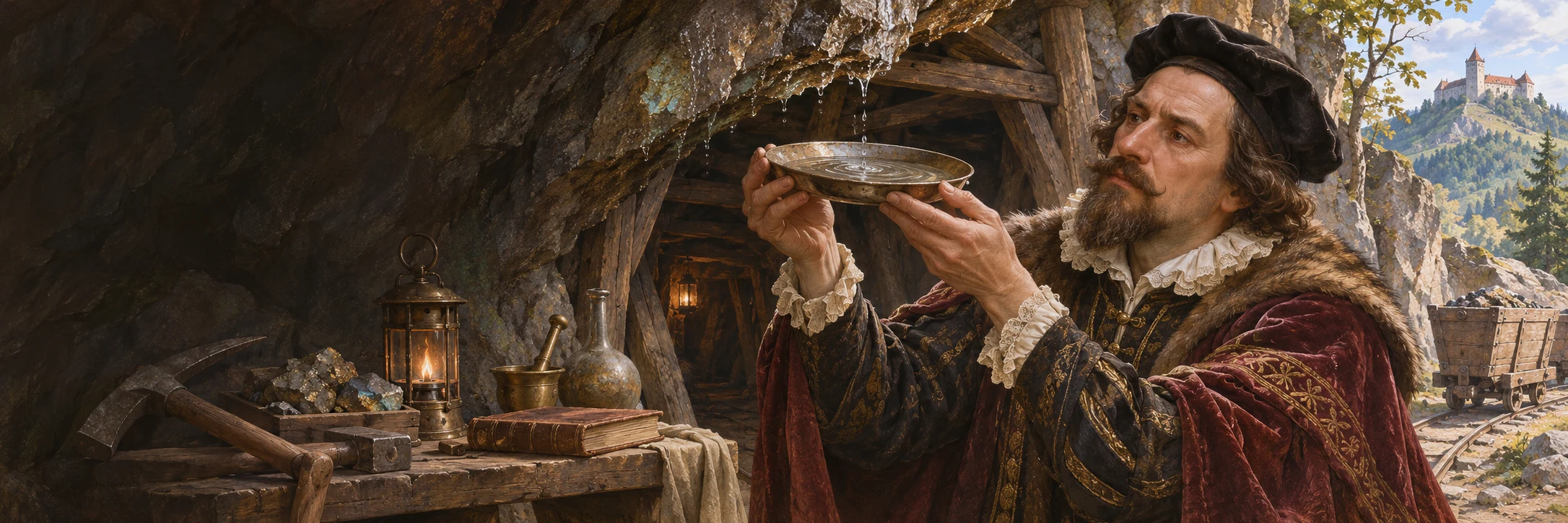
When the four Elements distill their vapour into the center of the earth, and the Archeus of nature sends forth the same, and sublimes it; this whilest it passeth through places, and the pores of the earth, takes along with it […]
Michael Sendivogius (1566–1636)
A New Light of Alchymie · 1650 · p. 14
Wording of the English edition.
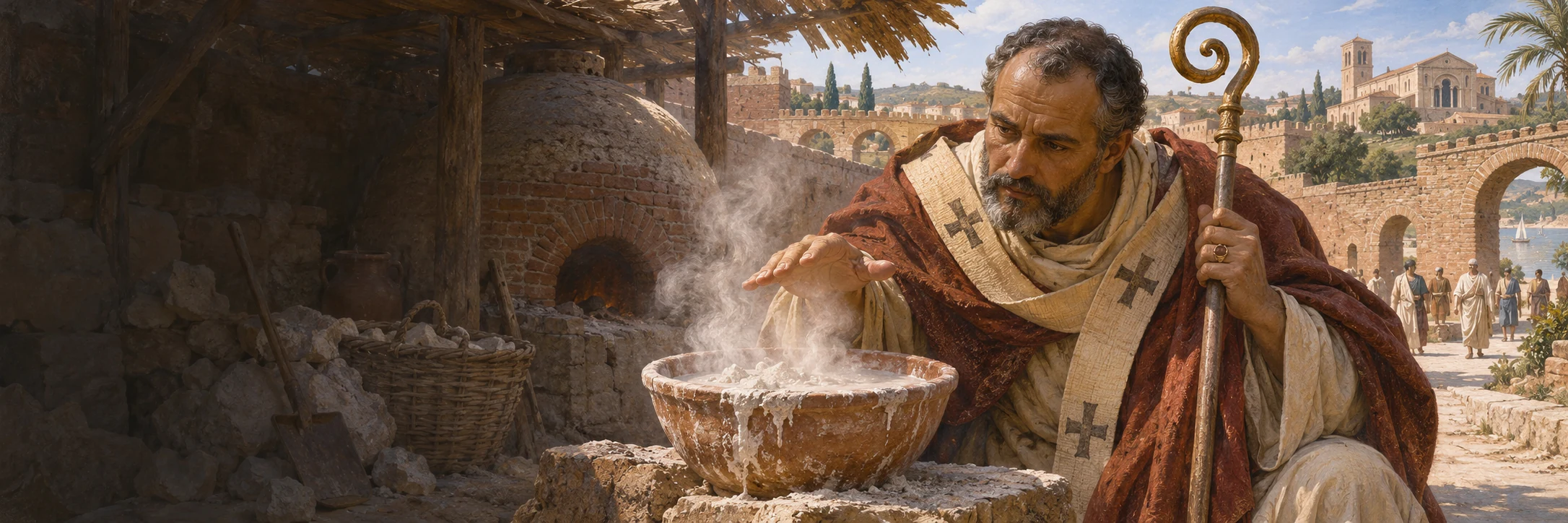
And therefore we call it quicklime, the invisible fire being as the soul of that visible body. But the wonder is that when it is killed it is quickened.
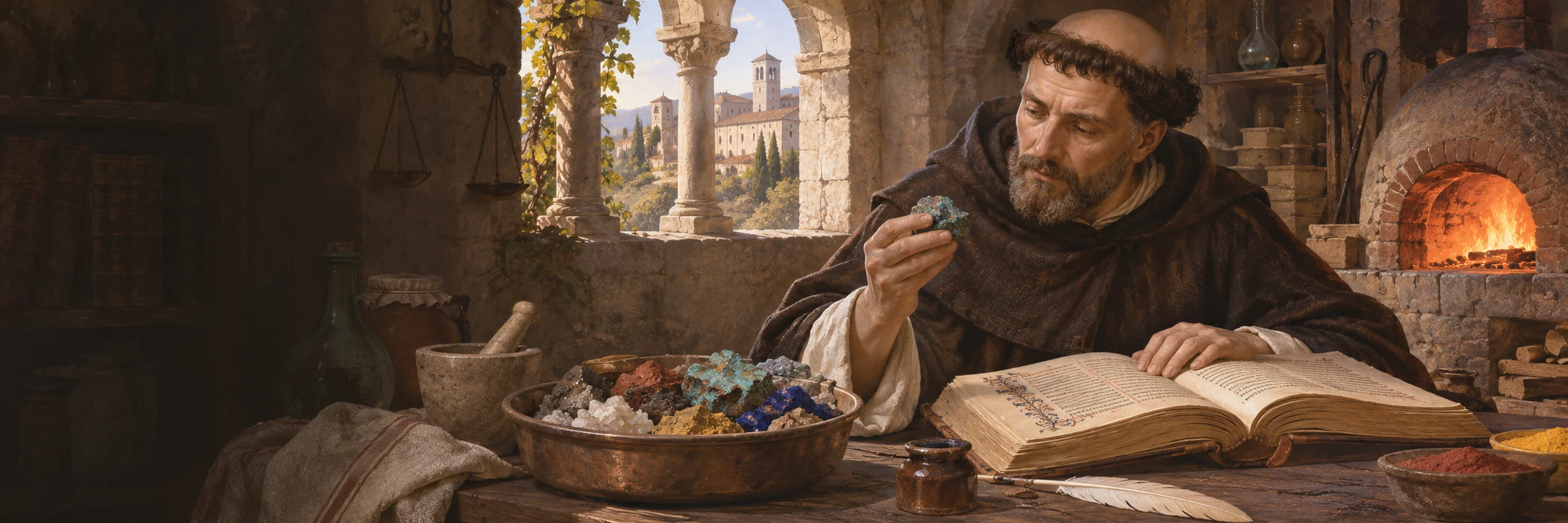
So our Stone is borne, and come out of one confused masse, containing in it the foure Elements, which is created of God, and by his sole miracle our stone is borne.
Hortulanus (Middle Ages)
Commentary on the Emerald Tablet · 1597 · p. 20
Wording of the English edition.
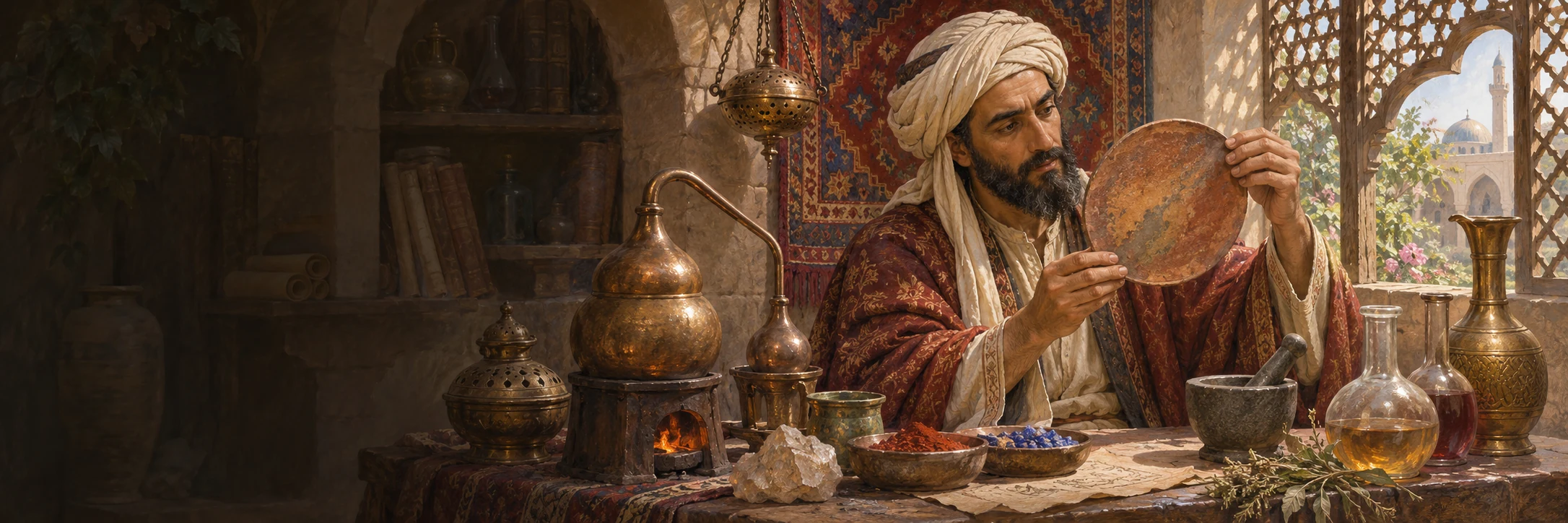
I notify to posterity that the rotundum turns into four elements, and is derived out of one thing.
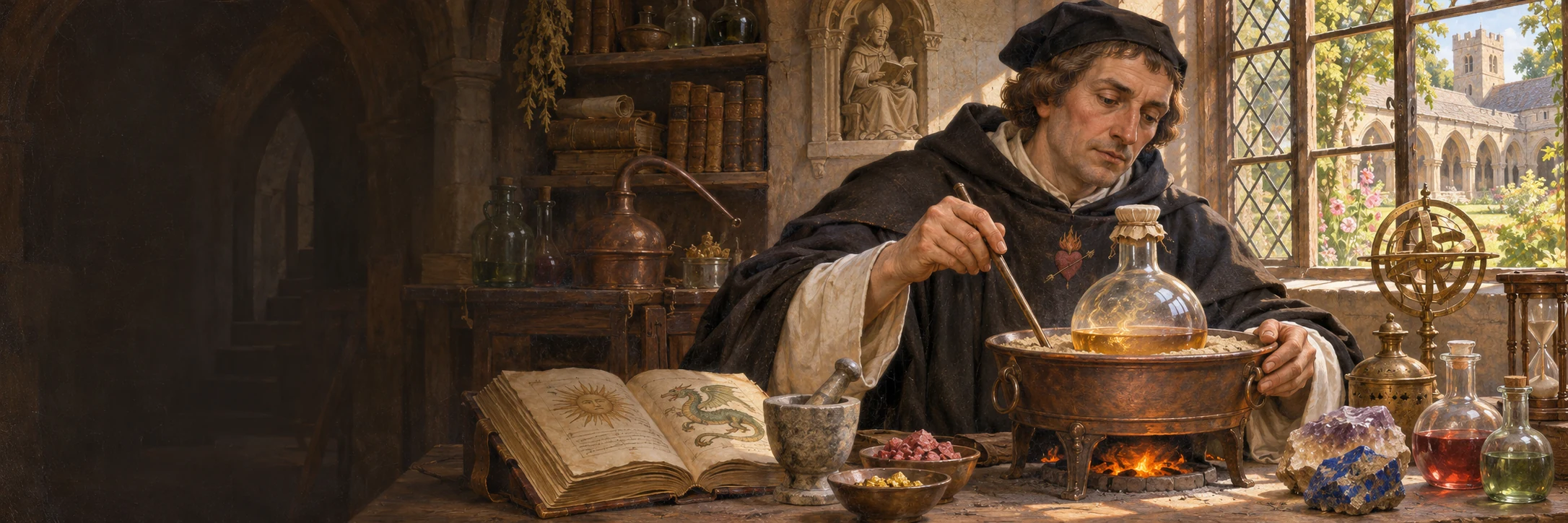
And in one Glas wyth one governaunce 4 Naturs turne into one.
George Ripley (15th c., d. c. 1490)
The Compound of Alchymy · 1652 · p. 188
Wording of the English edition.
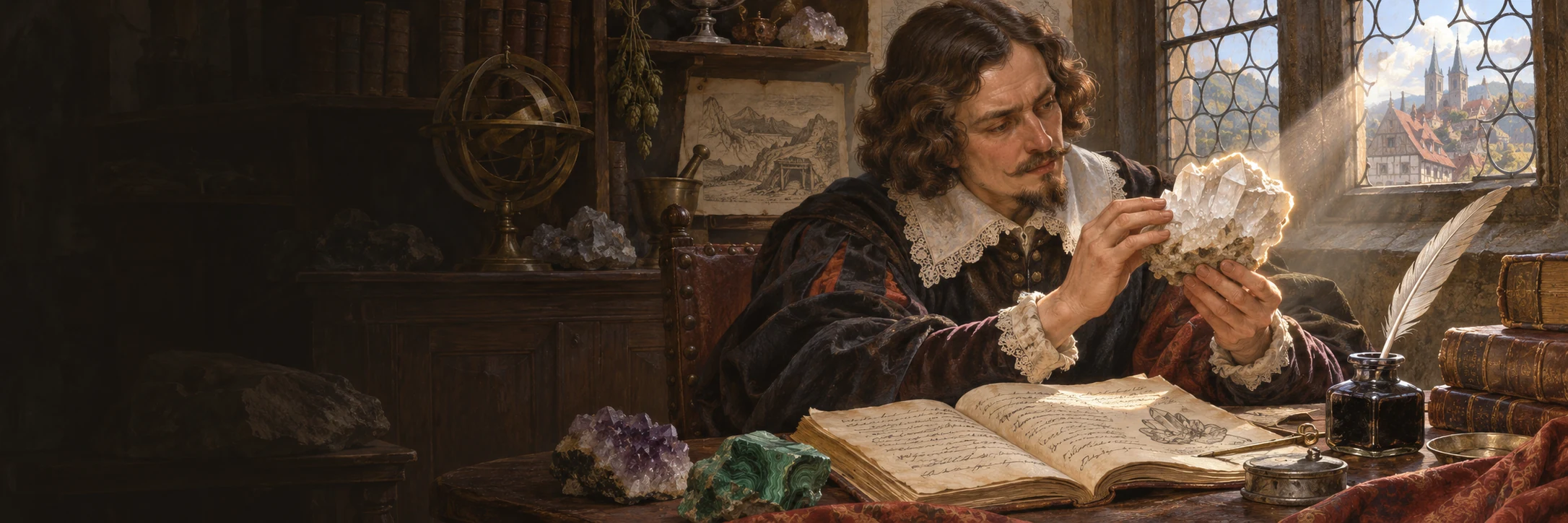
O thou that resemblest Nature, which dissolvest her tractable nature, that exaltest Nature—that art crowned with light, and preservest in thyself the four elements, out of which the quintessence is made!
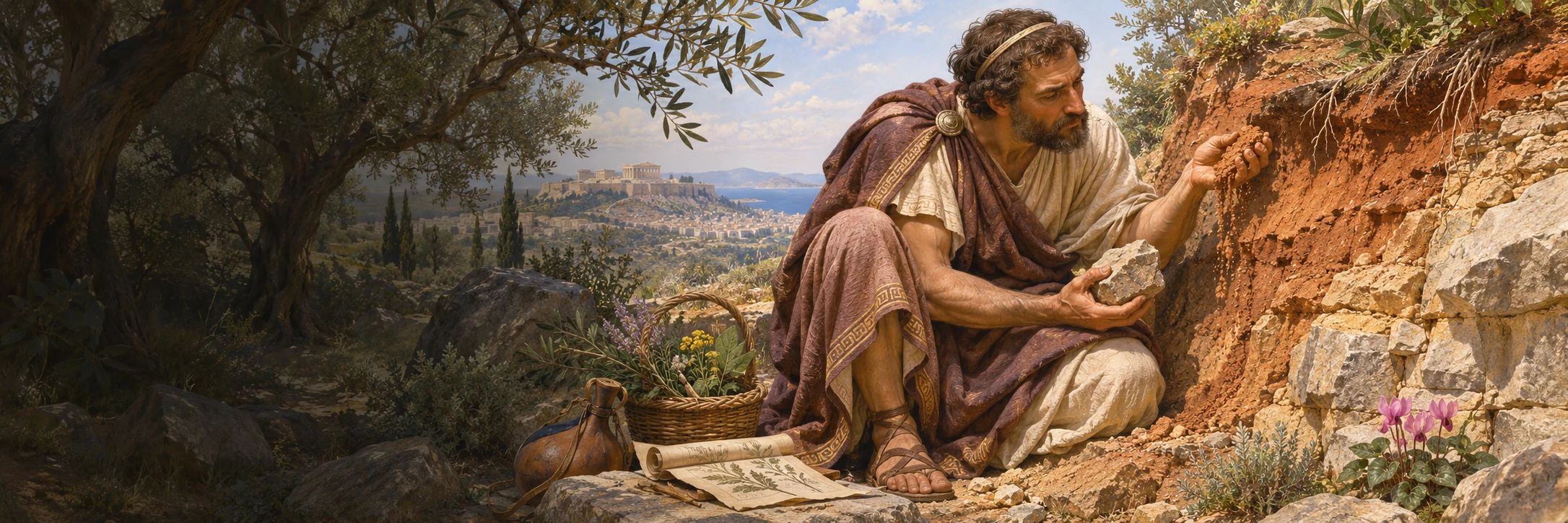
Of Things formed in the Ground, some have their Origin from Water, others from Earth. Water is the Basis of Metals; as Silver, Gold, and the rest: Earth of Stones; as well the more precious, as the common […].
Theophrastus of Eresus (c. 371–c. 287 BCE)
Wording of the English edition.
 Cart