
 Phone: +43 677 628 66 628 |


Friedrich Hebbel
Has everything that surrounds us as an element at rest, as earth and stone, already been alive?
Friedrich Hebbel (1813–1863)
 Friedrich Hebbels Tagebücher, erster Band · p. 295
Excerpt. Our translation
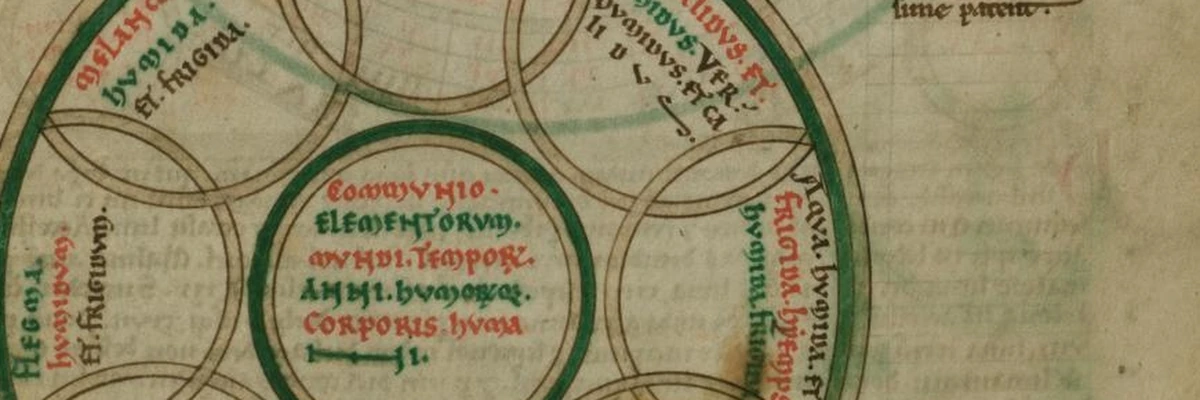
Painters take different pigments, mix more of one and less of another, and bring trees, people and animals into being in their pictures. Empedocles used this comparison to explain the diversity of nature. In the world too, he believed, different things arose from mixtures of the same basic substances.[1]
Empedocles lived in the fifth century BC in Akragas, modern-day Agrigento in Sicily. He was one of the Presocratics, the early Greek thinkers who asked what the world was made of.[2]
Empedocles developed his teaching on the four roots in a didactic poem that has come down to us under the titles On Nature (Peri physeōs) and Physika. In it he addresses Pausanias and introduces him to his explanation of the world. He considers the origins of the cosmos and of living things, as well as perception and thought. The four roots, together with Love and Strife, form the foundations of his account of nature.[2][3]
For Empedocles, earth, water, air and fire were the four “roots” of all things. These basic substances were imperishable. What people perceived as coming into being and passing away he explained by their mixing and separation. A living thing could form and fall apart again, while the substances of which it was made endured.[1]
Two forces drove this process: Love and Strife. Love brought the roots together, and Strife separated them again. For Empedocles, their changing influence determined the course of the world, in which union and separation followed one another again and again.[1]
“First hear the four roots of all things […]”
– Empedocles, On Nature, fragment DK 31 B 6, line 1. Our translation from Greek.[8]
Empedocles also gave the four roots the names of deities: Zeus, Hera, Aidoneus and Nestis. Zeus appears as radiant and Hera as life-giving. Nestis is associated with tears that feed the waters for mortals. The basic substances in his account of nature thus also had a divine character.[3]
Even in antiquity, however, accounts differed as to which deity corresponded to which element. The connection between Nestis and water is particularly clear. Interpretations of the other names vary. The surviving verses therefore do not allow us to assign all four names to their elements with certainty.[3]
With his teaching on earth, water, air and fire, Empedocles laid a foundation for natural philosophy that shaped thought beyond antiquity and throughout the Middle Ages. It was above all in the form further developed by Aristotle that the theory of the four elements became a dominant model for explaining nature. For many centuries it shaped the way scholars understood the structure of the world and the properties of its substances. Its influence extended into the early modern period.[4][6][7]
Only parts of the didactic poem On Nature survive. Many verses endured because later authors quoted them in their works. The philosopher Simplicius, for instance, preserved the comparison with painters in his commentary on Aristotle’s Physics. Copies of works such as this also preserved parts of Empedocles’ poetry.[1][3]
Today these fragments are important sources for the beginnings of the theory of the four elements. They allow us to compare Empedocles’ own words with later interpretations. Ancient copies on papyrus also add to the surviving record: in 2025, thirty previously unknown verses from a papyrus held in Cairo were published. Even after more than two millennia, the body of texts from which we can understand his ideas continues to grow.[3][5]
 Search
Has everything that surrounds us as an element at rest, as earth and stone, already been alive?
Friedrich Hebbel (1813–1863)
Friedrich Hebbels Tagebücher, erster Band · p. 295
Excerpt. Our translation
For, though Moses have left no mention of minerals, nor made any other description than suits unto the apparent and visible creation, yet is there, unquestionably, a very large class of creatures in the earth, far above the condition of elementarity.
Thomas Browne (1605–1682)
The Works of Sir Thomas Browne, vol. I, containing four books of Vulgar Errors · p. 109
Original wording

Blue lambent light around the Sapphire plays, Bright Rubies blush, and living Diamonds blaze.

A snow-crystal is the same to-day as when the first snows fell.
A crystal is an entire celestial body. It is determined by central forces, which are in turn awakened and guided by forces that divide, by forces of light.
Lorenz Oken (1779–1851)
Lehrbuch der Naturphilosophie. Zweite umgearbeitete Auflage · p. 82
Our translation
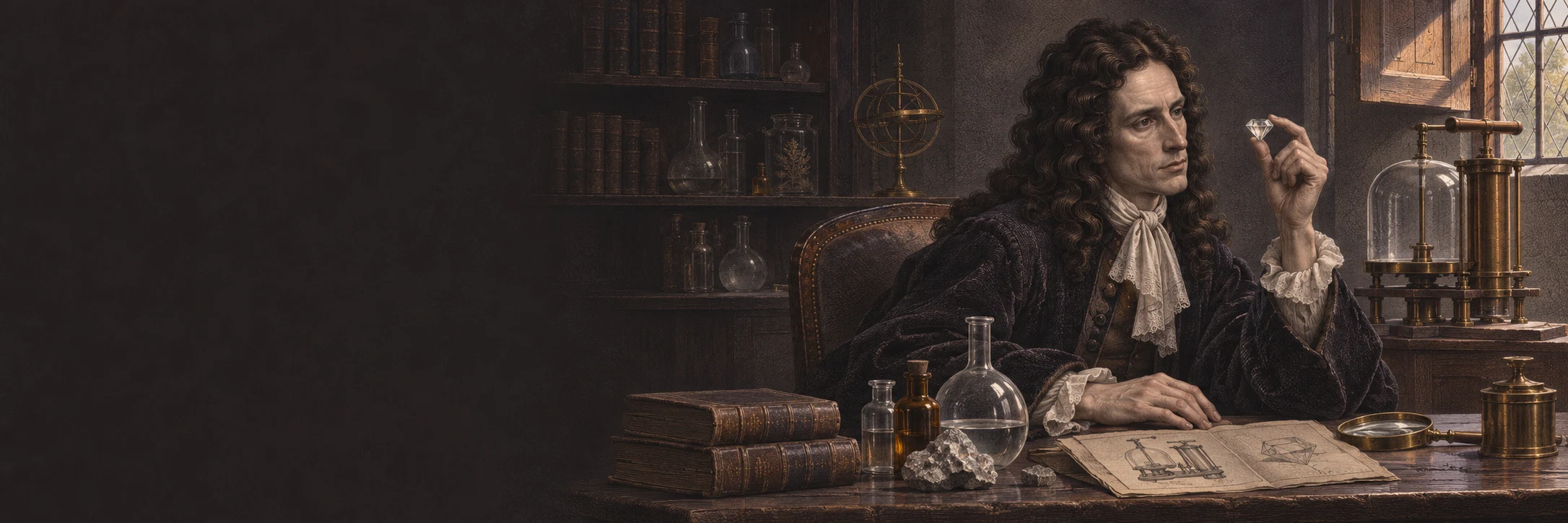
Eleventhly, I also brought it to some kind of Glimmering Light, by taking it into Bed with me, and holding it a good while upon a warm part of my Naked Body.

The hand works ceaselessly and with care, the heart has withered to all that is human, the hard stone has begun to feel;

To burn always with this hard, gemlike flame, to maintain this ecstasy, is success in life.

A fairy-tale forest of old larch trunks, covered in fine green hair, stood on an emerald slope. Beneath the moss violet and white crystals might be alive.
Robert Musil (1880–1942)
Grigia. Novelle. Mit sechs Radierungen von Alfred Zangerl · p. 16
Our translation
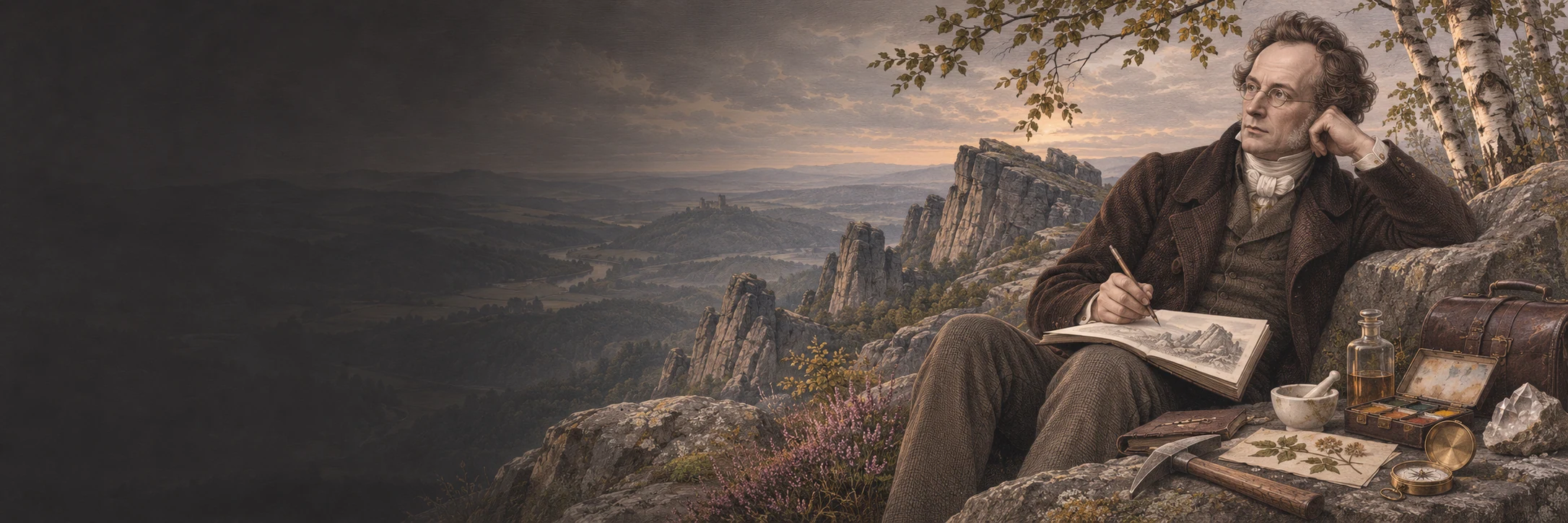
The first thing within the mass of the solid earth that foreshadows and prepares the way for the individual life of creatures later to inhabit its surface is the crystal.
Carl Gustav Carus (1789–1869)
Natur und Idee oder das Werdende und sein Gesetz · p. 178
Our translation
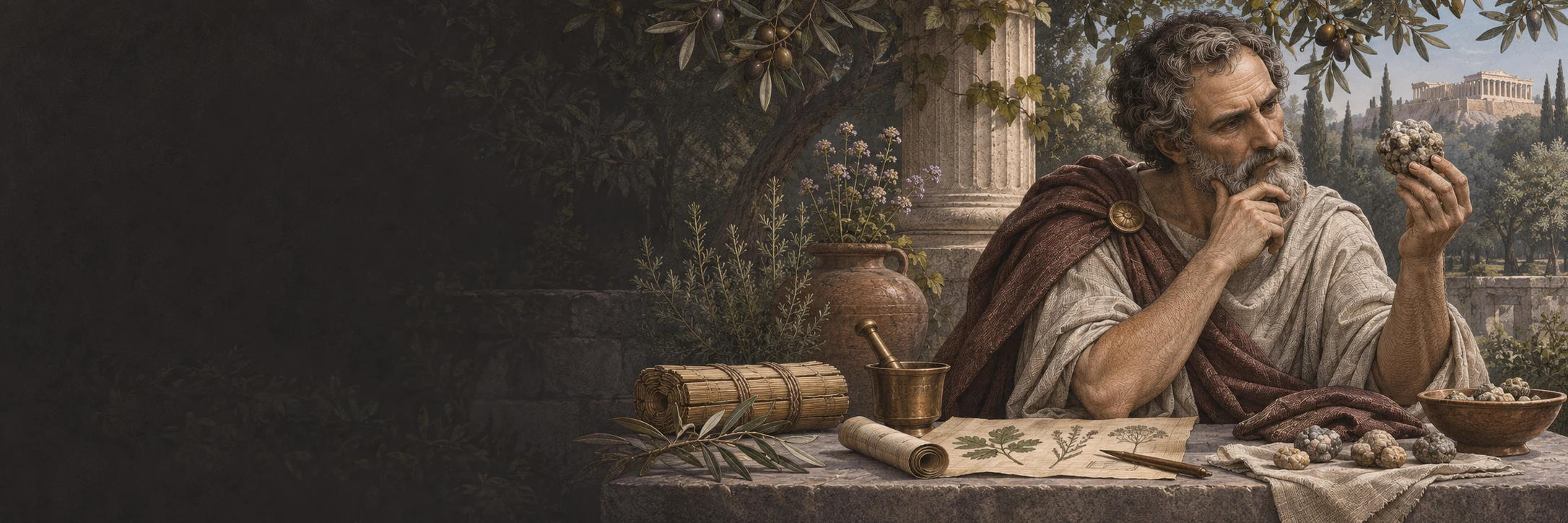
The greatest, however, and most wonderful of all the Qualities of Stones is that (if the Accounts of it are true) of those which bring forth young.
Theophrastos von Eresos (c. 371–c. 287 BCE)
Über die Steine · 1774 · p. 27
English translation by John Hill
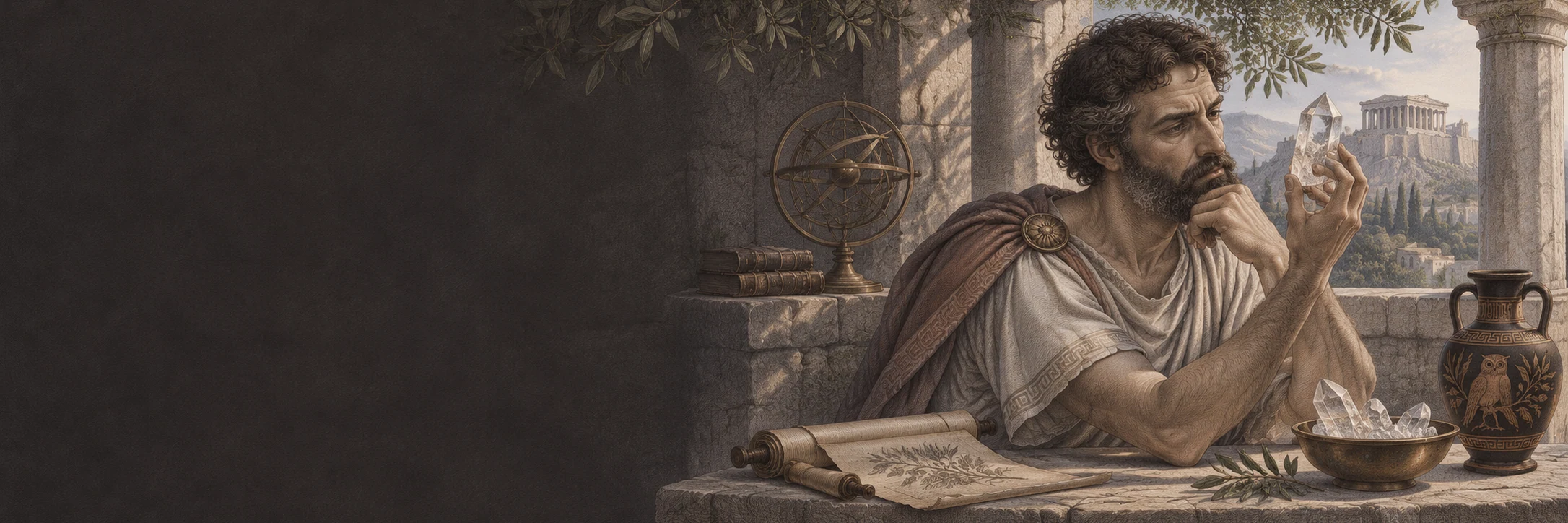
Take the shining, transparent crystal in your hands, the stone, an outflow of undying, fiery radiance.
 Cart