
 Phone: +43 677 628 66 628 |


Book of Isaiah
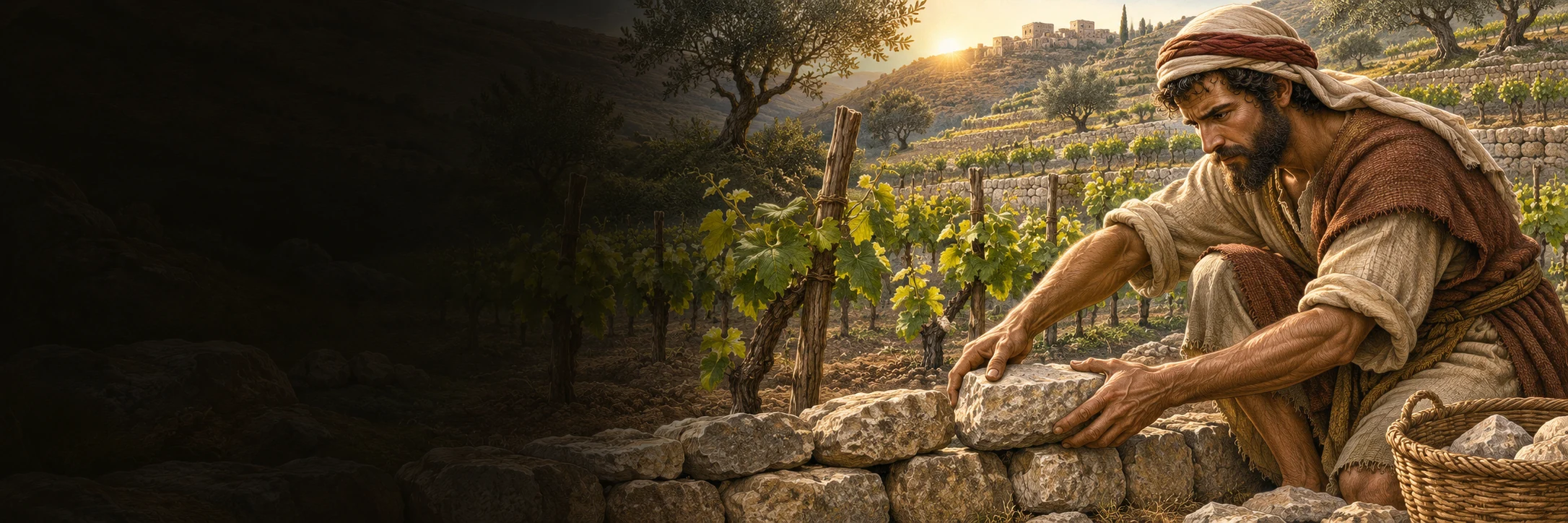
He fenced it in, protected it with heaps of stones and planted choice vines in it. He also built a tower in it and dug a winepress there, and waited for it to bear grapes, but it bore wild grapes.
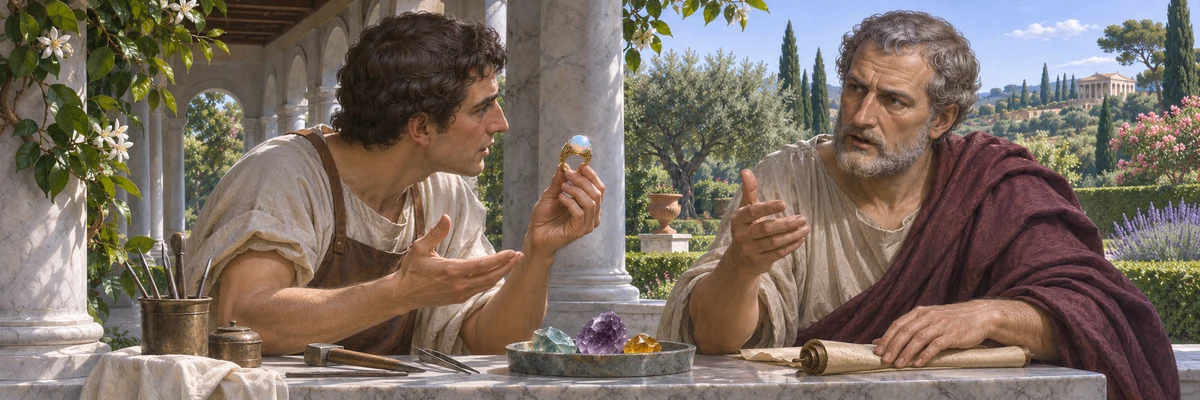
When the senator Nonius had to flee, he took only a ring from all his possessions. Set in it was an opal that Pliny the Elder valued at two million sesterces. According to Pliny, Mark Antony had its owner proscribed on account of the stone. Pliny marvelled as much at Antony’s greed as at the tenacity of Nonius, who refused to give up his ring.
Pliny the Elder (AD 23/24–79) devoted the thirty-seventh and final book of his Naturalis historia to gemstones. He described their colours and origins and how they were worked. He also wrote about collectors, imitations and precious rings. His account of the stones brought natural history together with life in the Roman world.
Pliny attached particular importance to where stones came from. He names places in India, Arabia and Egypt where they were found and distinguishes different varieties by their appearance and quality. These details also show how far Roman buyers looked beyond the borders of their empire.
He drew on earlier Greek and Roman authors. Theophrastus appears in the book on stones, as does the Roman scholar Varro. Pliny often records who had described a particular place of origin or a property of a stone. Alongside the stones themselves, the voices of his predecessors can still be heard in the text.
The so-called lynx stone shows how critically Pliny could approach such accounts. Earlier writers said that it formed from the urine of a lynx. Even Theophrastus had repeated accounts of the stone. Pliny considered the story false and doubted that anyone in his own time had ever seen such a stone. He also dismissed the healing properties attributed to it.
The significance of this collection extends beyond Pliny’s own time. He preserved information from earlier writings that were subsequently lost, some of which are known only through his account. His book on stones thus gives us access to knowledge whose original sources are now missing.
The survival of this knowledge in turn owes much to the manuscript copies of the Naturalis historia. They transmitted the work throughout the Middle Ages. It was first printed in Venice in 1469 by Johannes of Speyer. Comparing the manuscripts remained important because errors and omissions had crept in during copying.
Today, Book 37 helps us understand where stones came from, how they were traded and how they were valued in antiquity. A study published in 2019 compared Pliny’s account with ten collection catalogues containing more than 4,000 gems and glass objects. What was recorded in writing can thus be tested against surviving objects.
The precise descriptions matter. Ancient stone names do not always denote the same mineral species as their modern counterparts. Colour, place of origin and other properties therefore need to be considered together to understand which stone Pliny meant.
 Search
He fenced it in, protected it with heaps of stones and planted choice vines in it. He also built a tower in it and dug a winepress there, and waited for it to bear grapes, but it bore wild grapes.
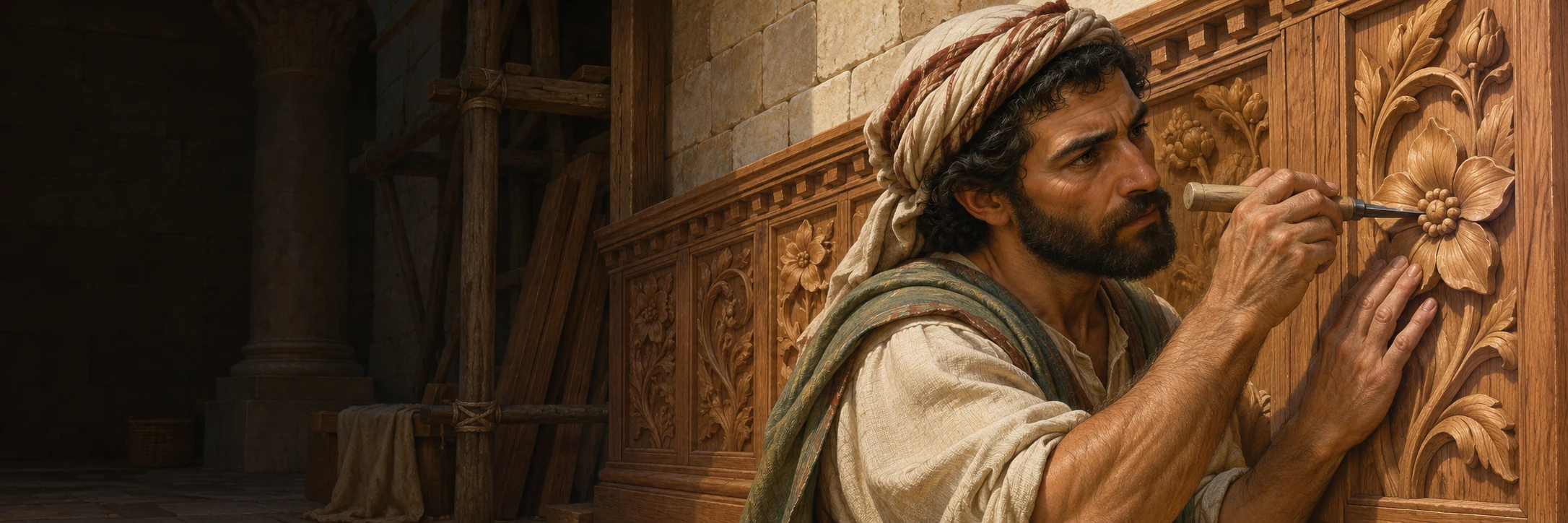
Inside, the whole house was cedar, with carved knobs and flower-work, so that no stone could be seen.

For amongst the Stones they especially are called earthy that are dark, and more heavy; and those waterish, which are transparent, and are compacted of water, as Crystall, Beryll, and Pearls in the Shels of Fishes […]
Heinrich Cornelius Agrippa von Nettesheim (1486–1535)
 De occulta philosophia · 1651 · p. 18–19
Wording of the English edition.
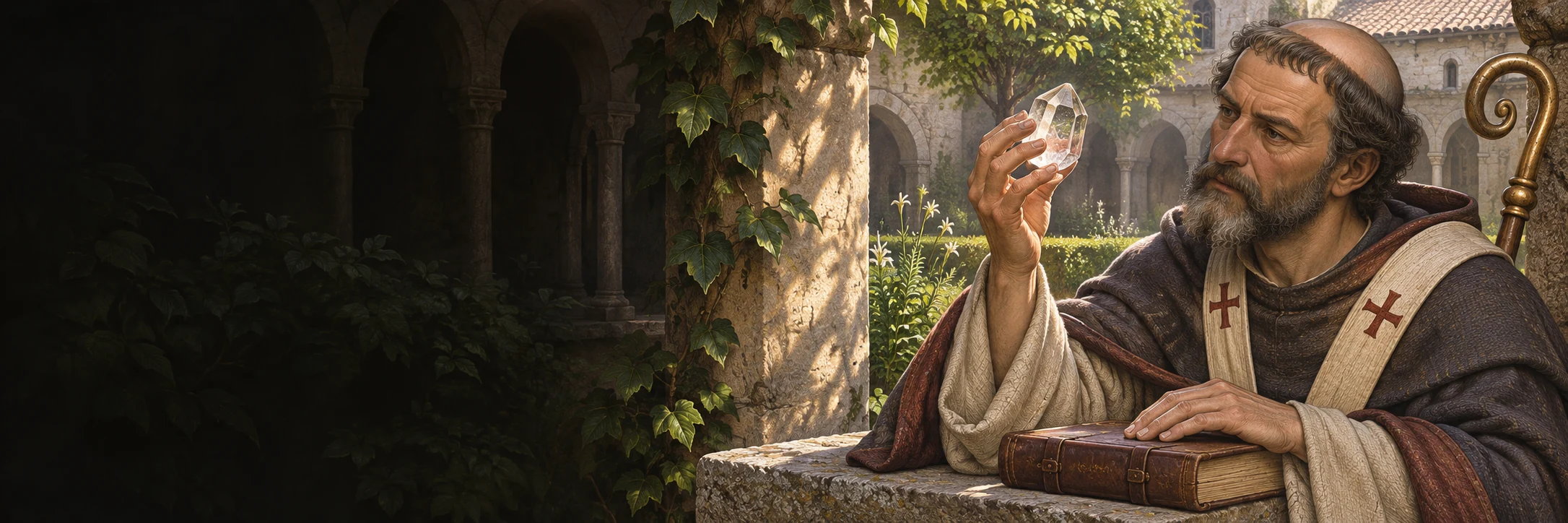
[…] that this stone, placed in the sun, takes fire and with it will kindle tinder fungus brought up close.
Marbod of Rennes (c. 1035–1123)
Liber lapidum · 1799 · p. 70–71
Our translation from the Latin edition.
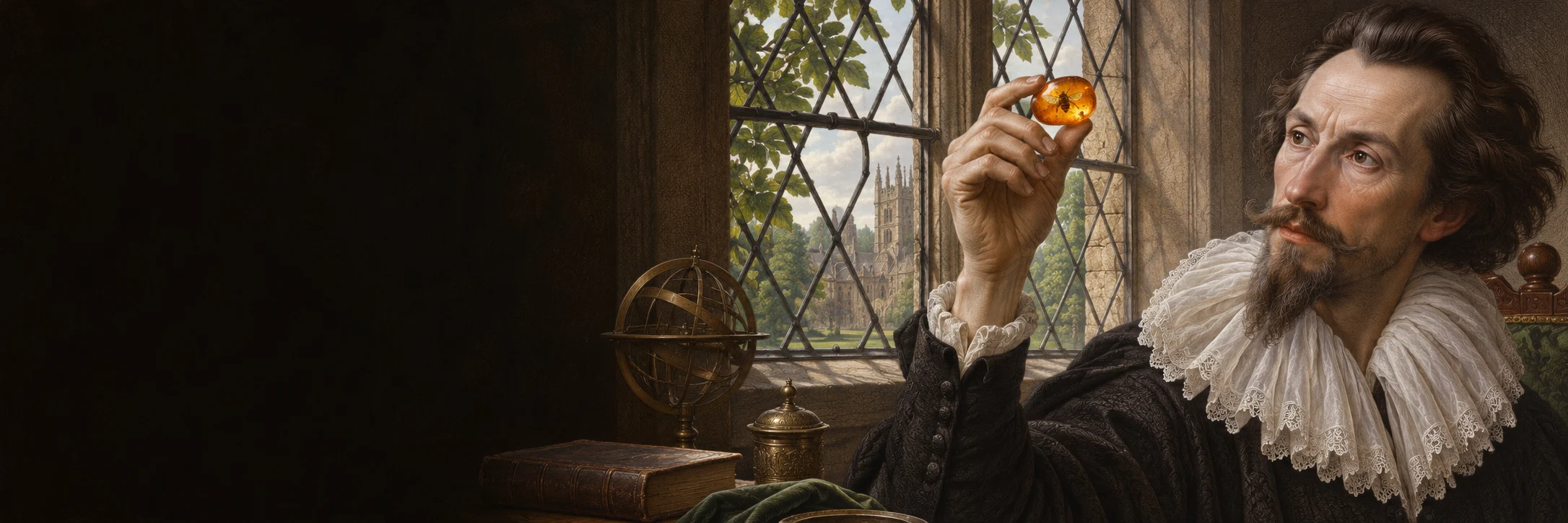
This, as an Amber drop enwraps a Bee, Covering discovers your quicke Soule […]

A soul sheath’d in a crystal shrine, Through which all her bright features shine, […]
Richard Crashaw (c. 1613–1649)
In Praise of Lessius His Rule of Health · 1857 · p. 100
Wording of the English edition.
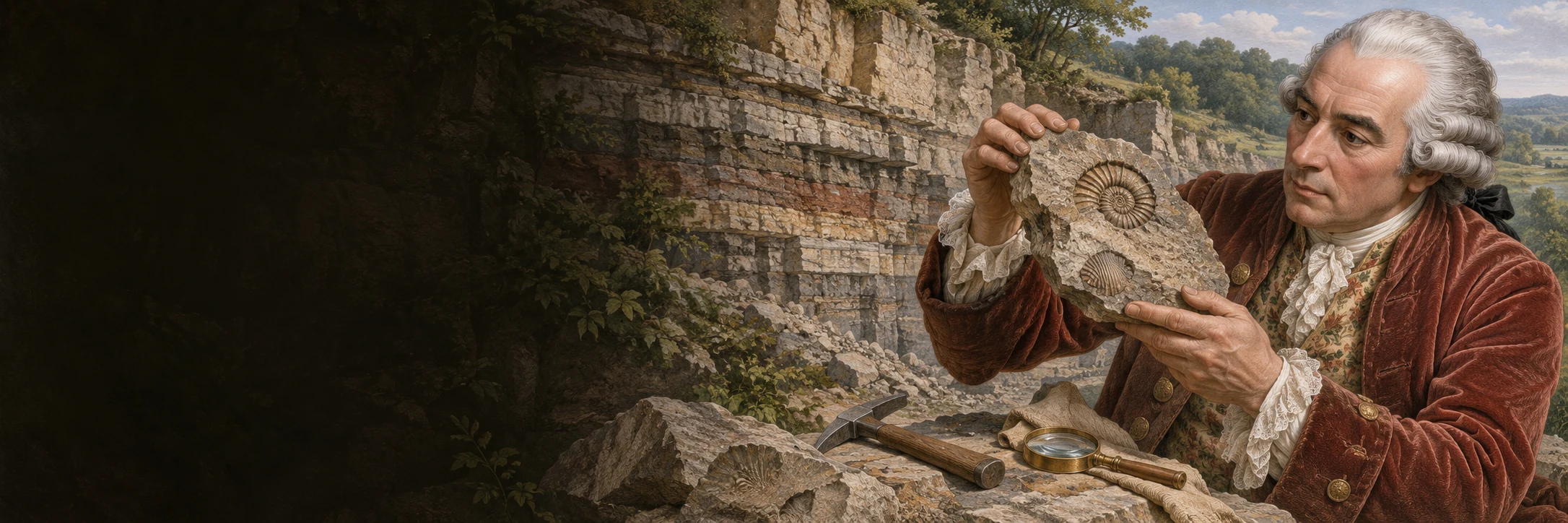
[…] in natural history one must search the archives of the world, draw ancient monuments from the bowels of the earth, collect their fragments and assemble into a body of evidence all the indications of the physical changes […]
Georges-Louis Leclerc de Buffon (1707–1788)
Les Époques de la nature · 1778 · p. 1–2
Our translation from the French edition.
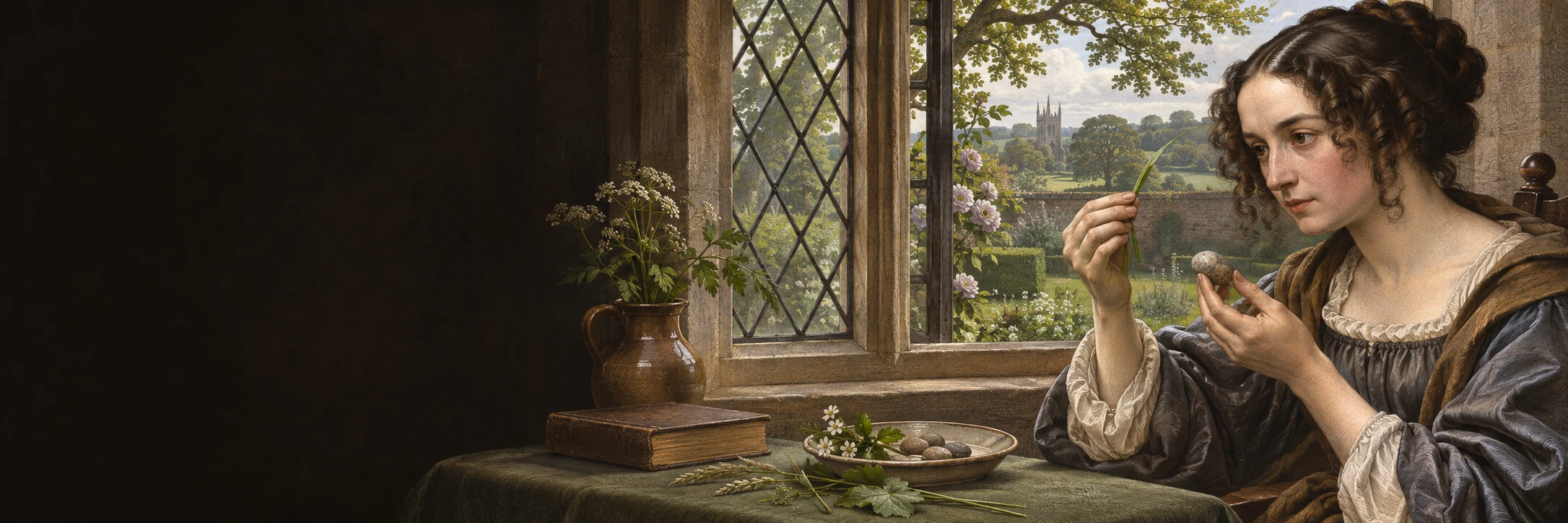
[…] as from a Stone into Earth, and from Earth into Grass, and from Grass to a Sheep, and from a Sheep into Humane Flesh, and from Humane Flesh into the most servile Spirits of Man, and from these into his noblest Spirits […]
Anne Conway (1631–1679)
The Principles of the Most Ancient and Modern Philosophy · 1692 · p. 153
Wording of the English edition.
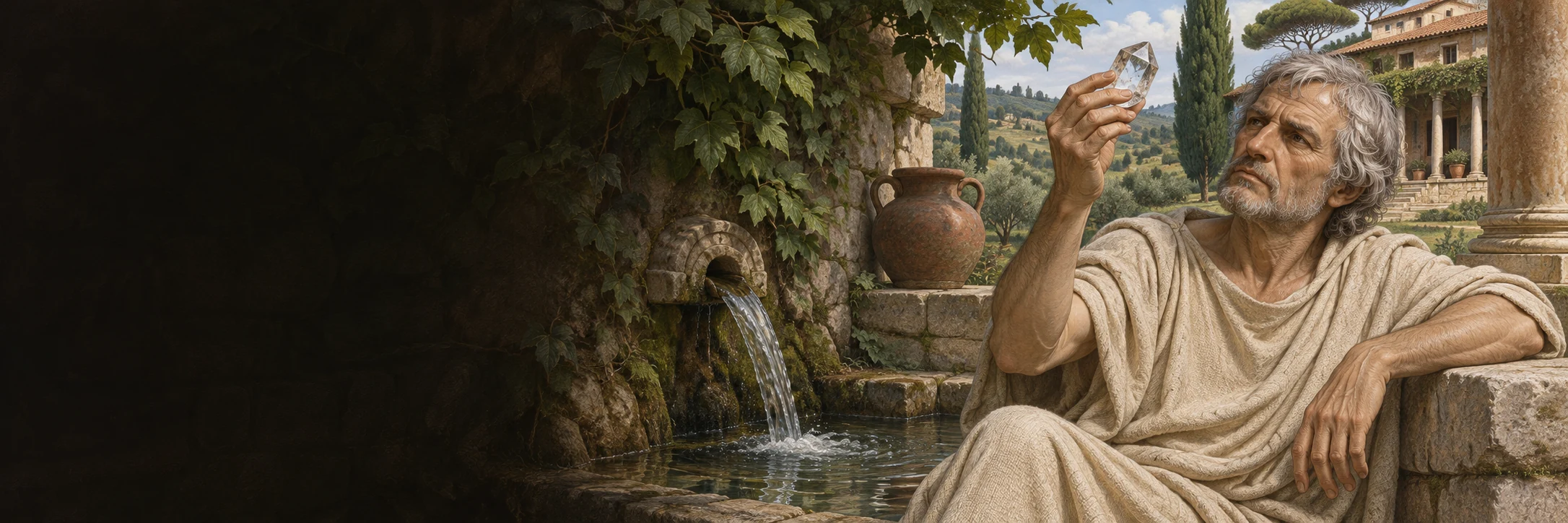
Rain water, which contains very little solid matter, once it is frozen becomes more and more condensed through the persistence of the longer cold until all the air is expelled, and it is compressed to the last degree; then what […]
Lucius Annaeus Seneca (c. 4 BCE–65 CE)
Natural Questions · 1910 · p. 140
Wording of the English edition.
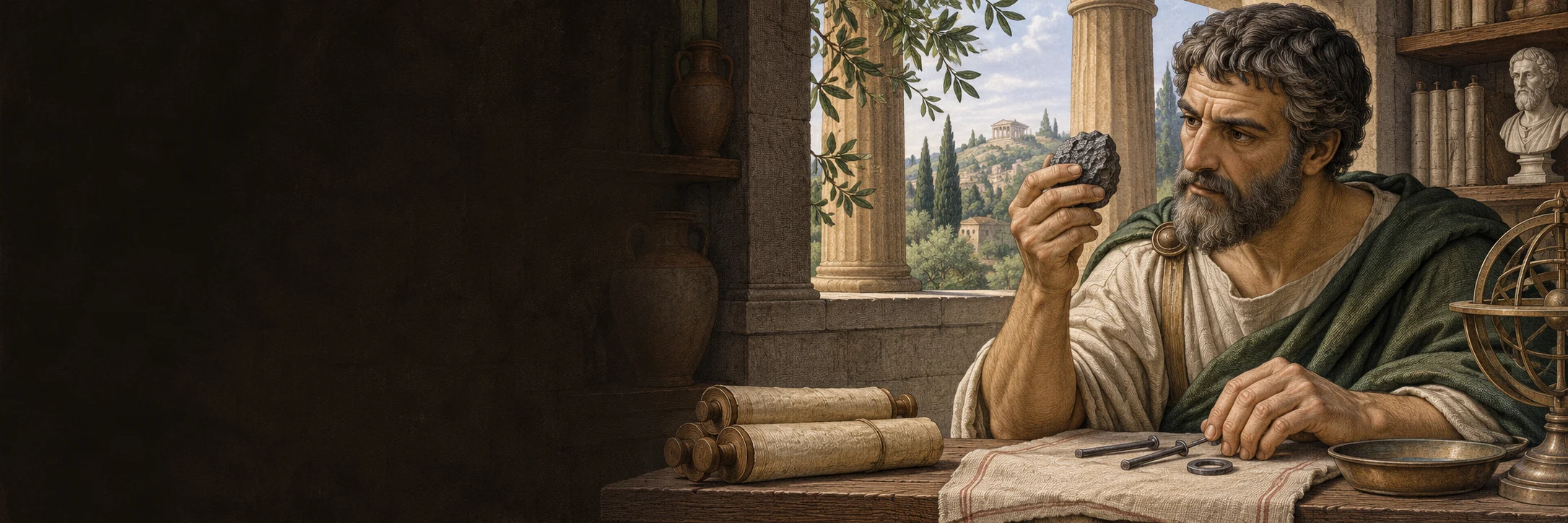
Thus are we moreover informed by Manetho, that the Load-stone is by the Egyptians called the bone of Orus, as Iron is, the bone of Typho.
Plutarch of Chaeronea (c. 45–after 119 CE)
On Isis and Osiris · 1744 · p. 85
Wording of the English edition.
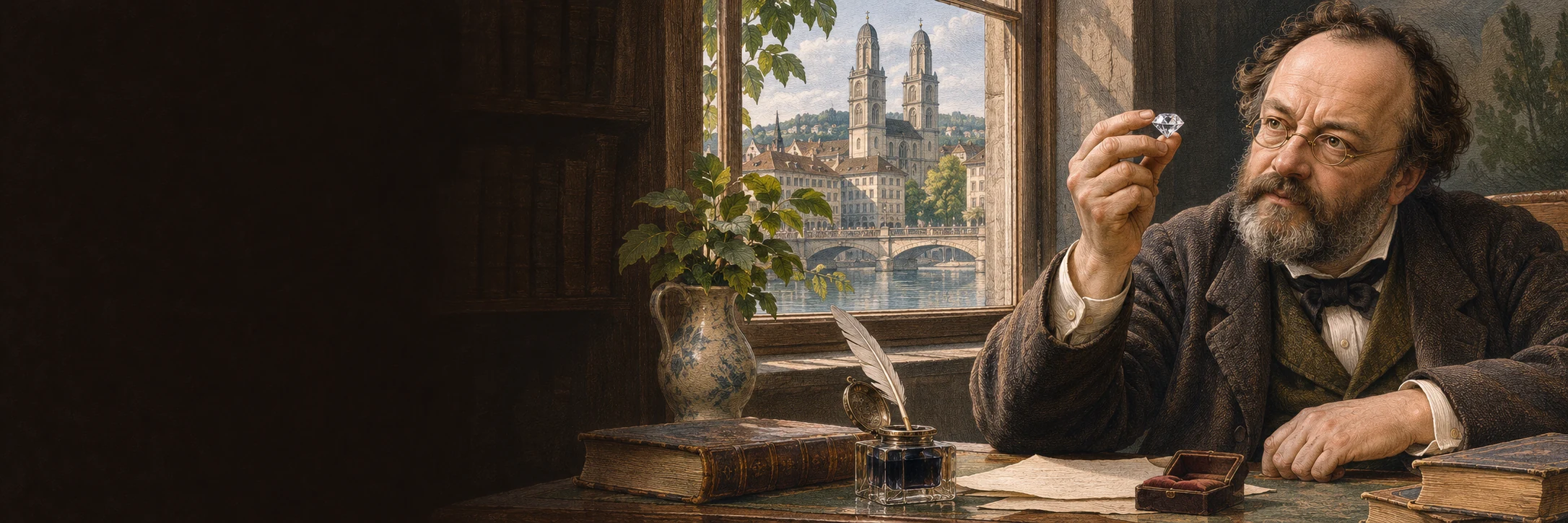
How, then, did the diamond come to be: a unity pervaded throughout, enduring, a purity unclouded, rich in rays, made firm by bonds invisible to us?
Gottfried Keller (1819–1890)
Das Eidgenossen-Volk · 1846 · p. 88
Our translation from the German edition.

This stone is also like to a fiery flame, for the fiery love of the Eternal Word has filled the whole world with love and wills that all loving spirits be burned up to nothingness in love.
 Cart