Phone: +43 677 628 66 628 |


Work in Focus
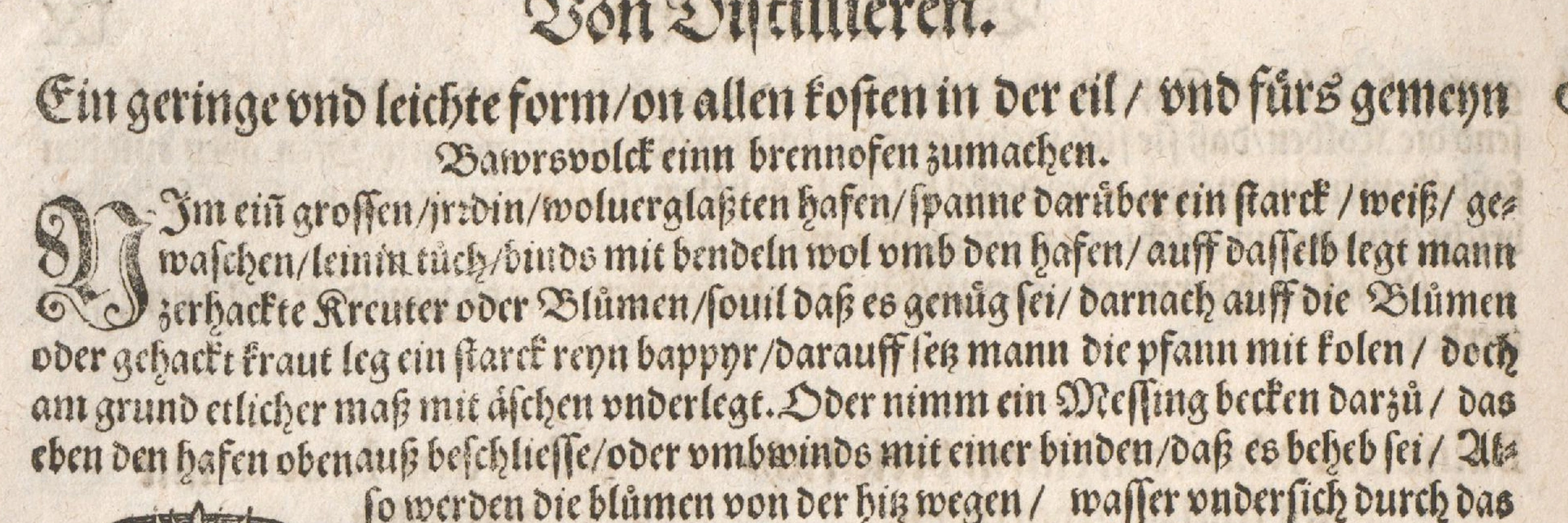
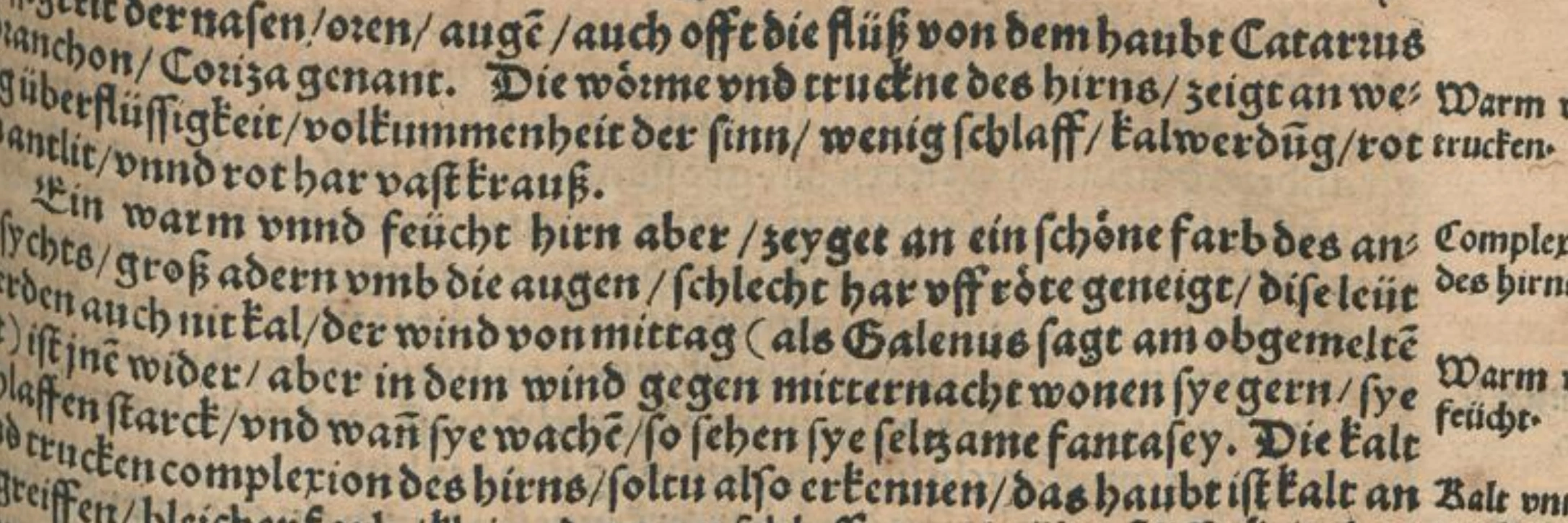
The herbal of 1536 associated with Eucharius Rösslin names not only herbs in its title, but also animals, stones and metals. This wide scope explains why such a book also matters to the history of minerals. Its declared concerns are the nature, attributed usefulness and uses of the substances discussed. A title as a guide to reading The listed groups show that a herbal of this kind should not be equated with a modern botanical identification guide. It introduces a collection in which different materials are considered through their uses. The book and mineral specimens in the illustration evoke this relationship. Edition and attribution The edition cited here was printed by Christian Egenolff in Frankfurt am Main in 1536. This article remains with that identifiable publication rather than adding uncertainly assigned biographical dates. Historical statements about a substance’s usefulness belong to their period. They replace neither modern mineral identification nor evidence for a medic…
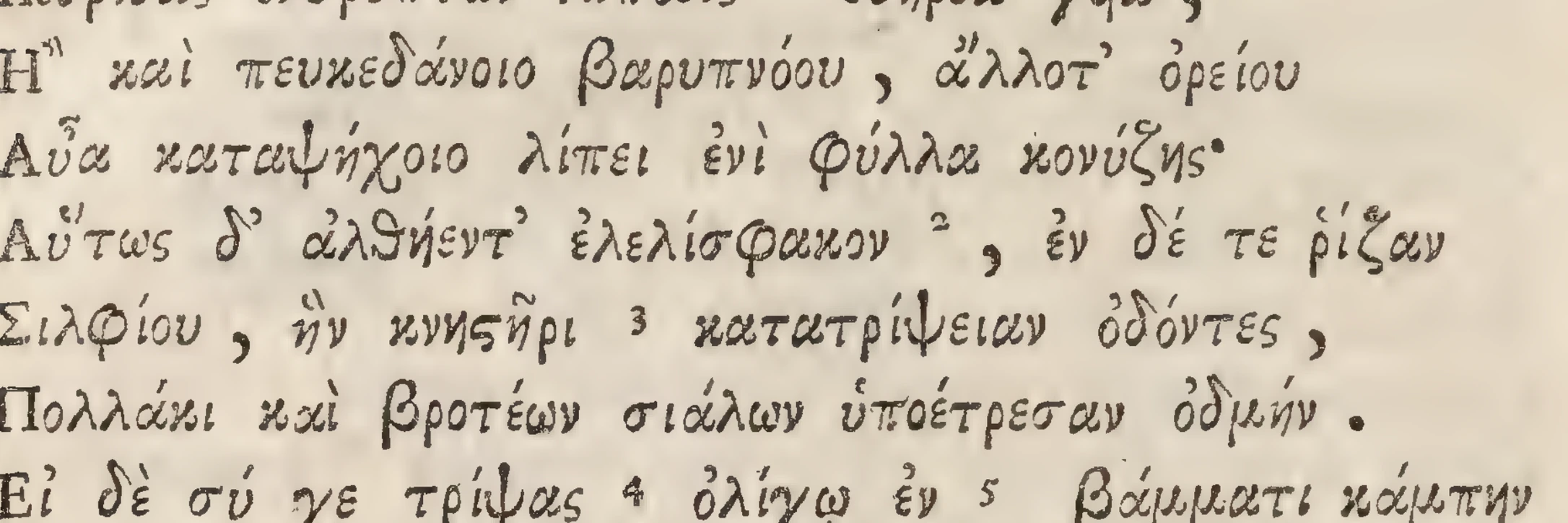
The edition used here presents Nicander of Colophon’s Theriaca and Alexipharmaca. These Greek didactic poems concern venomous animals, poisons and the remedies traditionally associated with them. Descriptive knowledge and poetic form belong together. The historical work should not be read as present-day guidance for treating poisoning. Knowledge in poetic form A didactic poem does not present its subject through a modern table or laboratory instruction. Names, descriptions and the sequence of verses shape a particular approach to its material. Readers must therefore consider both the subject and the language through which it is introduced. Several languages in one edition The Florentine printing of 1764 announces, alongside the Greek texts, a Latin verse translation by Jean de Gorris and an Italian version by Anton Maria Salvini. It provides evidence both of the ancient work and of its later learned transmission. The illustration evokes study through books and natural substances; it d…
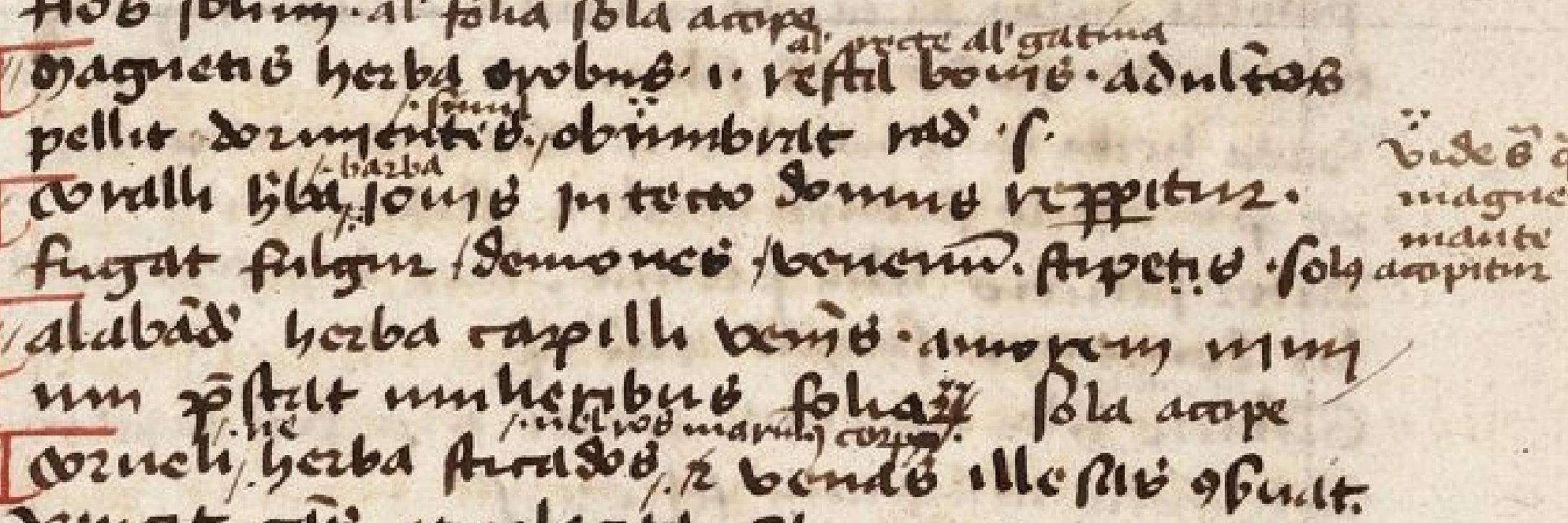
The designation Pseudo-Dioscorides is used here for a short Latin tract on plants assigned to particular stones. It occurs on folios 208r–210v of manuscript H 490 in Montpellier’s historical medical library. This attribution must be distinguished from the securely transmitted materia medica of the ancient Dioscorides. Classification through association The manuscript places plant and stone names alongside one another. Its interest extends beyond describing a single substance to establishing a relationship between different parts of nature. That pairing makes the text significant for the history of associations between plants and stones. Preserving the context of transmission The short tract forms part of a larger medical and alchemical miscellany. The linked scan preserves that setting, while the page reference leads to the beginning of the relevant section. The open book and varied stones evoke its subject matter. The illustration does not supply uncertainly deciphered pairings or tu…
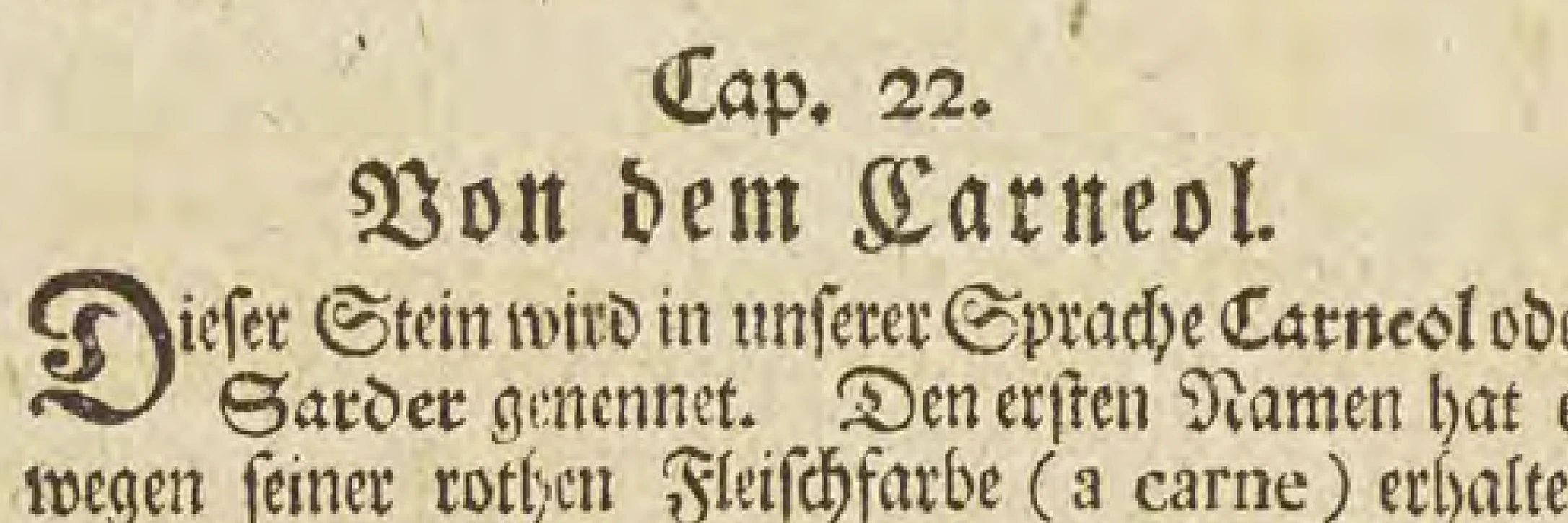
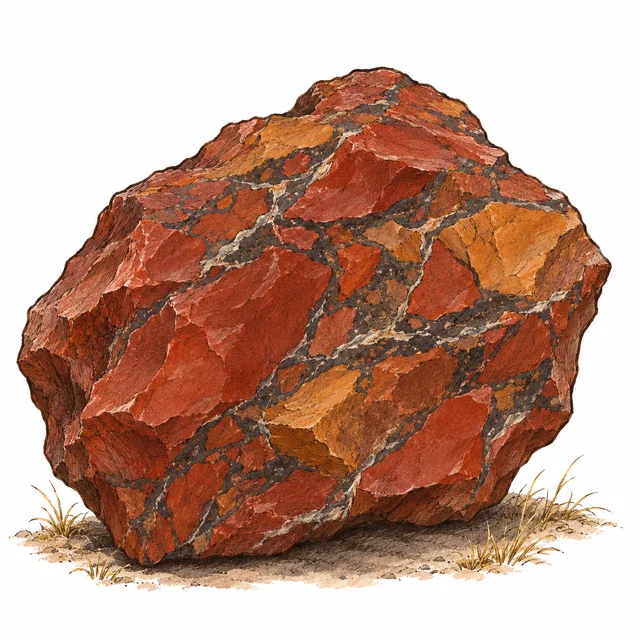
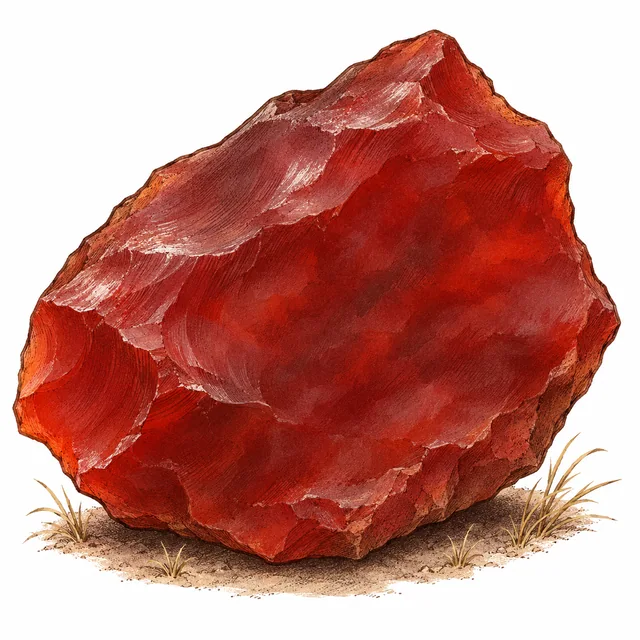
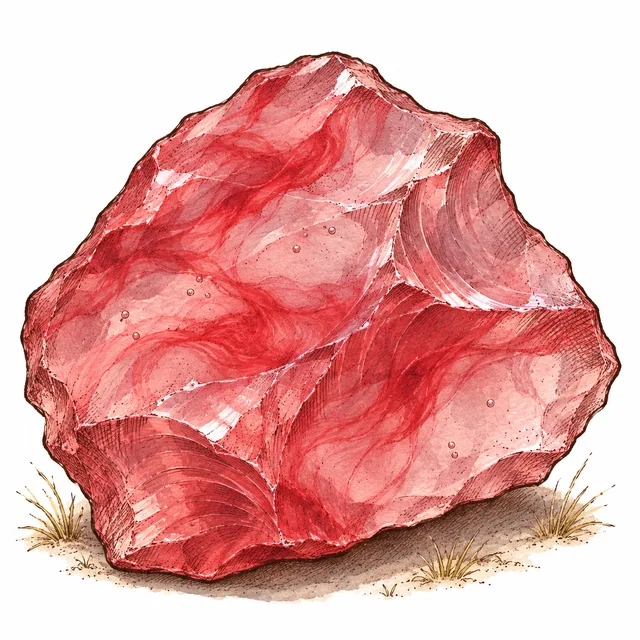
Urban Friedrich Benedikt Brückmann devotes a chapter of his Abhandlung von Edelsteinen of 1757 to carnelian. He begins with the names Carneol and Sarder and considers their origins before discussing colour, translucency and forms of appearance. The account moves from a name to the specimen under examination. Differences within a group The general description is followed by distinctions between several colour varieties. Reddish, paler, brown and patterned pieces are compared within the same discussion. Understanding the chapter therefore involves a range of visible forms, not just one particularly attractive specimen. Making an historical classification visible Brückmann’s terms belong to eighteenth-century natural knowledge and do not correspond in every detail to a modern classification. His approach nevertheless remains intelligible: look closely, place similar specimens together and name their differences. The collection on the table illustrates this comparative work. It does not r…
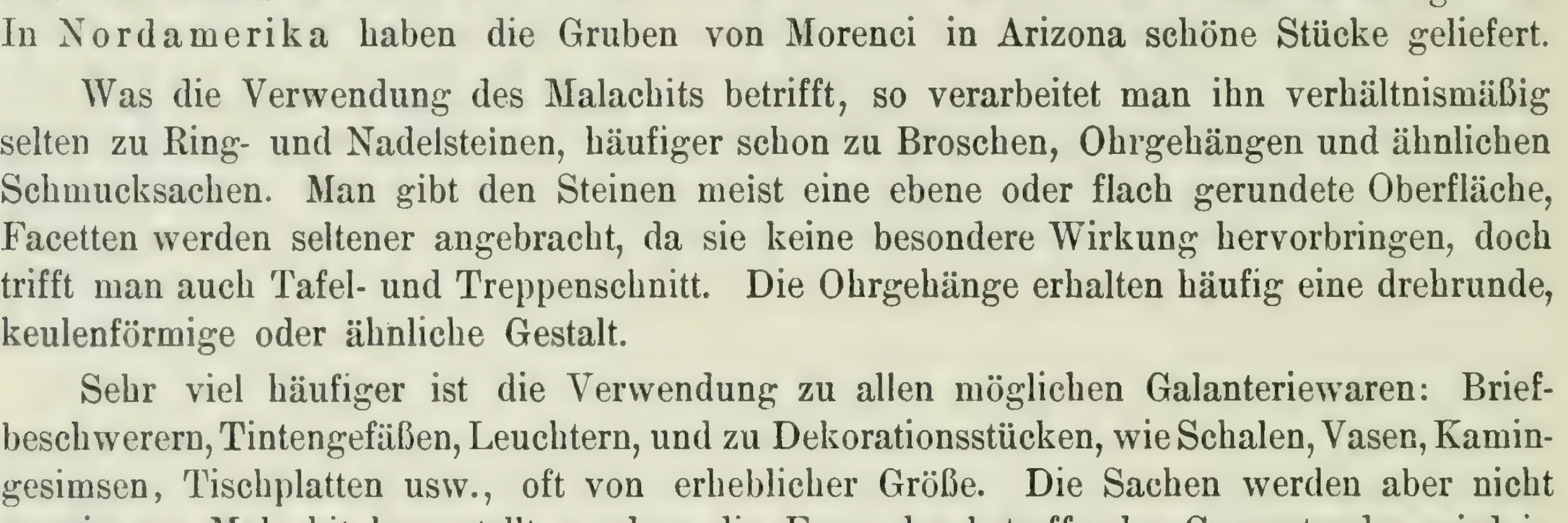
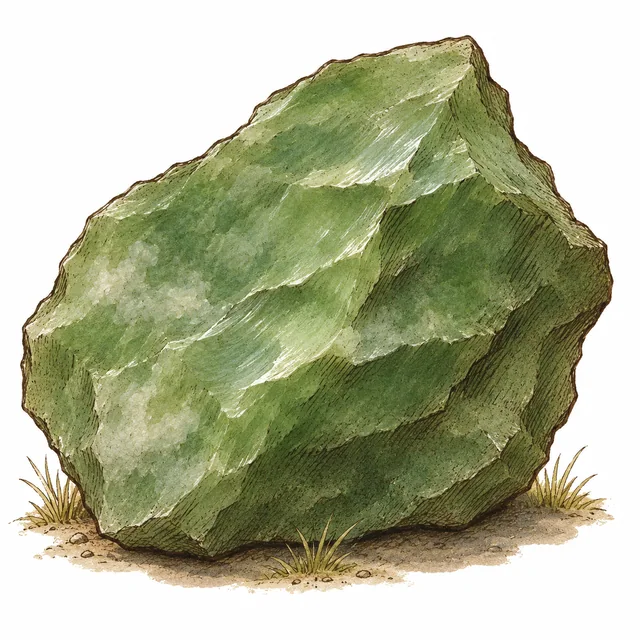
In his Edelsteinkunde of 1909, Max Bauer treats malachite as more than a green mineral specimen. On page 648 he also discusses its use in jewellery, bowls, vases, tabletops and other decorative objects. Identifying the material is connected with the practical question of how craftsmanship can reveal its appearance. Pattern rather than facets Bauer explains that malachite often receives a flat or gently rounded surface. For larger objects he describes covering a supporting material with thin malachite plates. The craftsman’s difficulty is to arrange them so that joints are inconspicuous and the pattern appears continuous. Recognition also involves distinction In the same discussion Bauer considers confusion with other materials and imitation. Characteristic appearance matters, but does not replace every form of material examination. The raw and polished specimens in the image reflect this comparison: an appropriate surface reveals the pattern that can then be used in designing an objec…
 Search

And this our life exempt from public haunt Finds tongues in trees, books in the running brooks, Sermons in stones and good in every thing.

And so the diamond would have the loveliest of all these little souls, the cut diamond even one shaped and ennobled by education; loveliest of all if it is the diamond on the finger of a woman who has a still higher and lovelier soul in the head above it.
Gustav Theodor Fechner (1801–1887)
 Die Tagesansicht gegenüber der Nachtansicht · p. 87
Our translation
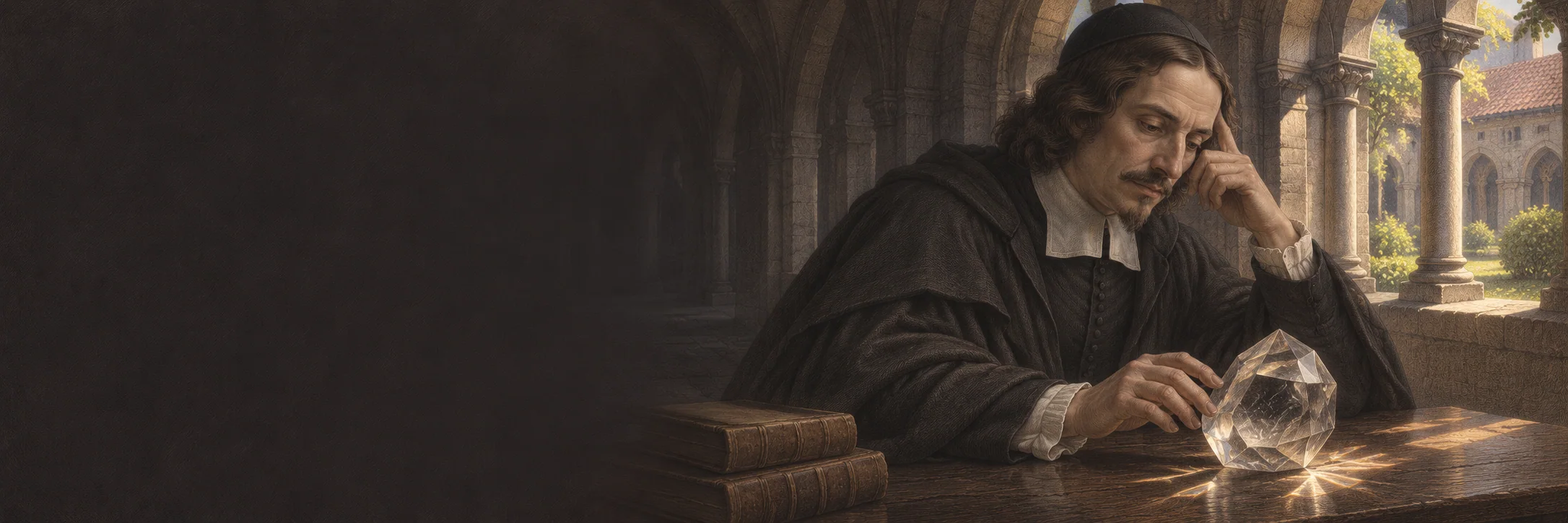
The soul is a crystal, the Godhead is its light: The body in which you live is the shrine of both.
Angelus Silesius (1624–1677)
Des Angelus Silesius Cherubinischer Wandersmann · p. 75
Our translation

My soul now resembles a crystal That no false ray of light has yet struck; […]
[…] I am earth and air in one; part of that blue heaven which you love, and long for, is already in me […]

[…] the curse of all the heart-aches and blasted hopes had made its every stone thirsty and hungry […]
Rabindranath Tagore (1861–1941)
The Hungry Stones and Other Stories · p. 23–24
Historical English translation, 1916 · excerpt
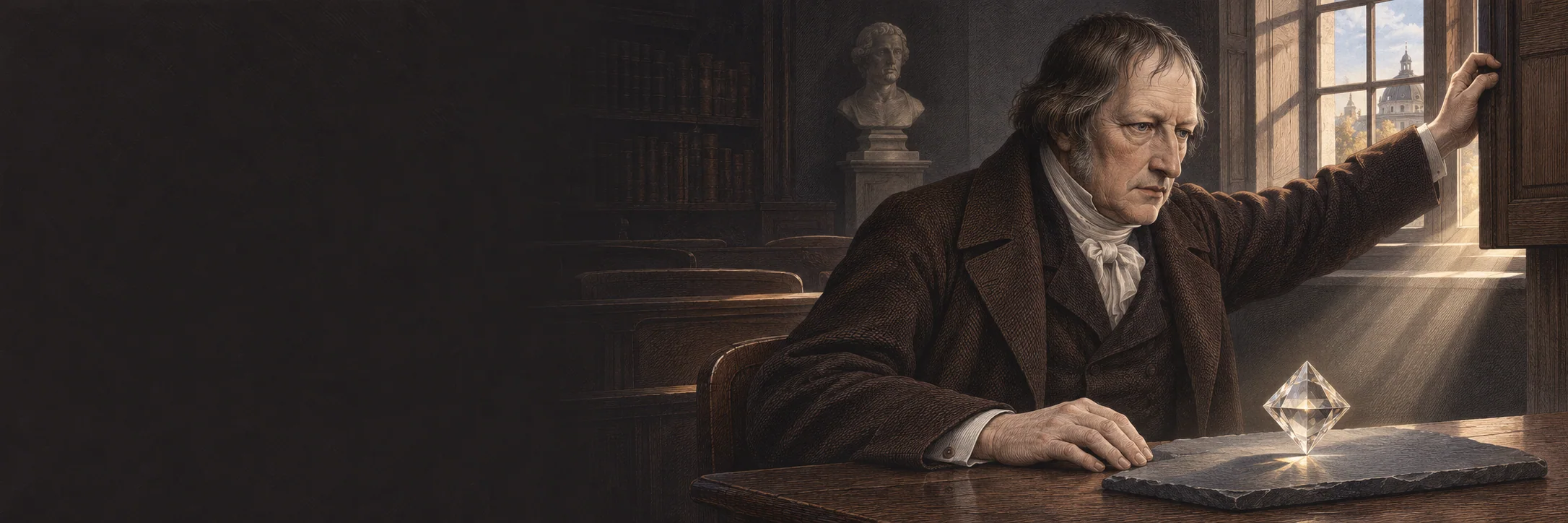
The primordial crystal is the diamond of the earth, in which every eye delights, recognising it as the first-born son of light and gravity.
Georg Wilhelm Friedrich Hegel (1770–1831)
Vorlesungen über die Naturphilosophie · p. 280
Our translation

I walked on, waking the living, warm breaths; and the jewels looked, and wings rose without a sound.
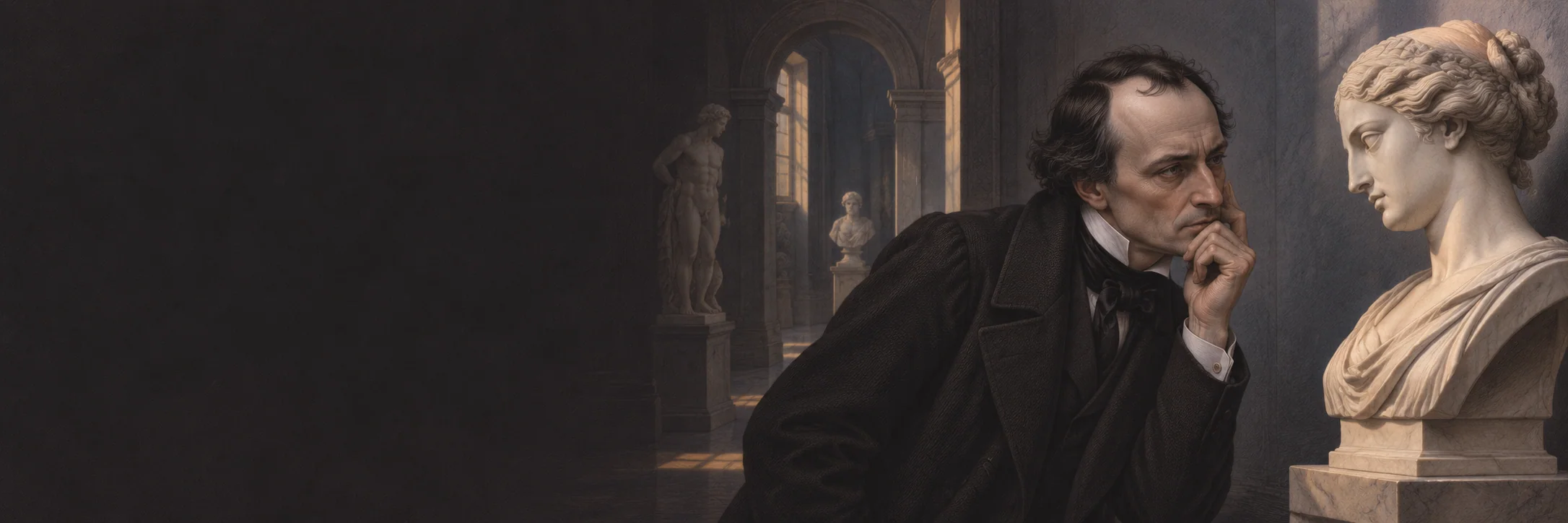
I am beautiful, mortals, like a dream of stone, And my breast, on which each in turn has bruised himself, Is made to inspire in the poet a love As eternal and mute as matter.

The secret strength of things Which governs thought, and to the infinite dome Of heaven is as a law, inhabits thee!
Percy Bysshe Shelley (1792–1822)
The Poetical Works of Percy Bysshe Shelley, III · p. 33
Original wording
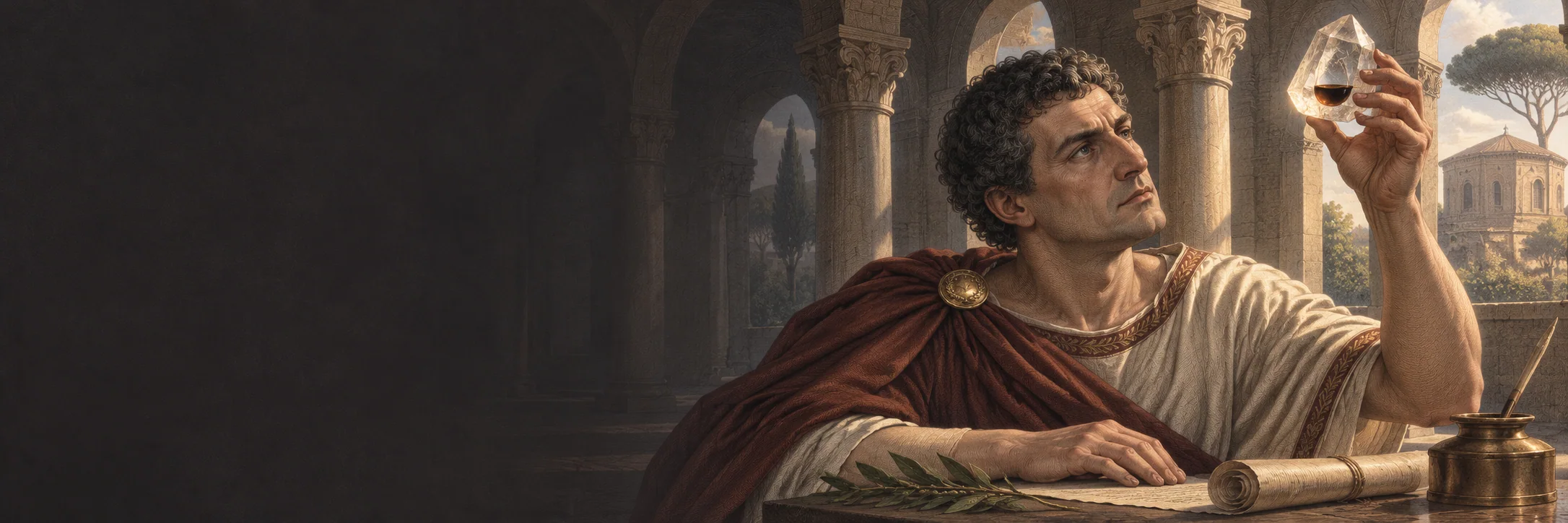
Marvellous stone and marvellous water! With good reason it surpasses rivers and stones, for it flows and is a stone.

For he is said to have owned an agate in which the nine Muses and Apollo playing the lyre could be seen, not by art but because the markings naturally distinguished themselves so well that even the individual Muses had their own attributes.
Pliny the Elder (23/24–79)
C. Plini Secundi Naturalis historiae libri XXXVII, V · p. 382
Our translation