Friedrich Hebbel (1813–1863) was a German poet and dramatist from Wesselburen in Dithmarschen. In November 1842, shortly after arriving in Copenhagen, he records a question that seems at first to have little to do with his journey. He has been describing the crossing, his stay at a hotel and the difficulty of finding private lodgings. Once he has moved in, his thoughts turn to the people he has left behind in Hamburg. From the painful intensity with which he remembers them, a short paragraph takes him all the way to earth and stone.
What remains when the embers die?
Hebbel asks three questions in succession. The first begins with his own capacity to experience pain and pleasure. Three expressions trace the way in which it might be spent. Burning suggests the flame itself. When the embers die down, we can picture the ashes cooling. The third expression, a consuming or wasting away, invites us to think about what the fire has been feeding on. What would be left to see if a living creature had spent its entire capacity for feeling?
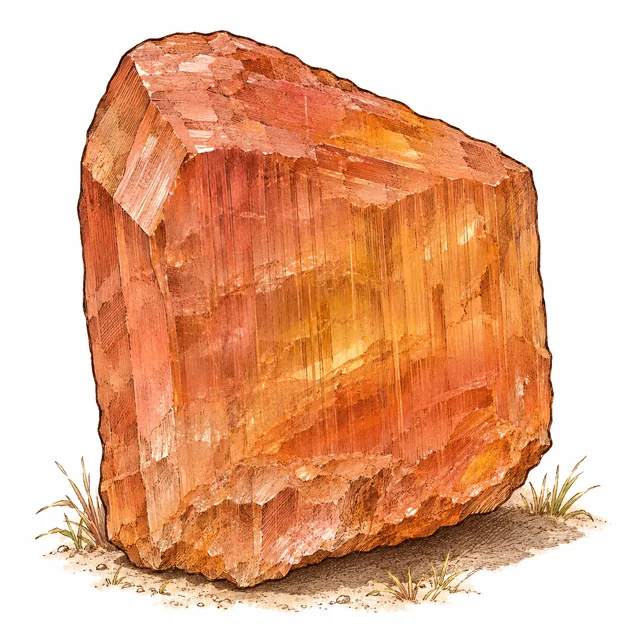
Could life be merely a burning, a dying down of the embers, a gradual consuming of our capacity for pain and pleasure? Has everything that surrounds us as an element at rest, as earth and stone, already been alive? Shall we too become earth and stone, and will history be over when everything rests and falls silent?
– Friedrich Hebbel, Friedrich Hebbels Tagebücher, 1885, p. 295.[1]
The silence that might follow a history
The stillness of a stone now takes on a past. Something in which we can detect no stir of feeling today might once have had a history of its own. In his last question Hebbel reverses the direction of the thought. Having imagined that a stone might once have been alive, we are asked to picture ourselves becoming earth and stone. His closing verb, “falls silent”, still holds the memory of a voice. Silence strikes us most forcibly where somebody was once to be heard. Hebbel leaves his questions standing. On the same printed page, a letter from Copenhagen begins.

 Phone: +43 677 628 66 628 |



 Search
 Epistolae · o. J. · p. 353











 Cart