Thoughts on crystals

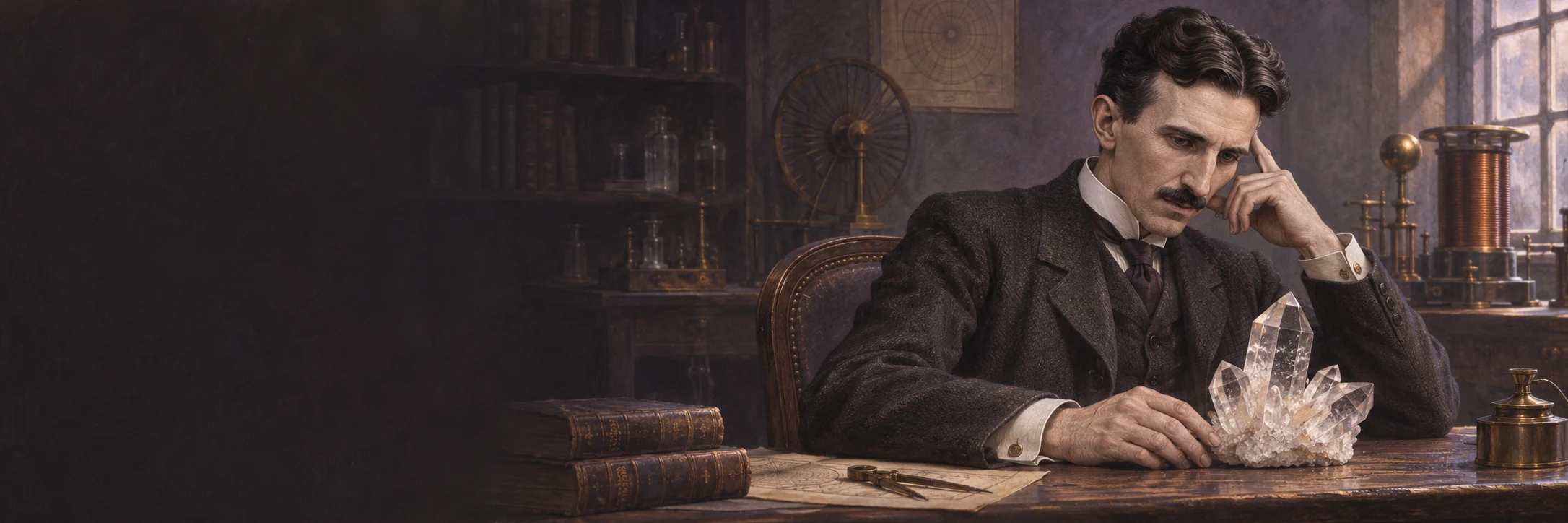
Nikola Tesla

In a crystal we have the clear evidence of the existence of a formative life-principle, and though we cannot understand the life of a crystal, it is none the less a living being.

Nikola Tesla (1856–1943)

PDFThe Problem of Increasing Human Energy · 1900 · p. 180

Excerpt; English original

Original text

There seems to be no philosophical necessity for food. We can conceive of organized beings living without nourishment, and deriving all the energy they need for the performance of their life-functions from the ambient medium. In a crystal we have the clear evidence of the existence of a formative life-principle, and though we cannot understand the life of a crystal, it is none the less a living being. There may be, besides crystals, other such individualized, material systems of beings, perhaps of gaseous constitution, or composed of substance still more tenuous. In view of this possibility,—nay, probability,—we cannot apodictically deny the existence of organized beings on a planet merely because the conditions on the same are unsuitable for the existence of life as we conceive it. We cannot even, with positive assurance, assert that some of them might not be present here, in this our world, in the very midst of us, for their constitution and life-manifestation may be such that we are unable to perceive them.

Read more

Select a slide

Observation and understanding

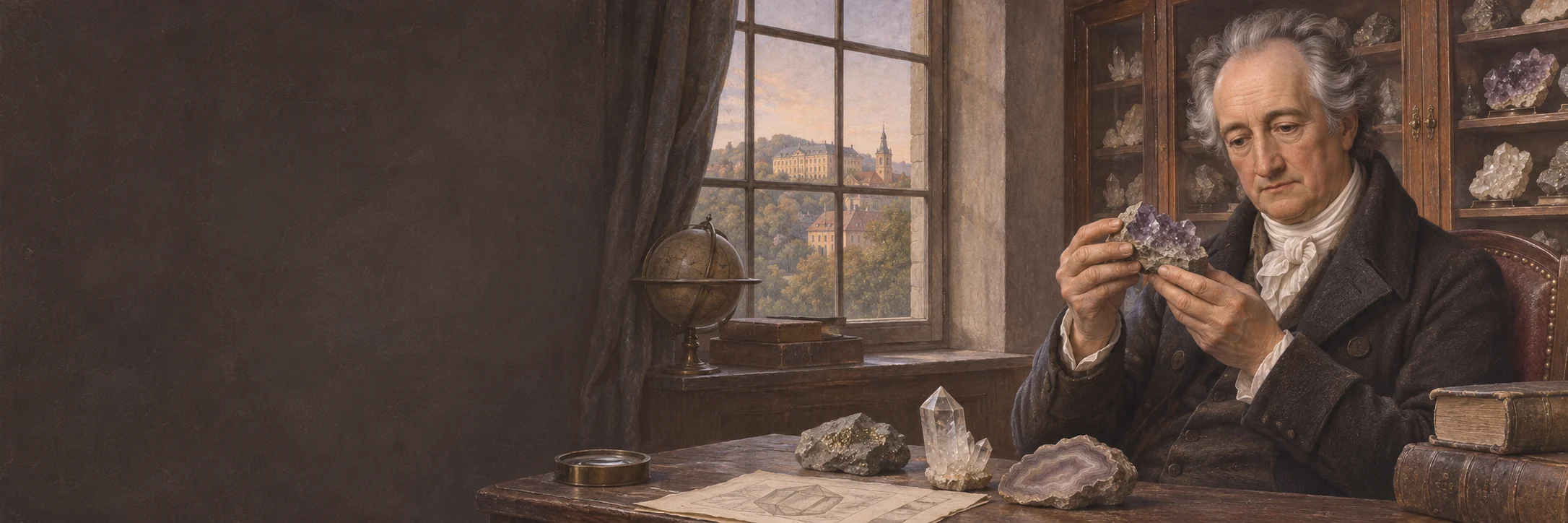
Johann Wolfgang von Goethe

Stones are silent teachers; they make the observer silent, and the best that one learns from them cannot be communicated.

Johann Wolfgang von Goethe (1749–1832)

PDFWilhelm Meisters Wanderjahre – Band 3 · 1829 · p. 267

our translation from German

Original text

Steine sind stumme Lehrer, sie machen den Beobachter stumm, und das Beste was man von ihnen lernt ist nicht mitzutheilen.

Read more

Select a slide

The form of crystals

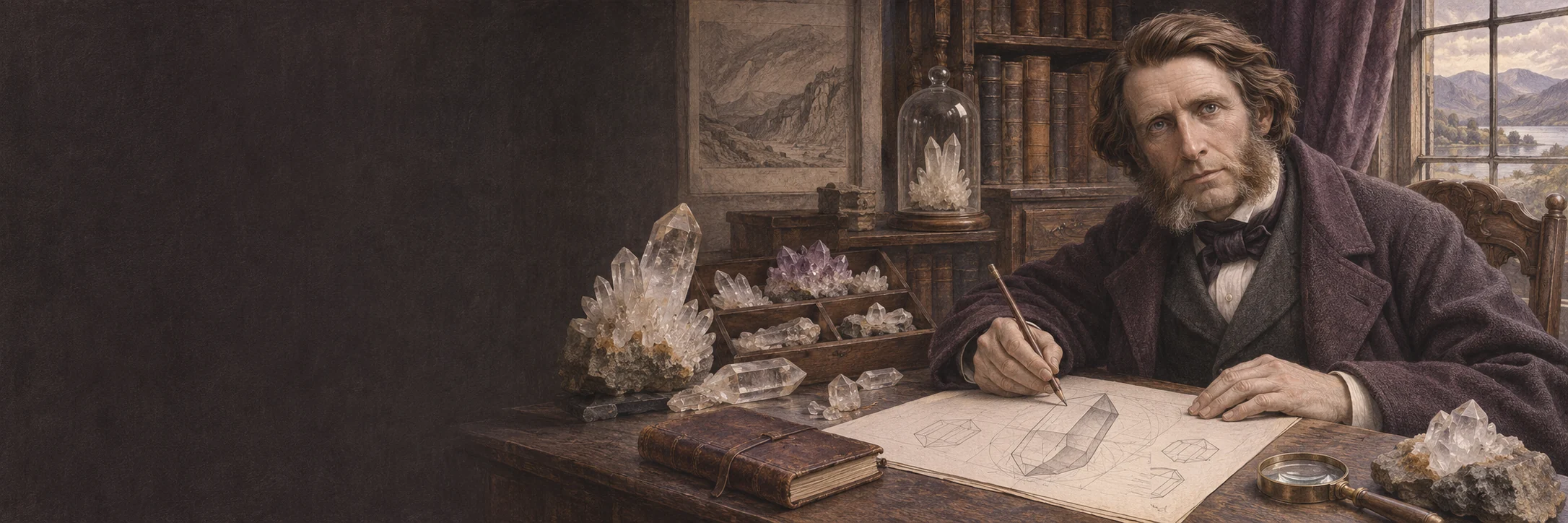
John Ruskin

[…] crystals have a limited, though a stern, code of morals; and their essential virtues are but two;—the first is to be pure, and the second to be well shaped.

John Ruskin (1819–1900)

PDFThe Ethics of the Dust · 1866 · pp. 82–83

Excerpt; English original

Original text

I can tell you, you shall hear of the highest crystalline merits that I can think of, to-day: and I wish there were more of them; but crystals have a limited, though a stern, code of morals; and their essential virtues are but two;—the first is to be pure, and the second to be well shaped.

Read more

Select a slide

Nature in miniature

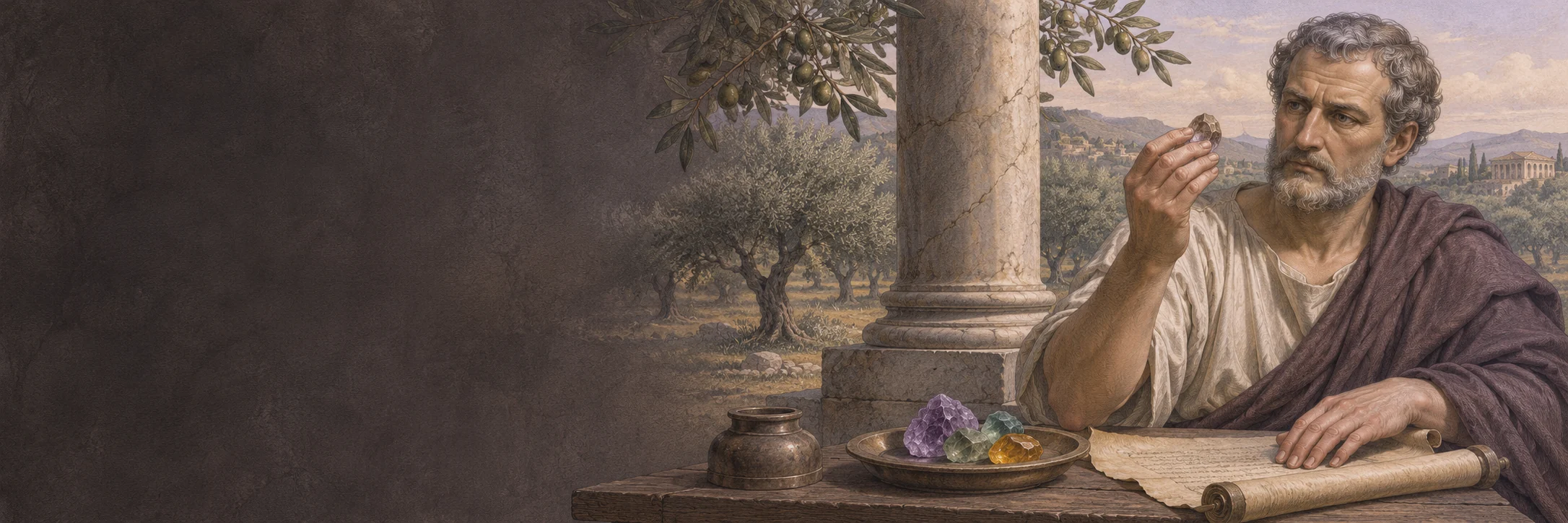
Pliny the Elder

[…] there remain the gemstones and the majesty of nature gathered into a narrow space […]

Pliny the Elder (c. 23–79)

PDFNaturalis historia · 1897 · p. 381

Excerpt; our translation from Latin

Original text

Ut nihil instituto operi desit, gemmae supersunt et in artum coacta rerum naturae maiestas, multis nulla parte mirabilior. tantum tribuunt varietati, coloribus, materiae, decori, violare etiam signis, quae causa gemmarum est, quasdam nefas ducentes, aliquas extra pretia ulla taxationemque humanarum opum arbitrantes, ut plerisque ad summam absolutamque naturae rerum contemplationem satis sit una aliqua gemma.

Read more

Select a slide

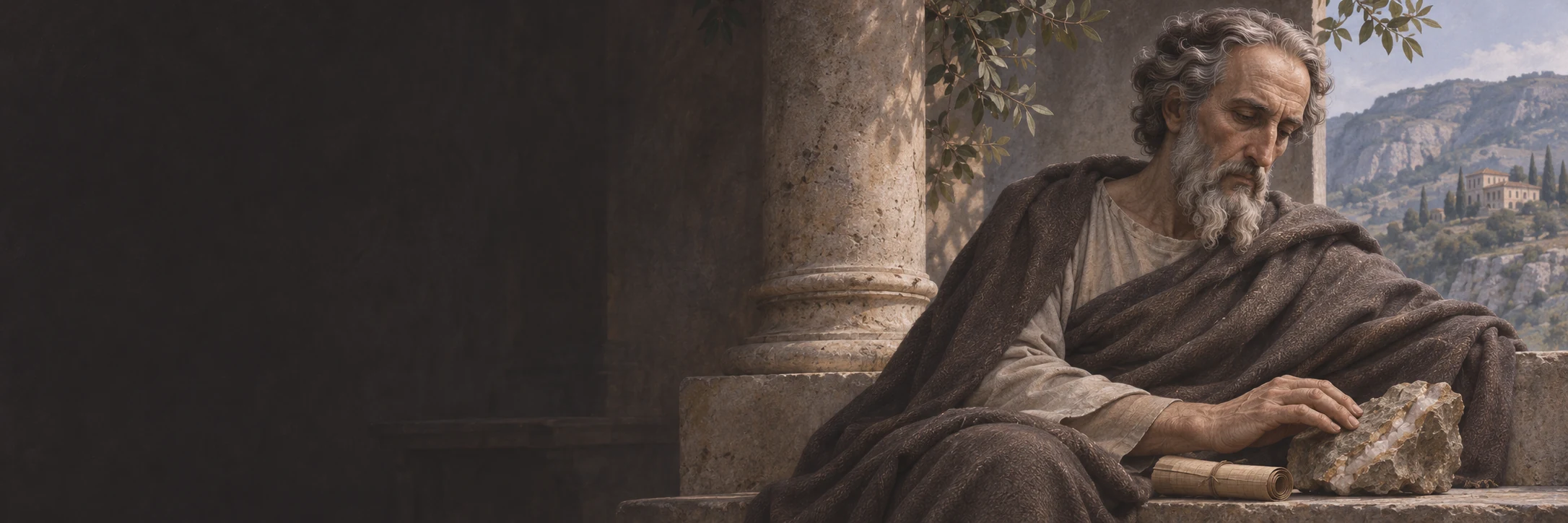
The elements within stone

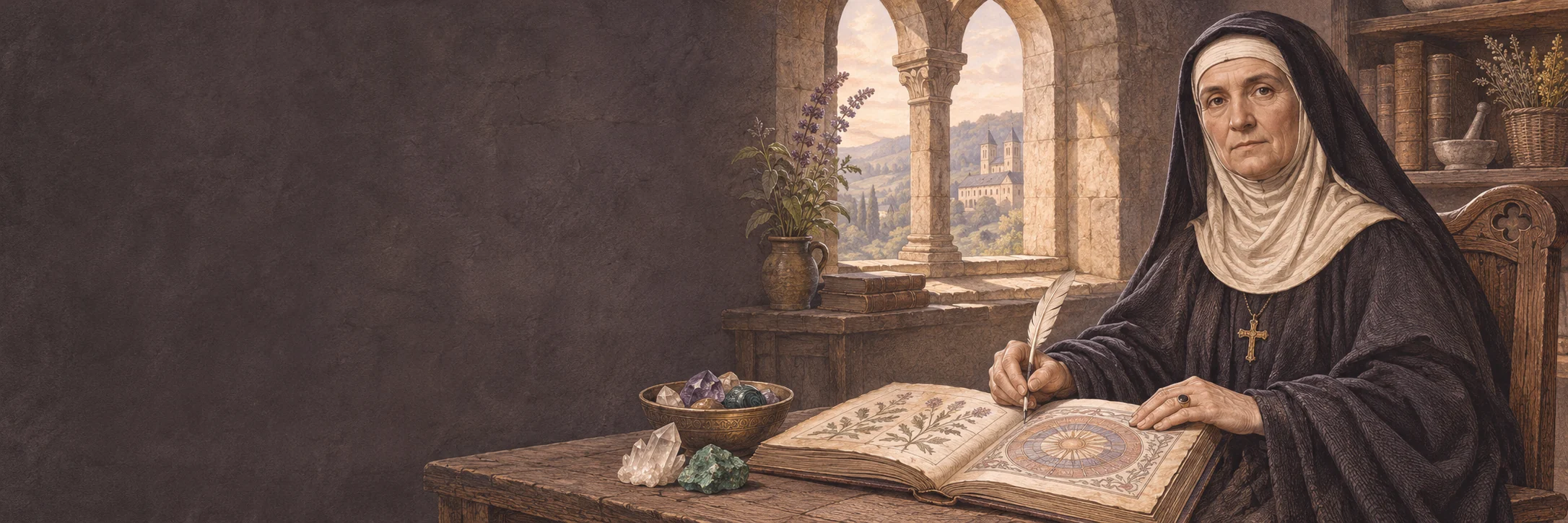
Hildegard of Bingen

Every stone contains fire and moisture.

Hildegard of Bingen (1098–1179)

PDFPhysica · 1882 · col. 1247

our translation from Latin

Original text

Omnis lapis ignem et humiditatem in se habet.

Read more

Select a slide

The language of nature

Novalis

Whether anyone has ever understood the stones and the stars, I do not know; but certainly that person must have been an exalted being.

Novalis (1772–1801)

PDFDie Lehrlinge zu Sais · 1802 · p. 222

our translation from German

Original text

Ob jemand die Steine und Gestirne schon verstand, weiß ich nicht, aber gewiß muß dieser ein erhabnes Wesen gewesen seyn.

Read more

Select a slide

A mirror within the crystal

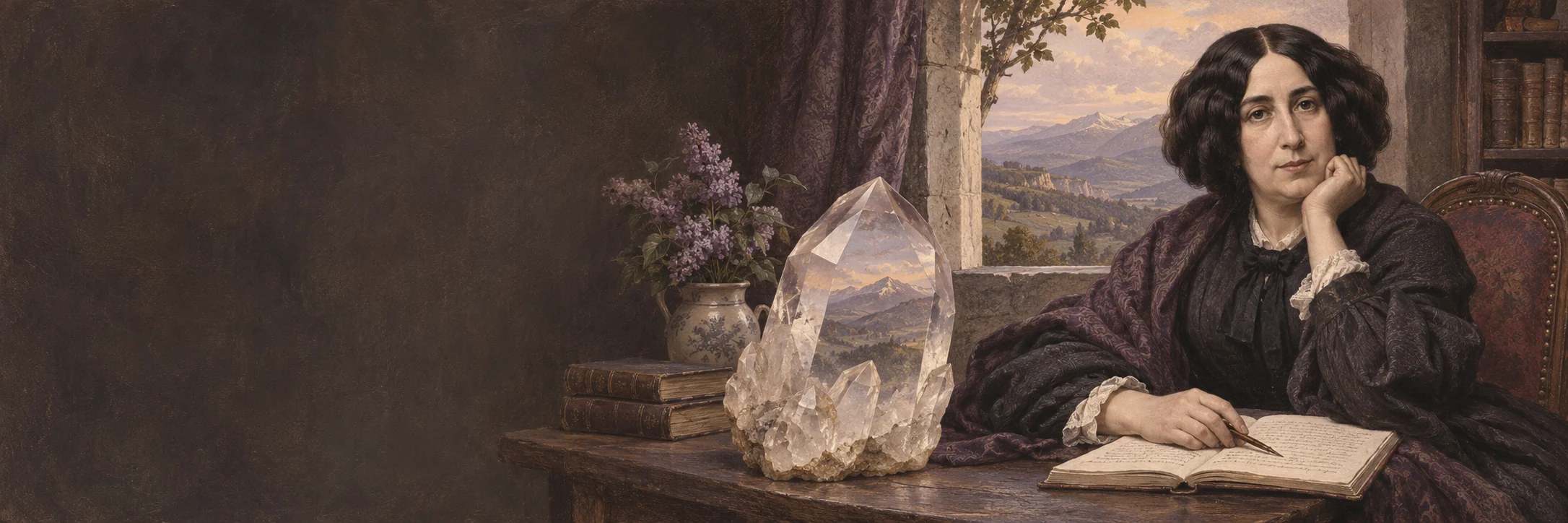
George Sand

The crystal […] is a mysterious mirror which, at a certain moment, received the imprint and reflected the image of a great spectacle.

George Sand (1804–1876)

PDFLaura – Voyage dans le cristal · 1866 · p. 90

Excerpt; our translation from French

Original text

Le cristal, vois-tu, et par cristal j’entends toute substance minéralogique bien et dûment cristallisée, n’est pas ce que pense le vulgaire; c’est un miroir mystérieux qui, à un moment donné, a reçu l’empreinte et reflété l’image d’un grand spectacle.

Read more

Select a slide

Philosophy of nature

Georg Wilhelm Friedrich Hegel

The form that unfolds in crystallisation is a silent life […]

Georg Wilhelm Friedrich Hegel (1770–1831)

PDFPhilosophy of Nature · 1842 · § 310, p. 243

Excerpt; our translation from German

Original text

Die Form, die sich in der Krystallisation aufschließt, ist ein stummes Leben, das wunderbarer Weise im bloß mechanischen, von Außen bestimmbar scheinenden Steine oder Metall sich regt, und in eigenthümlichen Gestalten als ein organischer und organisirender Trieb sich äußert.

Read more

Select a slide

Philosophy of nature

Plotinus

In the growth and formation of stones […] we must surely assume that an ensouled formative principle brings them forth from within and shapes them according to their kind […]

Plotinus (c. 204/205–270)

PDFEnneads · VI, 7, 11 · 1880 · p. 378

Excerpt; our translation of Hermann Friedrich Müller’s German version

Original text

Von dem Wachsthum und den Bildungen der Steine und von den innern Umgestaltungen der aufsteigenden Berge muss man jedenfalls doch wohl annehmen, dass ein beseelter Begriff sie drinnen entstehen lasse und nach ihrer Art gestalte und dass dies die schöpferische Form der Erde sei, ähnlich wie die sogenannte Natur in den Bäumen; dass ferner die sogenannte Erde dem Holz des Baumes analog sei und dass der abgehauene Stein sich so verhalte, wie wenn etwas vom Baume abgeschlagen wird, während er, wenn ihm dies nicht widerfährt und er noch mit dem Ganzen zusammenhängt, zu betrachten ist wie ein nicht abgehauener Zweig am lebendigen Baume.

Read more

Select a slide

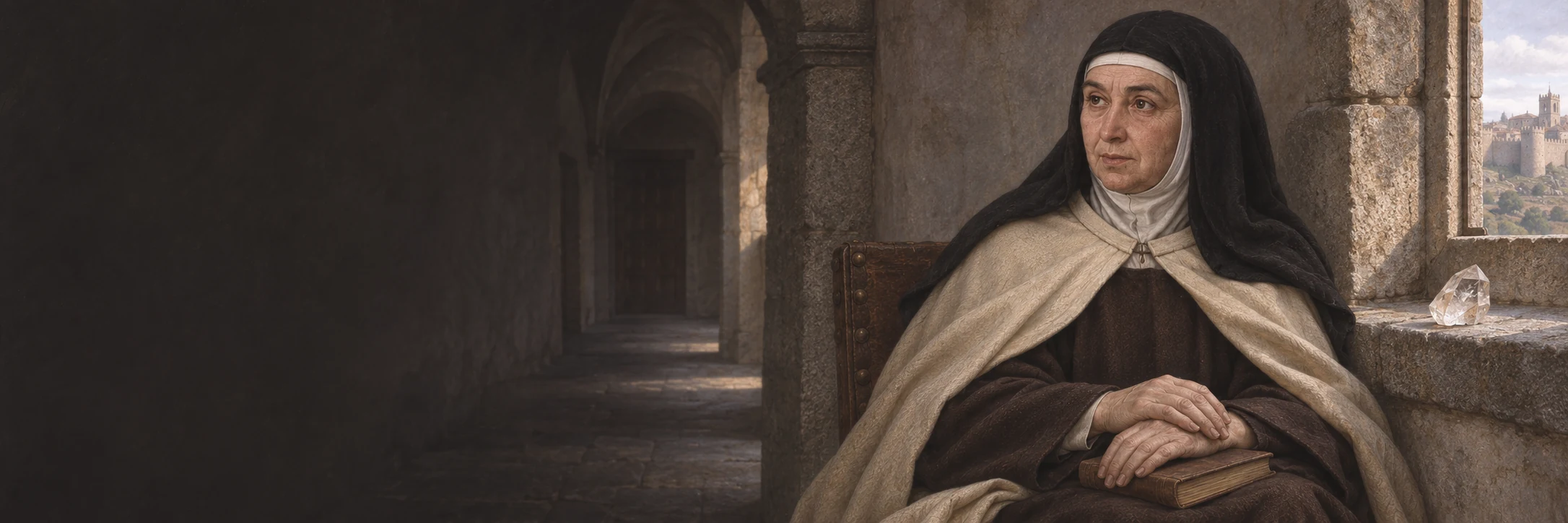
Mysticism

Teresa of Ávila

[…] to consider our soul as a castle made entirely of a single diamond or very clear crystal, in which there are many chambers, just as there are many dwellings in heaven.

Teresa of Ávila (1515–1582)

PDFThe Interior Castle · First Mansions I · 1861 · p. 435

Excerpt; our translation from Spanish.

Original text

Estando hoy suplicando á nuestro Señor hablase por mí, porque yo no atinaba cosa qué decir, ni cómo comenzar á cumplir esta obediencia, se me ofreció lo que ahora diré, para comenzar con algún fundamento; que es, considerar nuestra alma, como un castillo todo de un diamante, u muy claro cristal, á donde hay muchos aposentos; ansí como en el cielo hay muchas moradas. Que si bien lo consideramos, hermanas, no es otra cosa el alma del justo, sino un paraíso, á donde dice El tiene sus deleites. ¿Pues qué tal os parece que será el aposento á donde un rey tan poderoso, tan sabio, tan limpio, tan lleno de todos los bienes se deleita? No hallo yo cosa con qué comparar la gran hermosura de un alma y la gran capacidad.

Read more

Select a slide

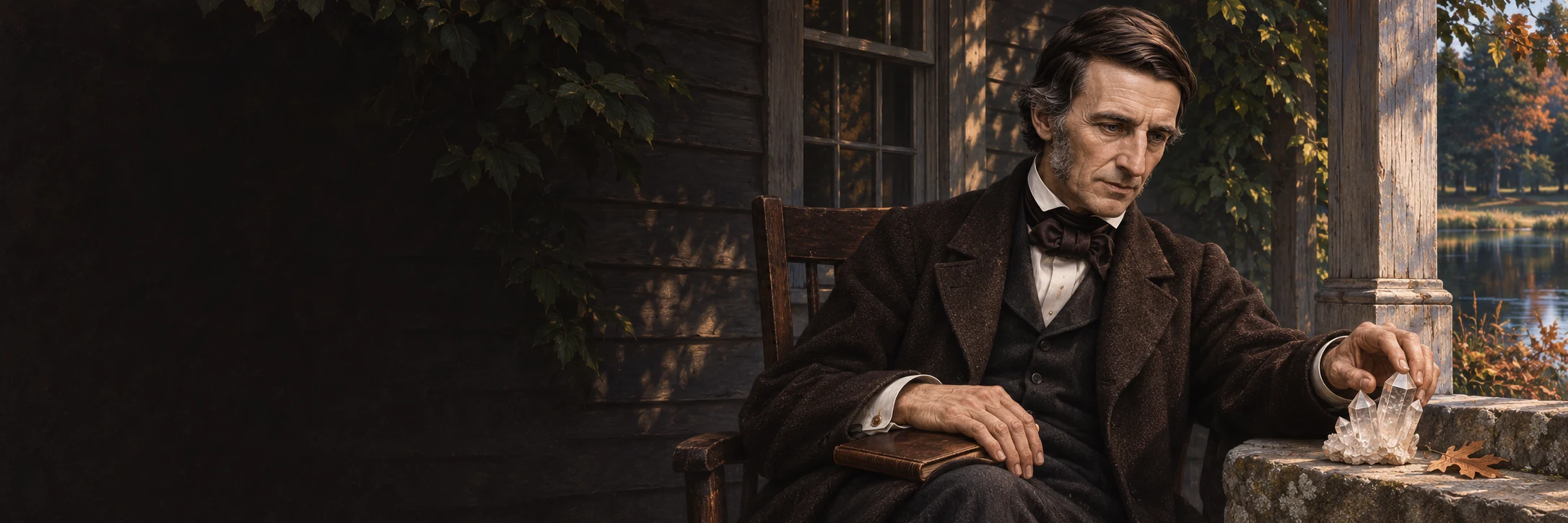
Unity of nature

Ralph Waldo Emerson

Every particular in nature, a leaf, a drop, a crystal, a moment of time is related to the whole, and partakes of the perfection of the whole.

Ralph Waldo Emerson (1803–1882)

PDFNature · Discipline · 1836 · pp. 54–55

Excerpt from the English original, 1836.

Original text

Herein is especially apprehended the Unity of Nature, — the Unity in Variety, — which meets us everywhere. All the endless variety of things make a unique, an identical impression. Xenophanes complained in his old age, that, look where he would, all things hastened back to Unity. He was weary of seeing the same entity in the tedious variety of forms. The fable of Proteus has a cordial truth. Every particular in nature, a leaf, a drop, a crystal, a moment of time is related to the whole, and partakes of the perfection of the whole. Each particle is a microcosm, and faithfully renders the likeness of the world.

Read more

Select a slide

further articles

Pure: amethyst - bracelet with extension (17 - 21 cm)
Pure
article no. N887-0000
Spirit Line: Stability - bracelet with extension (17 - 21 cm)
Stability
article no. N987-0000
Spirit Line: Chakra bracelet with extension chain (17 - 21 cm)
Chakren
article no. N1887-0000
Pure: schorl / black turmaline - bracelet with extension (17 - ...
Pure
article no. N1400-0000